Introduction
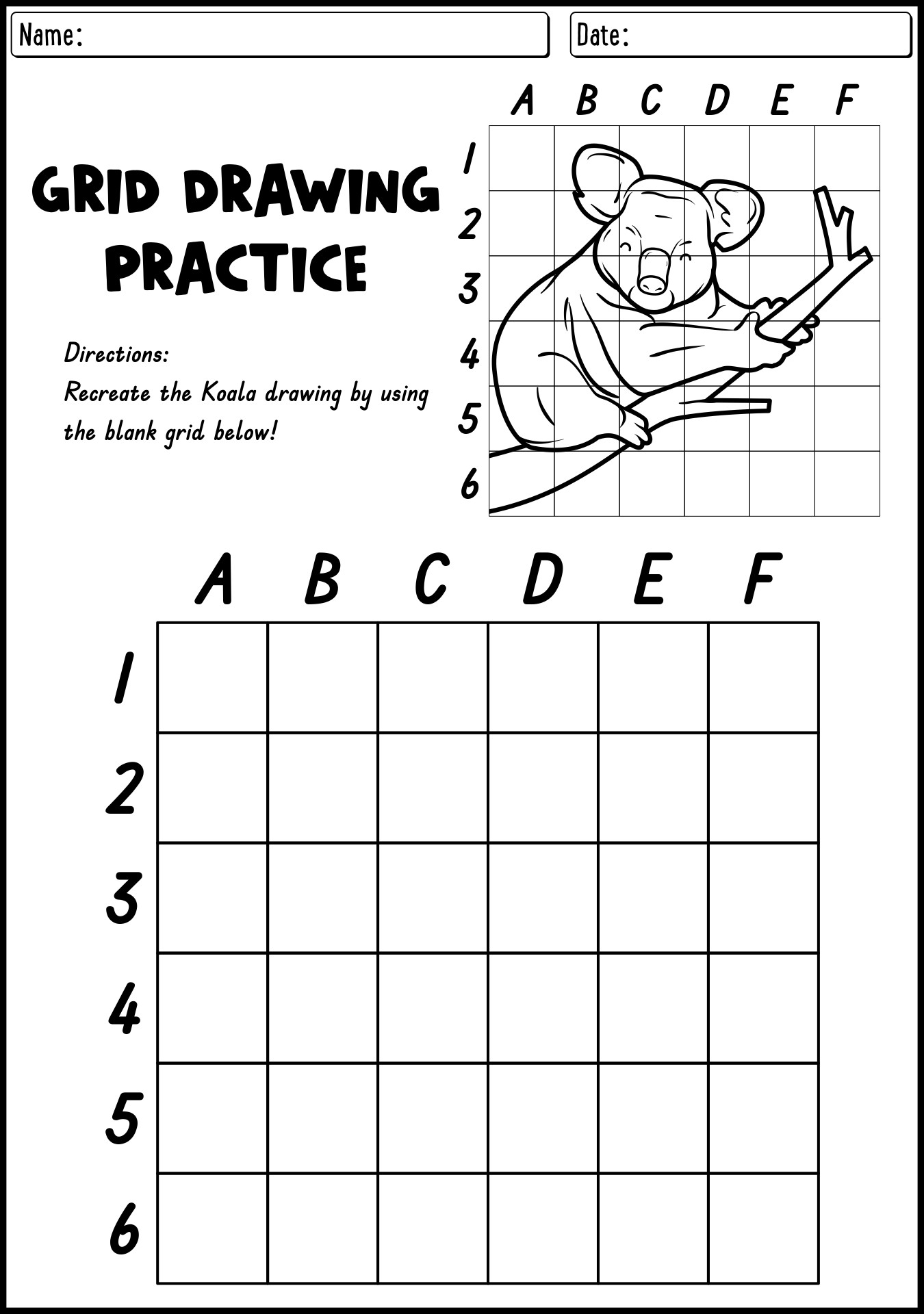
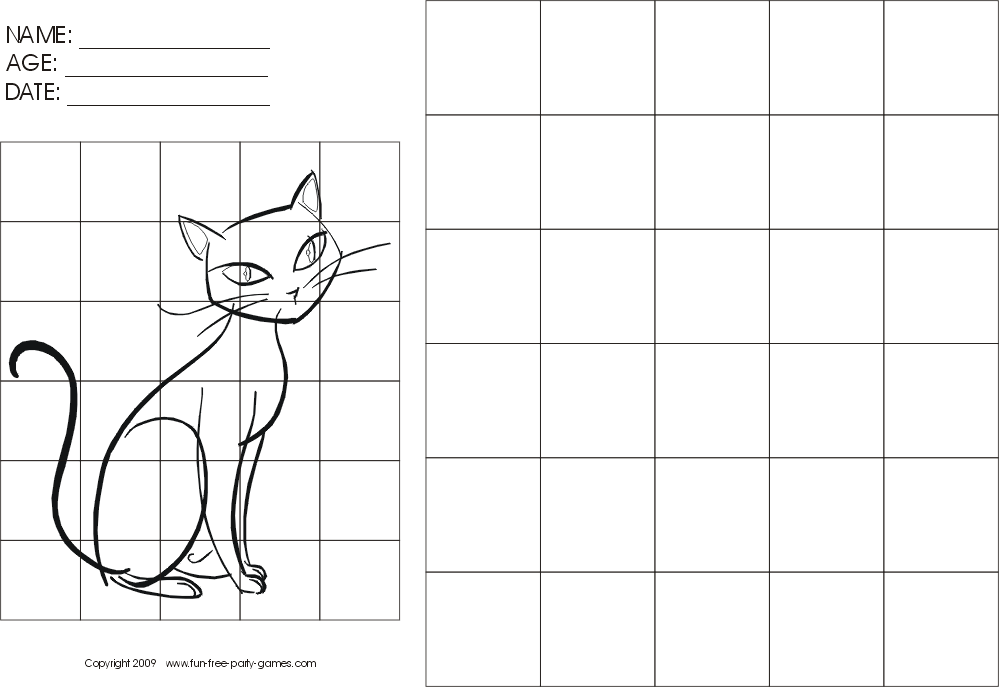
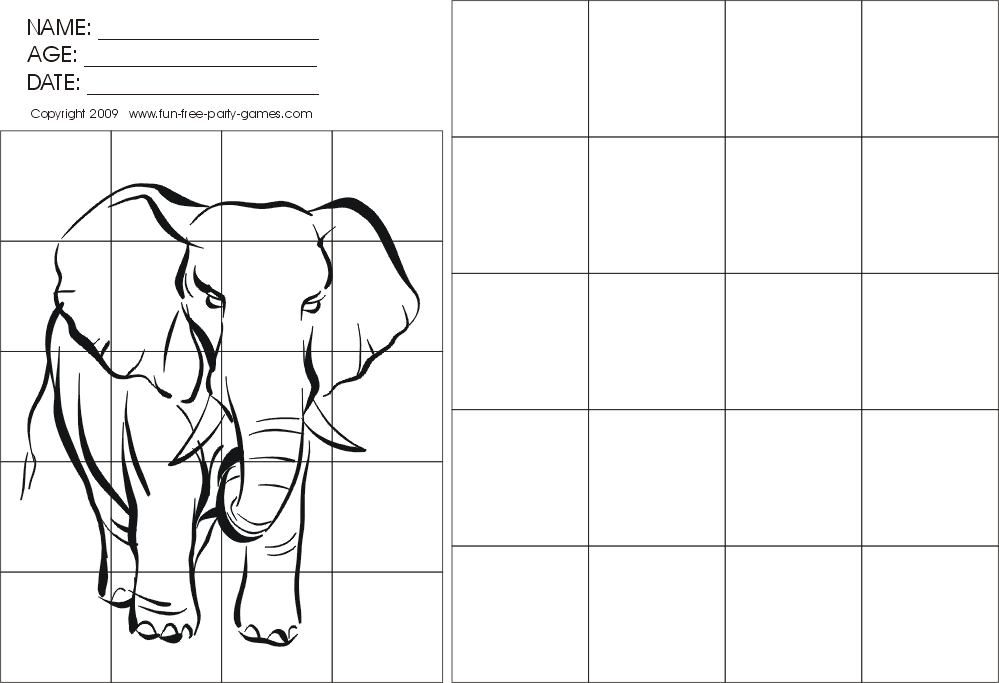
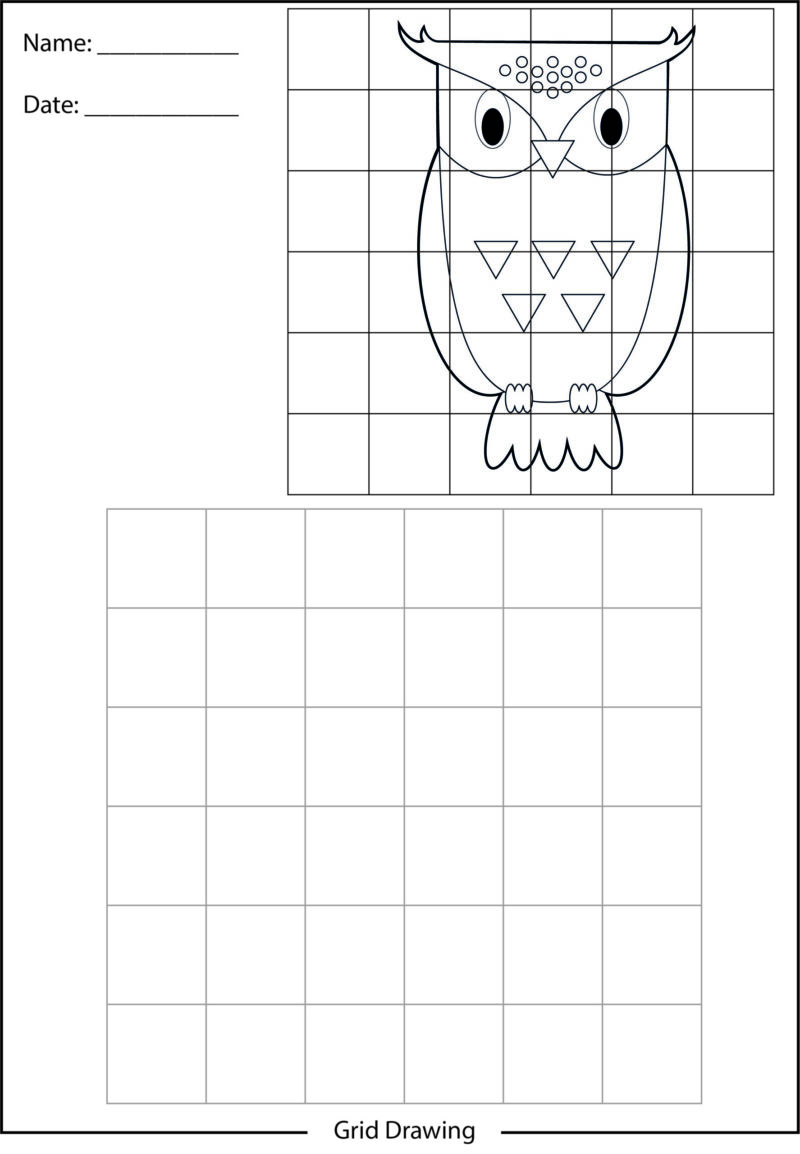
Grid drawing for beginners is an observational technique that breaks complex visual forms down into manageable coordinate squares to teach proportion and spatial reasoning. According to the National Art Education Association (NAEA), structured visual arts instruction during early childhood significantly enhances cognitive mapping, fine-motor coordination, and spatial analysis. Educators, parents, and homeschoolers utilize printable Grid Drawing templates alongside real photo visual flashcards to bridge the gap between abstract visual perception and concrete fine-motor execution. This methodical approach transforms intimidating artistic subjects into simple quadrant-by-quadrant coordinates, allowing young learners to build foundational drawing confidence without feeling overwhelmed by an entire composition.
Visual Learning & Skill Snapshot:
- Core Focus: Coordinate-based visual breakdown for early elementary learners.
- Target Skill: Spatial reasoning, visual discrimination, and fine-motor proportion estimation.
- Key Recommendation: Pair large-cell printable grids with high-contrast photo references for optimal cognitive engagement.
Core Principles and Visual Learning Overview
Grid drawing operates by dividing a reference image and a blank drawing canvas into identical rectangular matrices, shifting the focus from drawing an entire object to copying individual line intersections within each cell. This practice builds visual-spatial intelligence by training young brains to analyze negative space, line angles, and scale relationships systematically. When integrating real photo visual flashcards as reference sheets, children learn to interpret three-dimensional lighting and texture into two-dimensional grid coordinates. Developing these observational habits early supports cross-curricular competencies, reinforcing mathematical graphing, geometry, and handwriting alignment through structured Educational Activities.
Key Specifications and Breakdown
| Age / Learning Stage | Visual Skill & Grid Ratio | Pedagogical Application & Scaffolding |
|---|---|---|
| Ages 4-5 (Early Foundation) | 2×2 or 3×3 large cell matrix | Utilize high-contrast Photo Flashcards to teach basic shape placement and boundary recognition. |
| Ages 6-7 (Developing Primary) | 4×4 moderate coordinate grid | Focus on line curvature, angle estimation, and proportion matching using simplified animal or object subjects. |
| Ages 8-9 (Advanced Beginner) | 5×5 standard precision grid | Emphasize detailed shading transitions, intricate contours, and independent coordinate tracking without adult prompting. |
Systematic visual breaking through grid-based instruction improves spatial coordination and observational accuracy in early learners — National Art Education Association (NAEA)
Step-by-Step Practical Application and Printing Guidelines
Executing a successful grid drawing session requires clear printing practices, proper material preparation, and patient adult scaffolding. Instructors should print reference images and blank working grids at an exact 1:1 scale to eliminate confusing scale conversions for beginners. Secure both sheets side-by-side on a flat surface using low-tack painter’s tape to prevent shifting while the child draws. Guide young artists to select one grid square at a time—starting from the top left corner and working across—while covering the remaining squares with a blank paper mask to minimize visual clutter and reduce cognitive overload.
Common Challenges and How to Avoid Them
Children frequently struggle with grid drawing when the reference grid contains too many complex cells or when they attempt to draw the entire object at once instead of focusing on individual squares. Educators and parents prevent frustration by starting with simple 2×2 or 3×3 grids and actively demonstrating how lines cross specific grid intersections. Encouraging learners to check where lines touch the borders of each square before sketching interior details ensures accurate proportions and prevents cascading drawing errors.
💬 Frequently Asked Questions
Explore More Free Learning Printables and Visual Activities on WePhotoAgency
Expanding early childhood art curriculums becomes seamless with the extensive collection of printable resources available at WePhotoAgency.com. Educators, parents, and homeschoolers can access a vast library of structured worksheets designed to foster cognitive growth and artistic confidence. Browse the complete collection today to discover engaging visual tools that inspire creativity and strengthen foundational learning milestones.
Visual Reference Gallery