Introduction
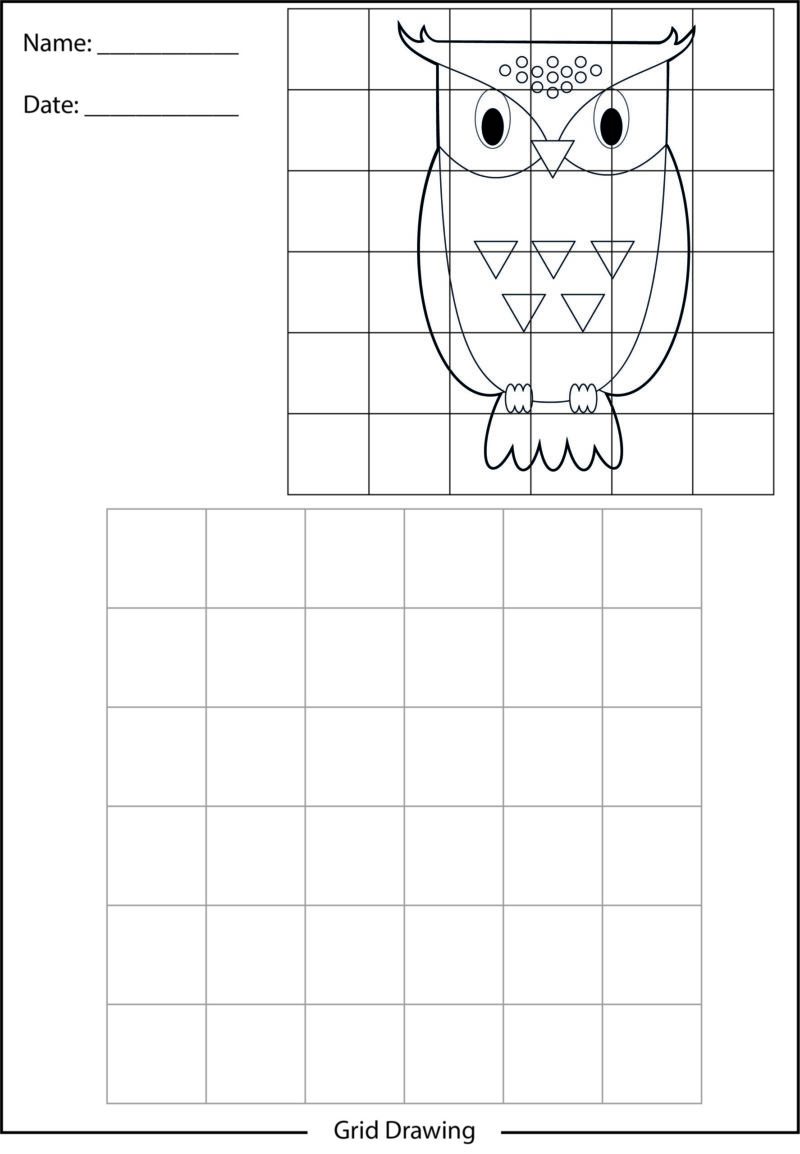
Grid drawing digital frameworks bridge modern photograph processing with traditional pencil-and-paper spatial exercises to enhance early childhood visual literacy. According to the National Association for the Education of Young Children (NAEYC), hands-on manipulative arts combined with structured visual mapping significantly accelerate children’s cognitive development and fine-motor precision. By breaking down complex real-world photo flashcards into manageable coordinate squares, young learners systematically build foundational geometric awareness, hand-eye coordination, and accurate proportion estimation. This methodology transforms abstract drawing into a concrete, confidence-building puzzle accessible to early elementary students, homeschoolers, and classroom teachers alike.
Visual Learning & Skill Snapshot:
- Core Focus: Digital grid generation overlaid onto high-resolution photographic references for printable drawing worksheets.
- Target Skill: Spatial reasoning, visual discrimination, fine-motor proportion, and photo-based concept mastery.
- Key Recommendation: Pair digital reference grids with blank, identically proportioned Grid Drawing templates to reinforce coordinate tracking without cognitive overload.
Core Principles and Visual Learning Overview
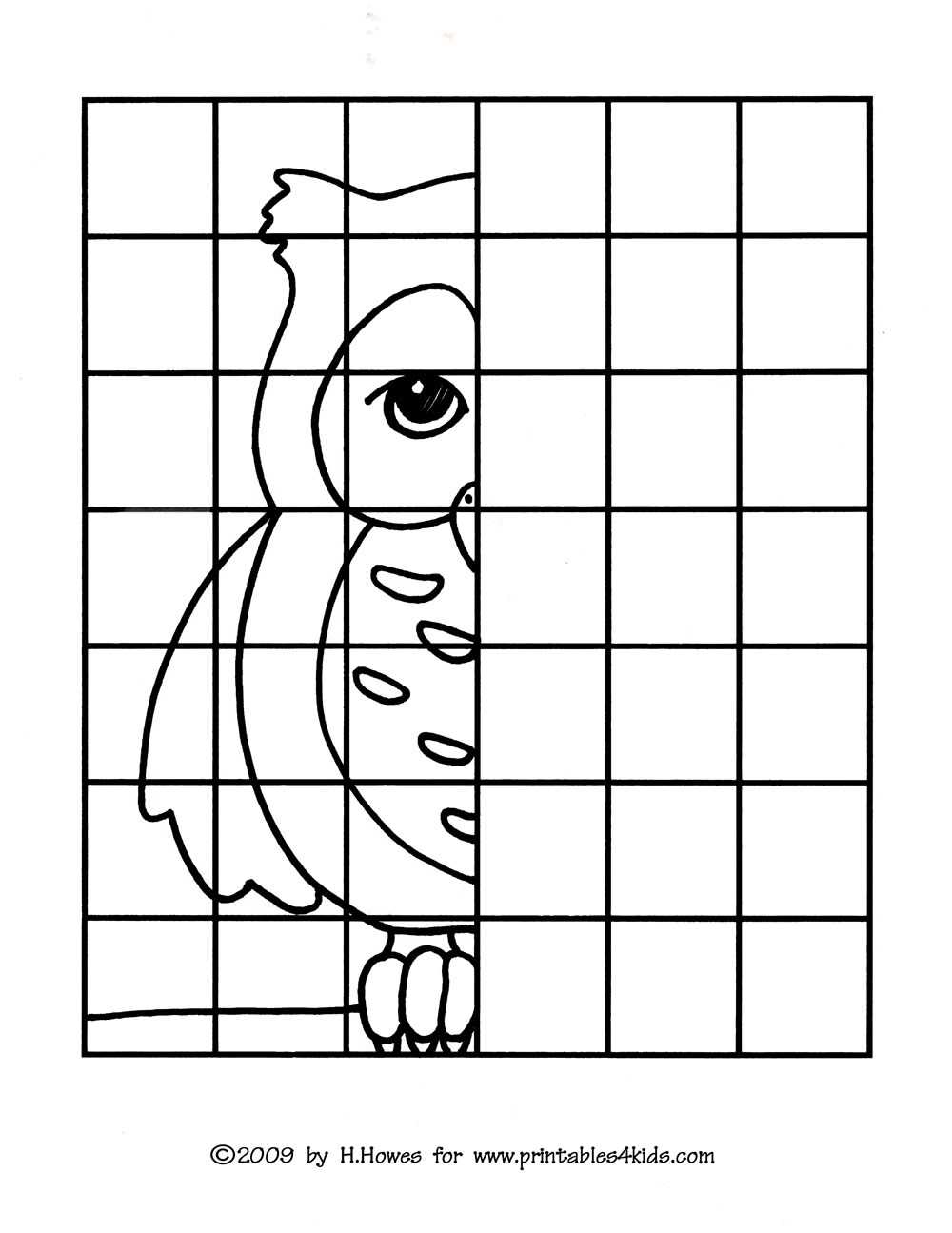
Grid drawing digital technology allows educators to upload real photo flashcards into specialized layout software, superintending an exact matrix of coordinates over images before printing worksheets for students. This instructional technique relies on chunking theory from cognitive psychology, which proves that the human brain processes complex shapes much more accurately when divided into smaller, self-contained visual units. Rather than feeling overwhelmed by drawing an entire animal or complex object, a child focuses entirely on duplicating the specific lines, curves, and negative spaces located within a single grid square. Integrating these printable resources with Photo Flashcards provides authentic visual stimuli that bridge photographic realism with foundational drawing competencies, boosting both artistic execution and cognitive concentration.
Key Specifications and Breakdown
| Age / Learning Stage | Visual Skill & Grid Ratio | Pedagogical Application & Scaffolding |
|---|---|---|
| Ages 4-5 (Early Kindergarten) | 2×2 or 3×3 simple matrices with high-contrast real photo subjects. | Focuses on basic quadrant identification and horizontal-vertical tracking using large, tactile pencils. |
| Ages 6-7 (Early Elementary) | 4×4 standard grids featuring everyday objects and nature elements. | Develops systematic row-by-row scanning habits and intermediate proportion estimation. |
| Ages 8-9 (Advanced Elementary) | 6×6 or finer proportional grids for intricate photographic details. | Cultivates advanced observational accuracy, angle measurement, and independent artistic self-correction. |
Systematic visual breaking through structured grid scaffolding measurably improves spatial scaling capacity and pencil control in early childhood learners — National Art Education Association (NAEA)
Step-by-Step Practical Application and Printing Guidelines
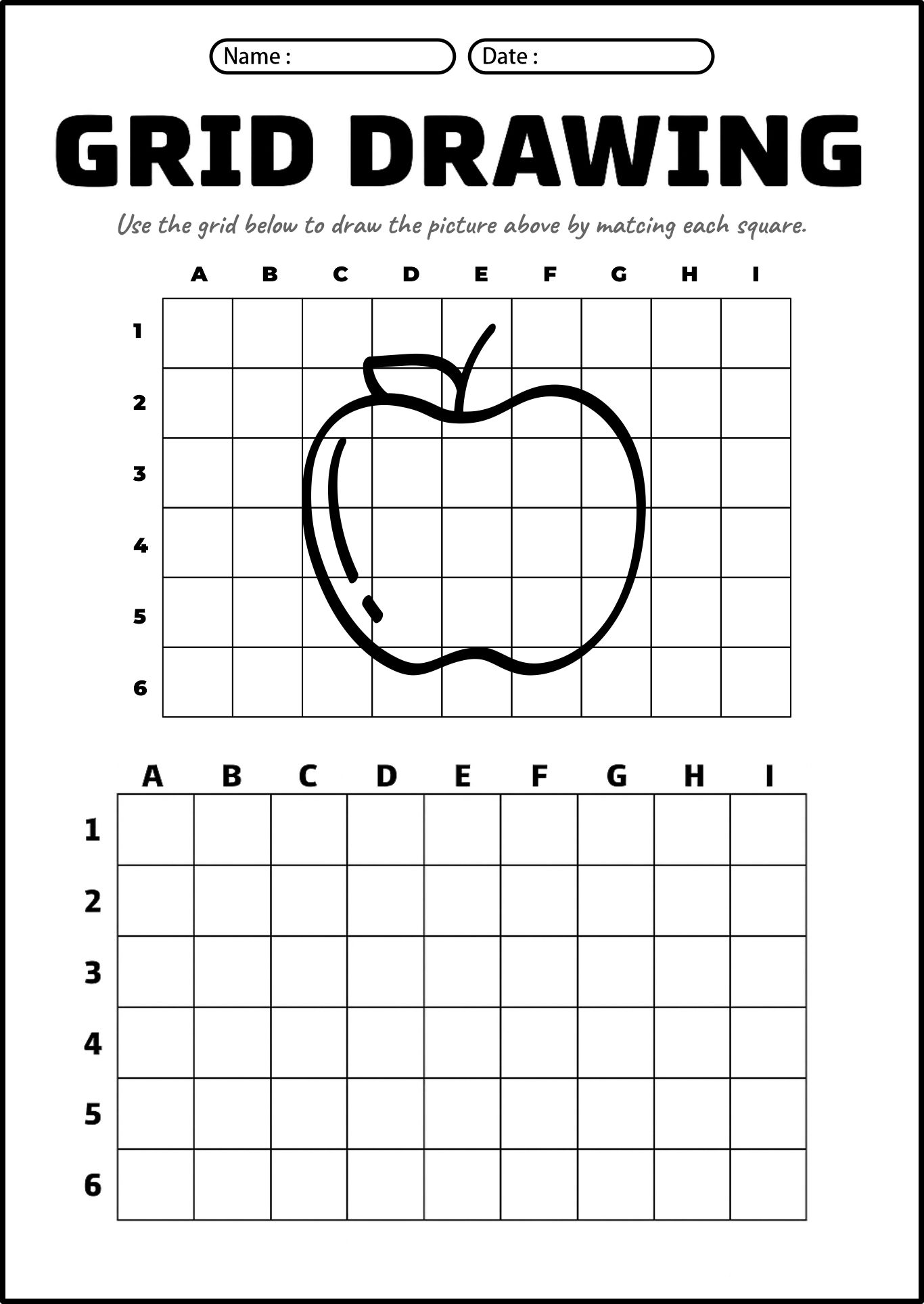
Successful implementation of digital grid worksheets requires deliberate preparation of both image files and physical printing environments. Educators begin by selecting clear, well-lit photographic subjects from trusted Educational Activities archives, ensuring high contrast between the subject and the background. Next, apply a uniform grid overlay—such as 1-inch squares for younger children or 0.5-inch squares for older elementary students—matching the dimensions of the blank drawing workspace exactly. Print both the gridded reference photo and the corresponding blank grid on heavy-weight matte cardstock to prevent tearing and bleed-through during erasing. Instruct children to label columns with letters and rows with numbers to reinforce alphanumeric literacy simultaneously with spatial mapping.
Common Challenges and How to Avoid Them
Young learners frequently encounter hurdles such as skipping rows, confusing adjacent squares, or attempting to draw the entire image at once rather than square-by-square. Preventing these tracking errors involves utilizing sliding paper masks or bookmark cards that isolate a single row on both the reference sheet and the working template. Furthermore, educators must discourage hasty freehand sketching across multiple grid lines before the child has verified the specific intersection points within the active square. Emphasizing process over perfection ensures that children maintain enthusiasm while steadily mastering complex proportion scaling and careful visual observation.
💬 Frequently Asked Questions
Explore More Free Learning Printables and Visual Activities on WePhotoAgency
Supporting comprehensive cognitive and artistic development requires access to diverse, high-quality, and structurally sound visual resources. Parents, educators, and homeschoolers can discover an extensive collection of printable learning materials, photo-based exercises, and creative worksheets directly through the WePhotoAgency.com home portal, designed to inspire lifelong curiosity and foundational skill mastery.
Visual Reference Gallery