Introduction
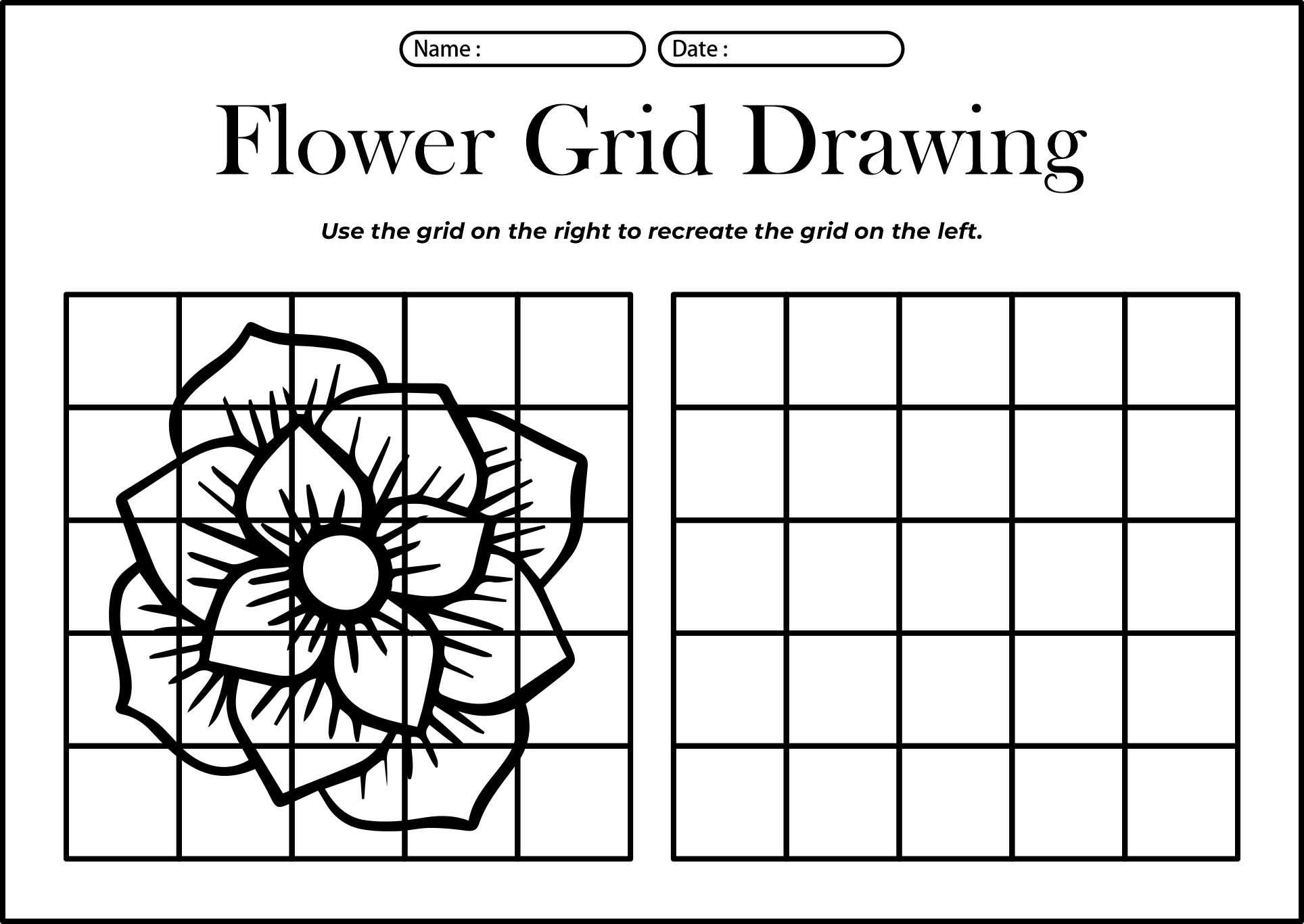
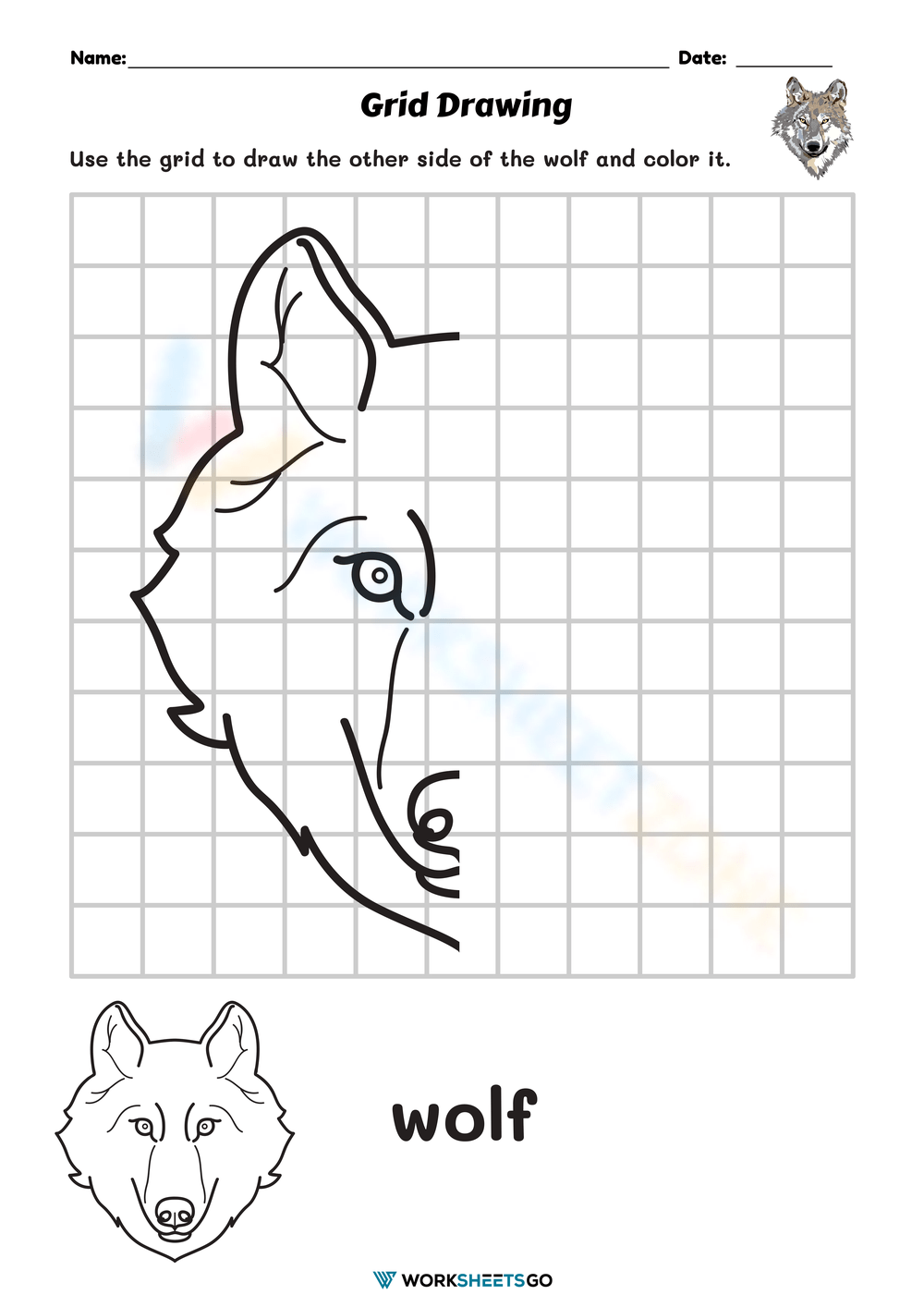
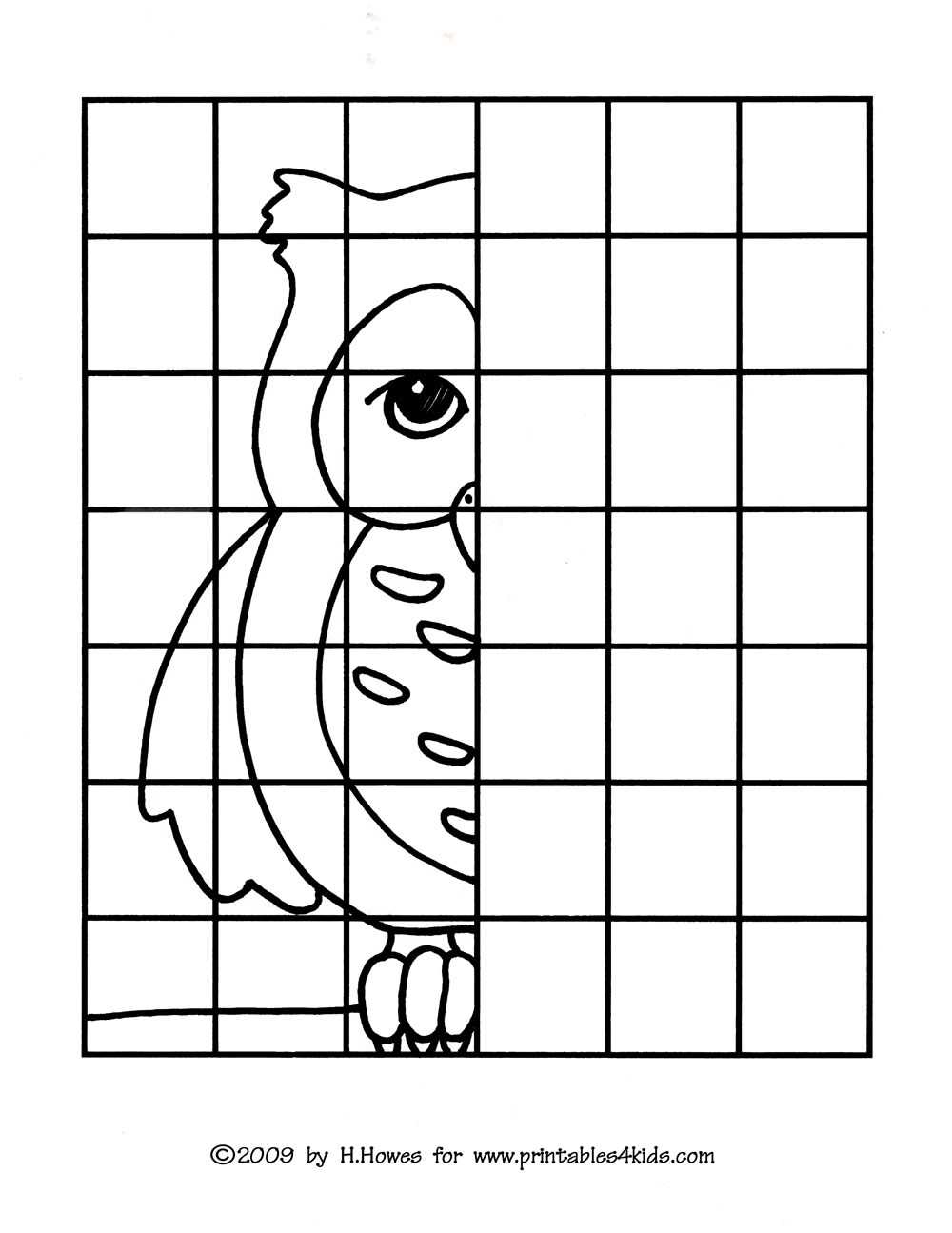
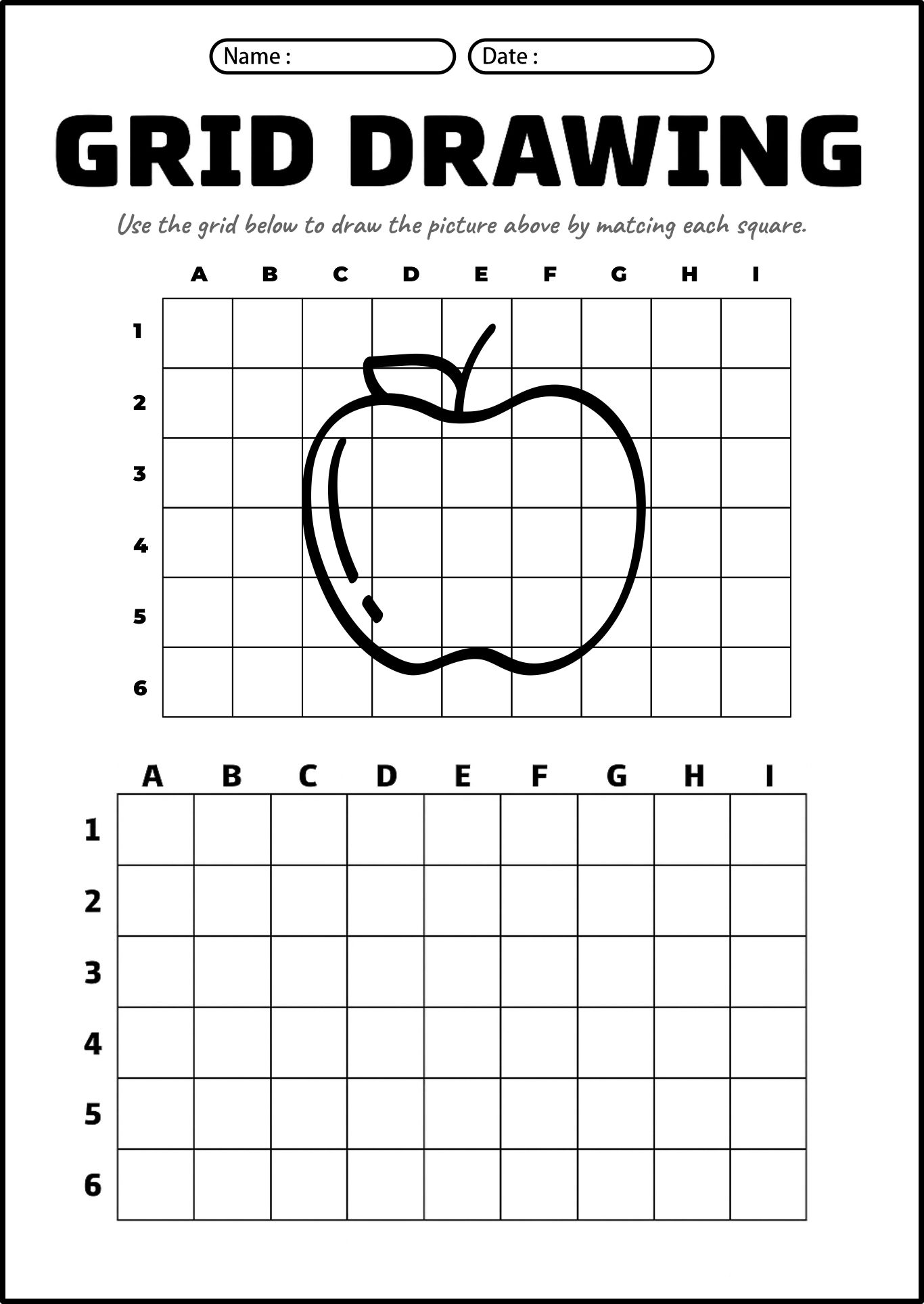
A grid drawing converter is a specialized pedagogical utility that transforms real photographic references into structured, segmented printable worksheets designed to build children’s spatial awareness, coordinate mapping, and proportional estimation skills. According to the National Art Education Association (NAEA), structured observational drawing exercises fundamentally enhance cognitive development by training young learners to break complex visual forms into manageable geometric units. Utilizing this digital tool allows parents and educators to generate customized practice materials that bridge real-world photography and fundamental artistic literacy, effectively supporting early childhood fine motor control and visual discrimination.
Visual Learning & Skill Snapshot:
- Core Focus: A digital grid drawing converter translates photographs into segmented reference sheets for structured drawing practice.
- Target Skill: Spatial reasoning, visual discrimination, fine-motor proportion, and coordinate mapping.
- Key Recommendation: Pair high-contrast photo references with matching Photo Flashcards to reinforce early visual recognition before pencil-to-paper transfer.
Core Principles and Visual Learning Overview
Spatial analysis represents a foundational component of early cognitive development, requiring children to interpret three-dimensional concepts across two-dimensional surfaces through systematic observation. When utilizing a grid drawing converter, complex visual stimuli—such as botanical subjects, animals, or architectural elements—are systematically overlaid with a uniform coordinate matrix. This systematic subdivision empowers children to isolate individual squares, reducing cognitive overload and shifting the focus from drawing the entire object to accurately rendering specific line intersections and angles within isolated bounded areas. Integrating these printables alongside structured Educational Activities reinforces bilateral hand-eye coordination and builds foundational confidence in early sketching.
Key Specifications and Breakdown
| Age / Learning Stage | Visual Skill & Grid Ratio | Pedagogical Application & Scaffolding |
|---|---|---|
| Ages 4-5 (Early Explorers) | 2×2 or 3×3 simple box grids | Focuses on bold-lined objects and basic shapes; encourages finger-tracing coordinates. |
| Ages 6-8 (Developing Artists) | 4×4 or 5×5 intermediate grids | Emphasizes proportional line placement, curve replication, and detailed feature mapping. |
| Ages 9-11 (Advanced Learners) | 6×6 or higher complex matrices | Targets exact angular precision, shading transitions, and intricate photo-to-paper fidelity. |
Structured grid division supports cognitive scaffolding by reducing working memory demands during complex observational drawing tasks. — National Art Education Association (NAEA)
Step-by-Step Practical Application and Printing Guidelines
Effective implementation of grid-based drawing begins with selecting high-contrast, age-appropriate photographic source material that features clear subject outlines against neutral backgrounds. Once the source image is processed through the Grid Drawing utility, educators should print identical grid lines onto both the reference sheet and the blank student drawing template to maintain direct 1:1 proportional scaling. Instruct young learners to examine individual cells sequentially from top-left to bottom-right, encouraging pencil light sketching before final line definition. Providing children with dedicated erasers and soft graphite pencils ensures they can easily adjust line intersections without damaging heavy-stock educational printing paper.
Common Challenges and How to Avoid Them
Young children frequently struggle with scale disorientation, often attempting to draw an entire object within a single grid square rather than observing how individual lines cross specific coordinate boundaries. To prevent this frustration, educators should model the coordinate-checking process explicitly, demonstrating how to locate starting and ending points along grid cell borders before connecting lines. Another common obstacle involves using overly complex photographs cluttered with busy backgrounds; selecting clean, isolated subjects ensures children maintain focus on structural proportions without becoming overwhelmed by excessive visual noise.
💬 Frequently Asked Questions
Explore More Free Learning Printables and Visual Activities on WePhotoAgency
Developing robust visual and cognitive skills requires access to diverse, high-quality, and expertly designed educational resources that inspire creativity and focused observation in young learners. Explore the expanding library of printable resources, reference flashcards, and creative guides available directly through WePhotoAgency.com to support holistic childhood development today.
Visual Reference Gallery