Introduction
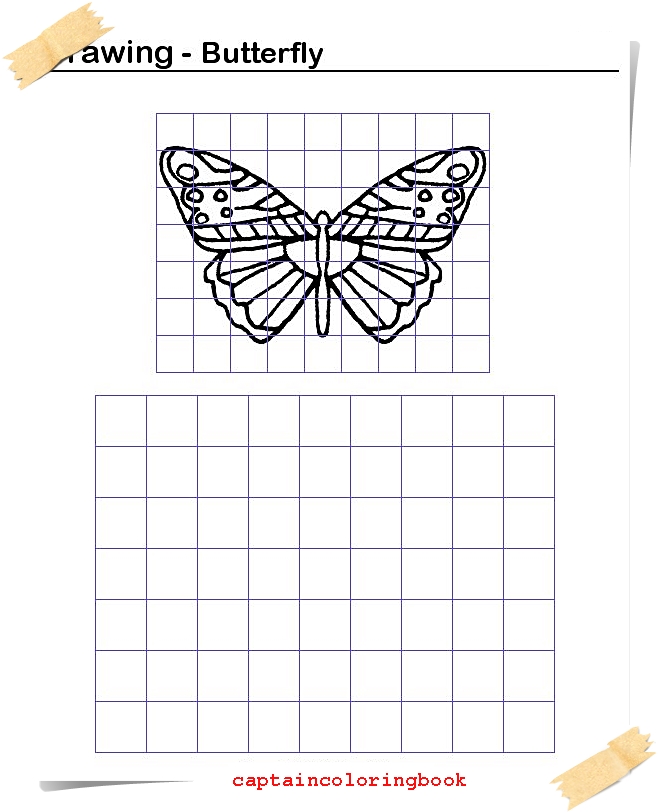
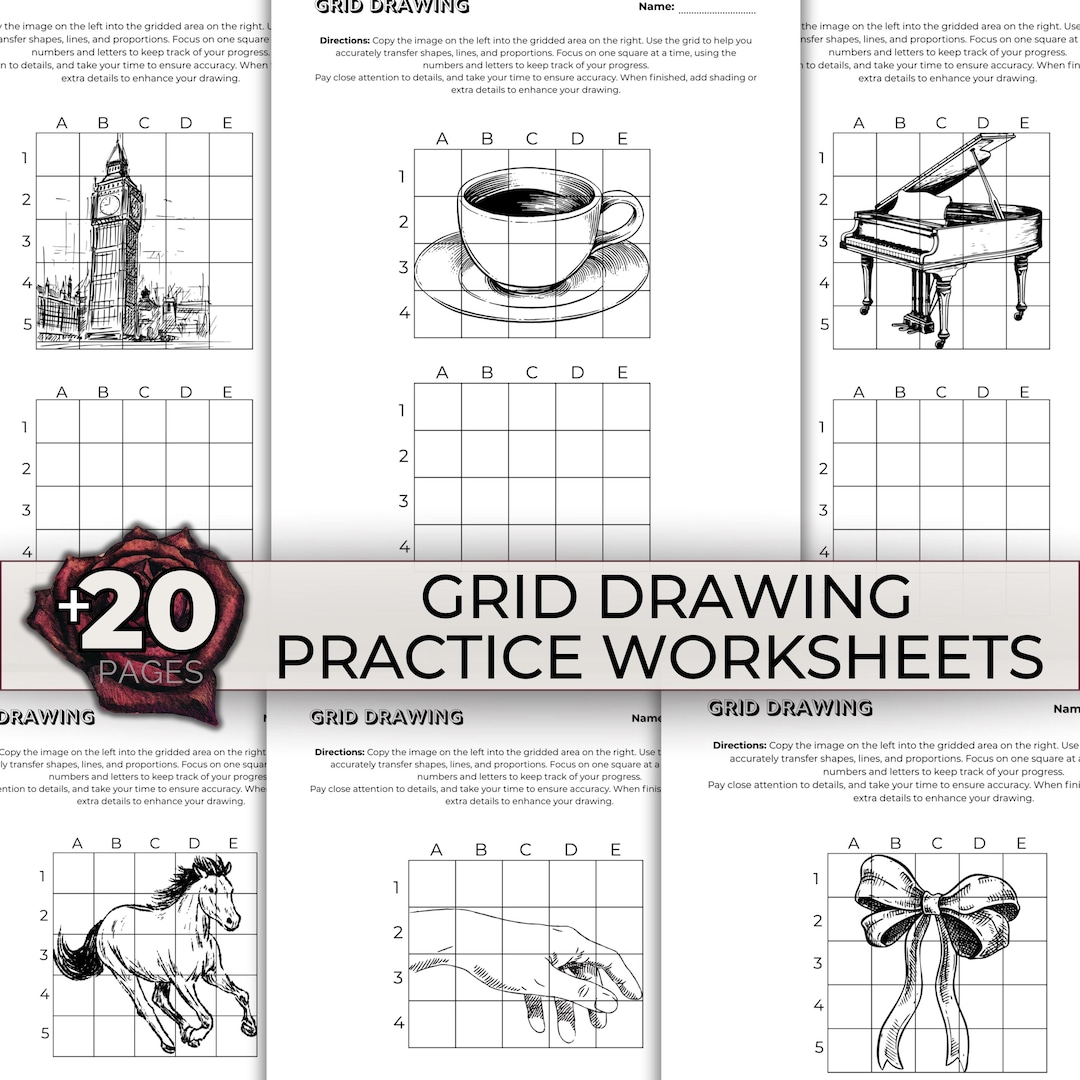
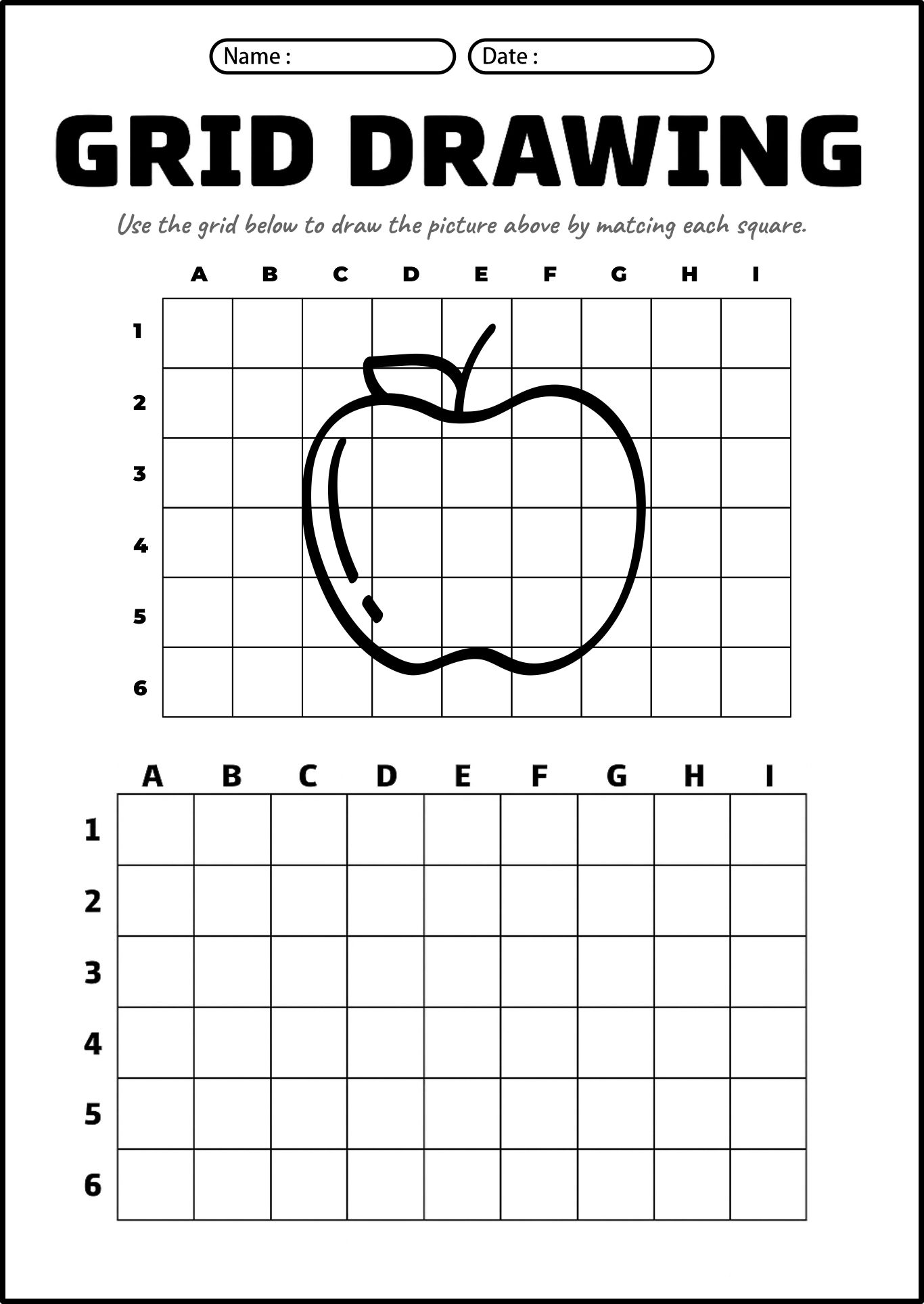
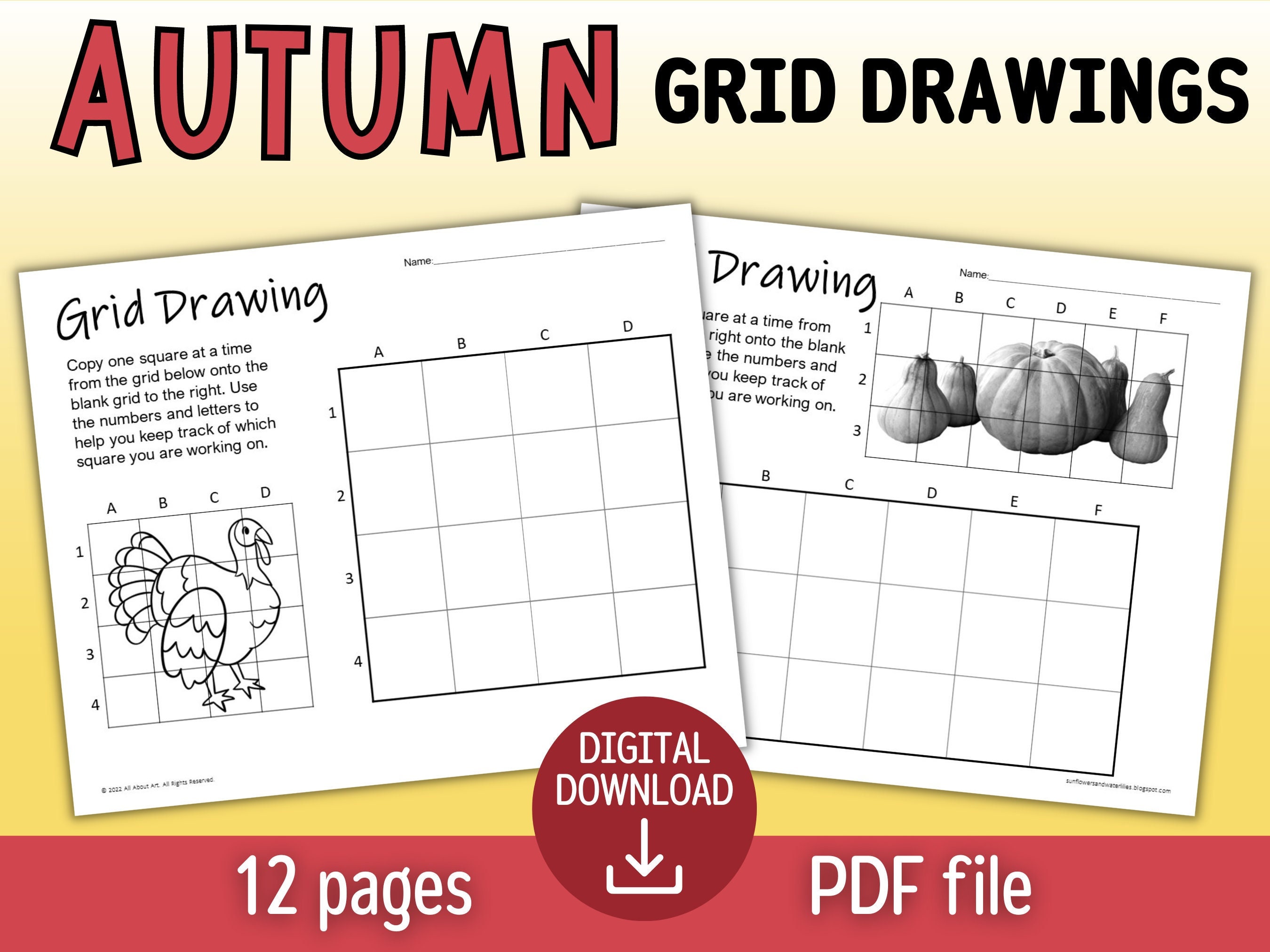
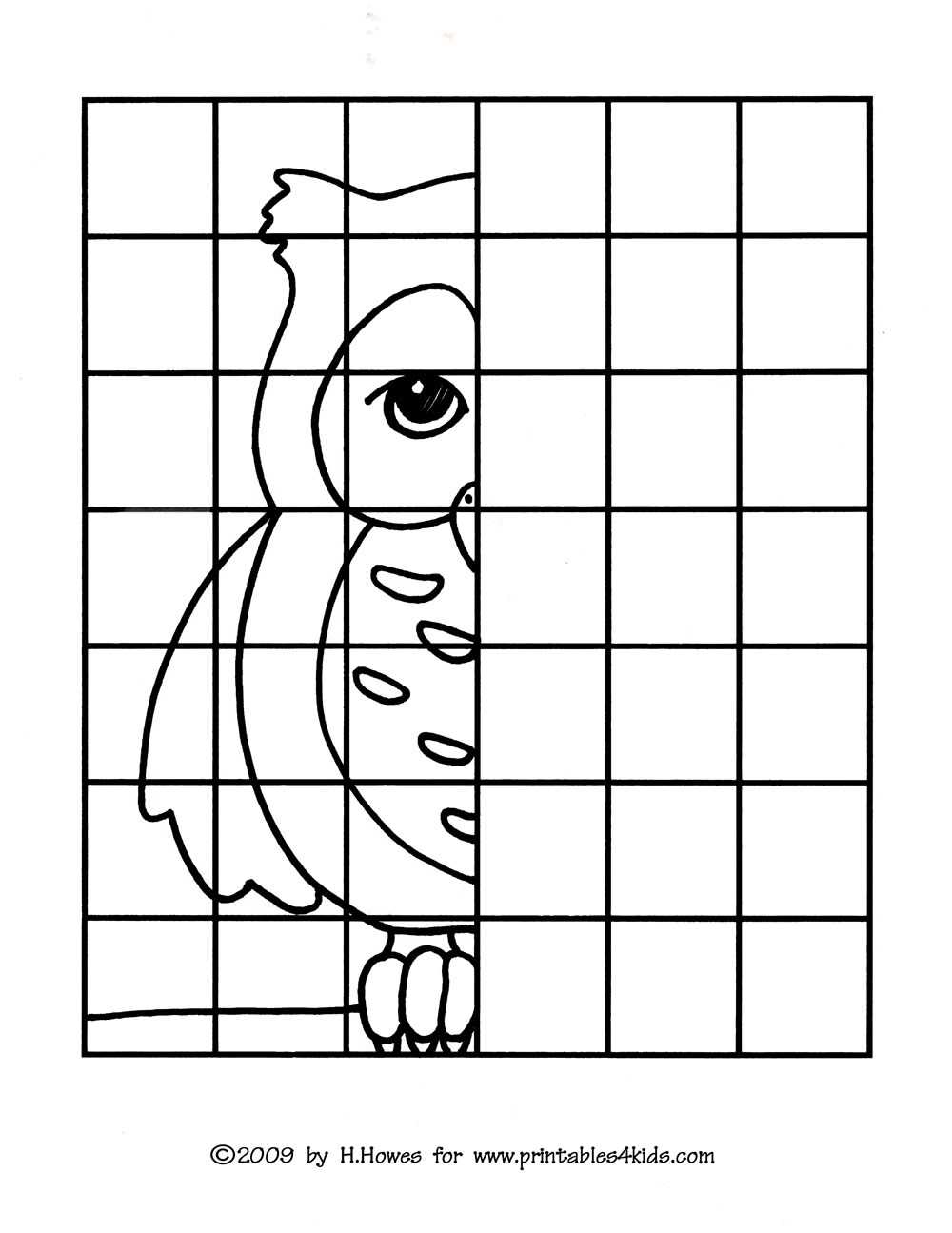
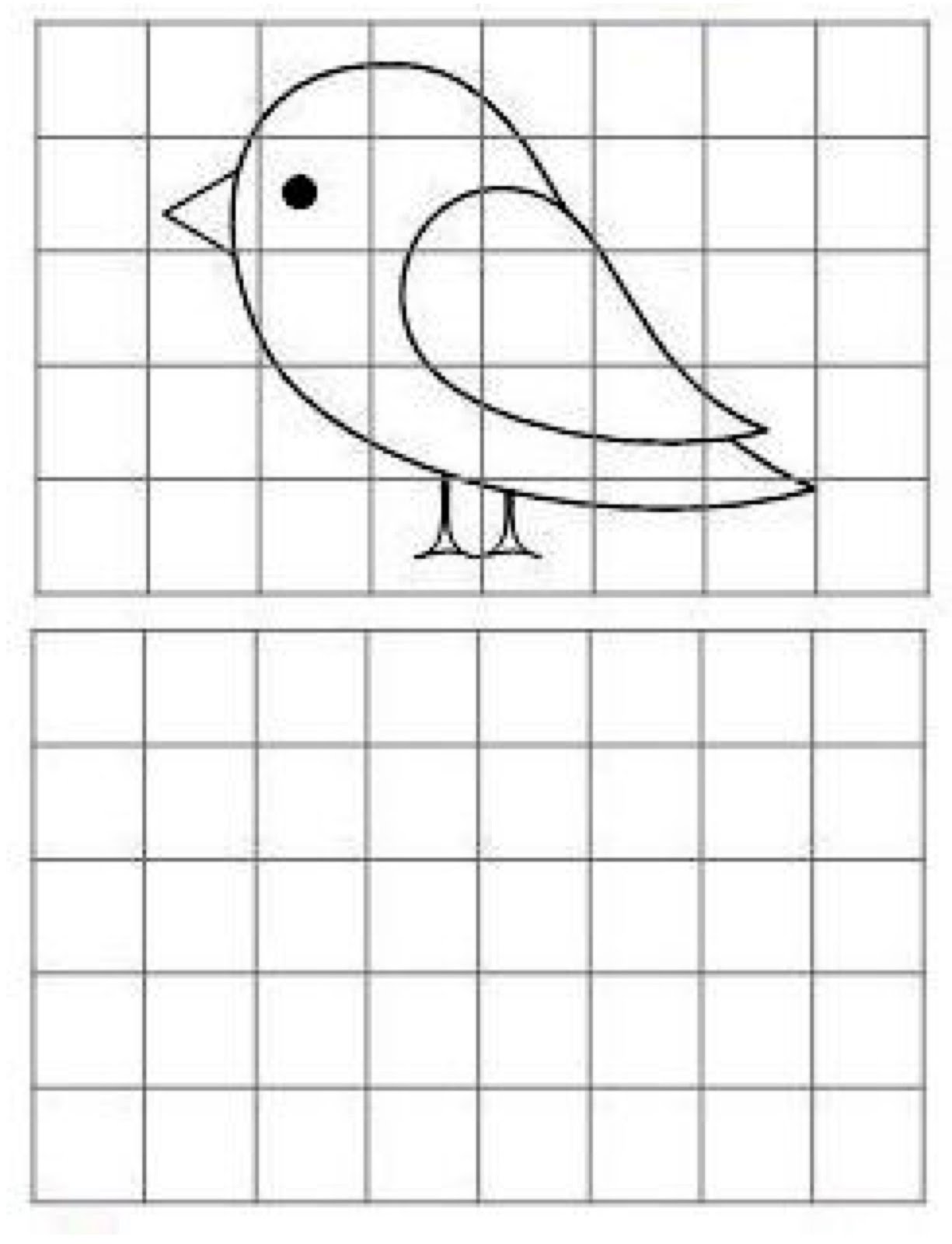
A grid drawing book is a structured visual learning workbook that utilizes coordinate-based partitioning to teach young children proportion, spatial awareness, and observational accuracy through fragmented image reproduction. According to the National Association for the Education of Young Children (NAEYC), structured visual-spatial activities during early childhood significantly enhance bilateral coordination, geometric thinking, and fine-motor control necessary for early academic success. By breaking complex photographic subjects into manageable grid squares, learners transition from guessing shapes to analyzing lines, angles, and spatial relationships methodically. Utilizing printable worksheets alongside real-world visual references accelerates cognitive development by bridging concrete photo references with abstract geometric grids.
Visual Learning & Skill Snapshot:
- Core Focus: Systematic spatial breakdown of real photographs using structured coordinate grids.
- Target Skill: Spatial reasoning, visual discrimination, fine-motor proportion, and coordinate mapping.
- Key Recommendation: Pair photographic references with simple 2×2 or 4×4 coordinate grids before progressing to complex multi-row layouts.
Core Principles and Visual Learning Overview
Grid drawing books function by reducing cognitive overload through selective visual chunking, allowing early learners to focus exclusively on one isolated box at a time. This methodology relies on breaking down complex real photo visual flashcards into discrete quadrants, training the brain to evaluate negative space, line orientation, and relative positioning rather than relying on preconceived symbols of objects. When children engage with these exercises, the visual cortex processes structural details independently of conceptual labels, thereby fostering pure observational drawing skills. Educators often integrate these frameworks into broader Educational Activities to reinforce foundational math and geometry concepts through artistic exploration.
Key Specifications and Breakdown
| Age / Learning Stage | Visual Skill & Grid Ratio | Pedagogical Application & Scaffolding |
|---|---|---|
| Ages 4-5 (Early Explorers) | 2×2 Grid with high-contrast photo references | Teaches basic quadrant identification and simple line direction matching. |
| Ages 6-7 (Developing Artists) | 4×4 Grid with detailed animal and object photography | Develops proportion estimation, pencil pressure control, and cross-reference checks. |
| Ages 8+ (Advanced Beginners) | 6×6 Grid with complex architectural or nature subjects | Refines intricate coordinate mapping, negative space observation, and scale replication. |
Visual-spatial training improves mathematical proportion estimation and geometric problem-solving in primary education. — National Art Education Association (NAEA)
Step-by-Step Practical Application and Printing Guidelines
Implementing a grid drawing book effectively requires pairing high-resolution printable worksheets with clear photographic references to ensure maximum visual contrast and line clarity. Educators should print materials on heavyweight cardstock to prevent tearing during intensive pencil erasing and redrawing phases. Place the reference image directly adjacent to the blank drawing grid to minimize visual tracking fatigue for young learners. To diversify visual stimuli, teachers frequently incorporate printable Photo Flashcards as custom reference prompts, enabling children to practice sketching diverse real-world animals, objects, and botanical elements from direct photography.
Common Challenges and How to Avoid Them
Young learners frequently struggle with maintaining correct proportions because they tend to draw what they think an object looks like rather than accurately copying the specific lines contained within each grid square. To overcome this hurdle, encourage children to cover adjacent squares with a blank card, isolating their attention entirely to one single grid cell at a time. Another common issue involves rushing the initial coordinate alignment; establishing a habit of light sketching before finalizing dark contour lines prevents frustration and encourages iterative correction. Consistent integration of specialized Grid Drawing exercises helps build the patience and systematic observation habits required for advanced artistic mastery.
💬 Frequently Asked Questions
Explore More Free Learning Printables and Visual Activities on WePhotoAgency
Discover an extensive collection of professional educational resources designed to foster visual literacy, cognitive growth, and artistic exploration by visiting the main hub at WePhotoAgency.com. Access thousands of printable worksheets, flashcards, and developmental guides tailored for educators and parents today.
Visual Reference Gallery