Introduction
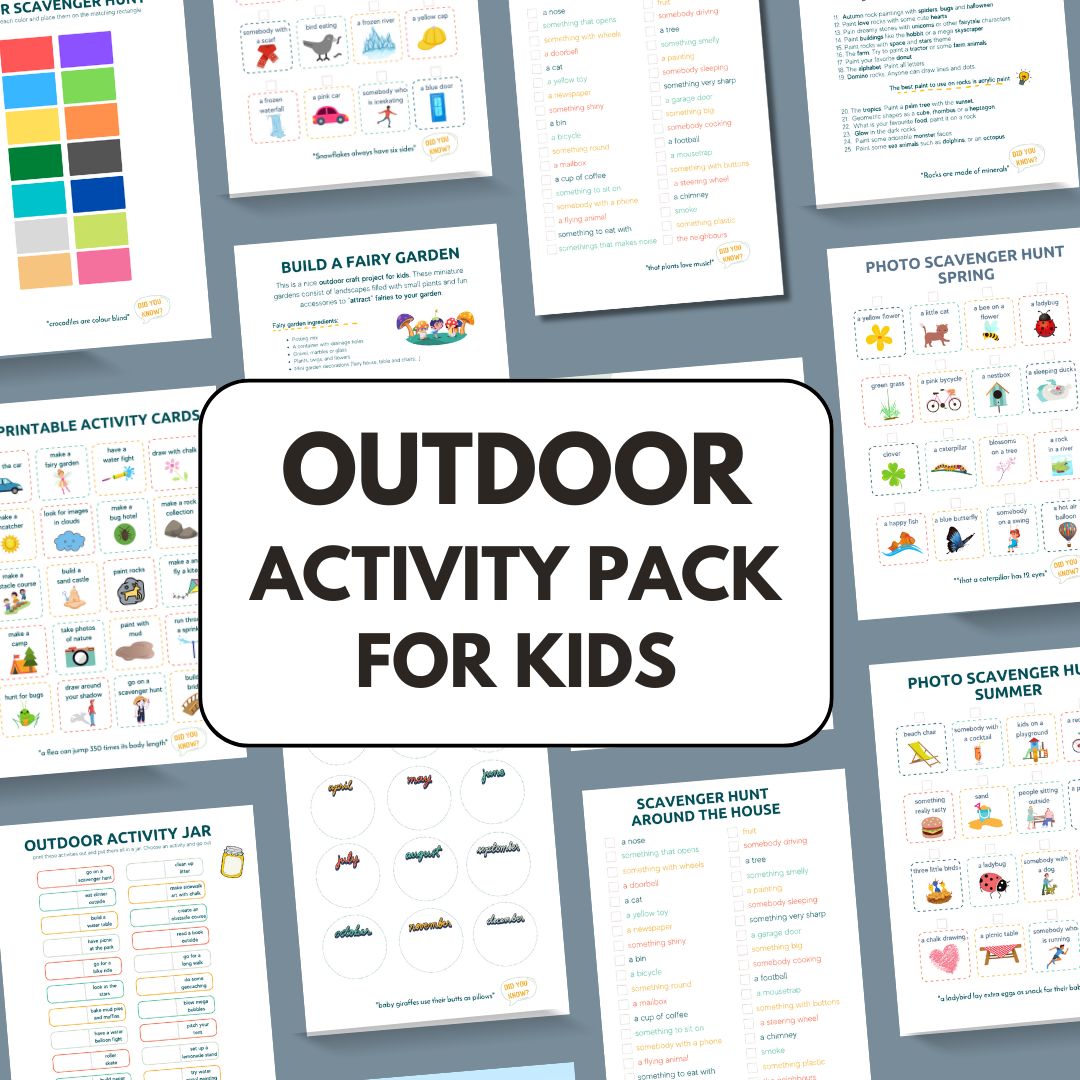
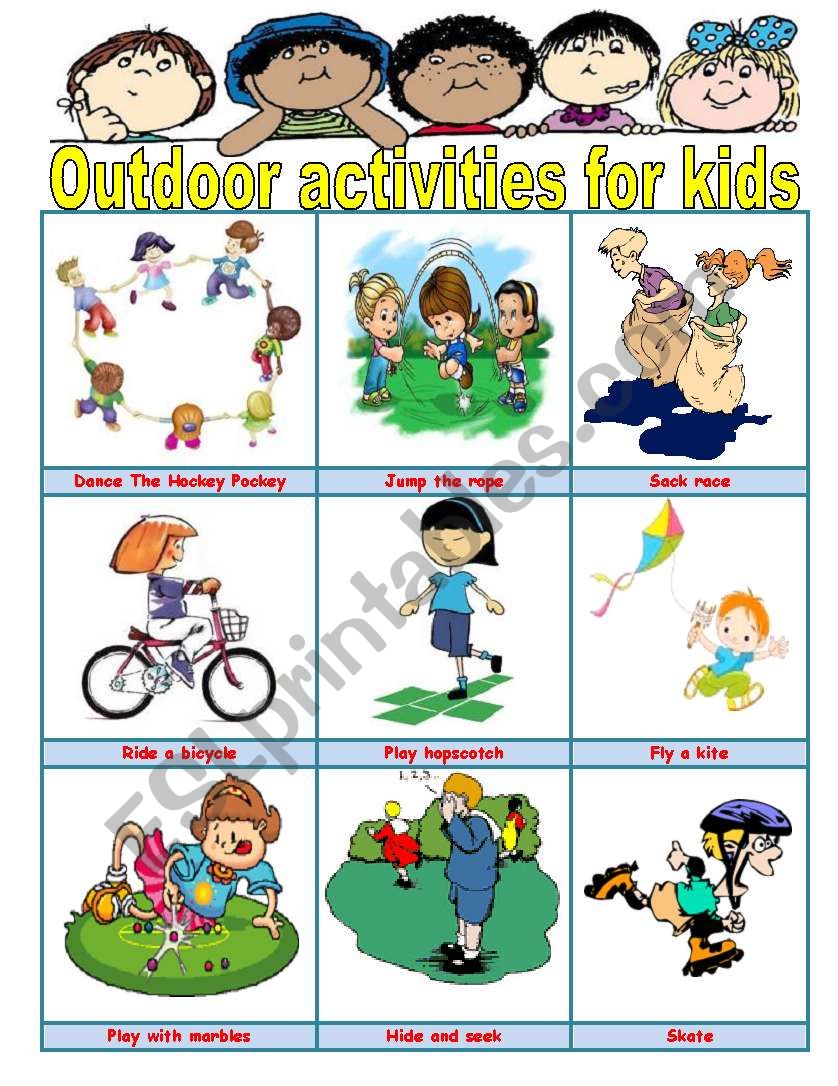
Educational activities for kids outdoor systematically bridge tactile real-world observation with foundational cognitive development by transforming natural environments into dynamic spatial laboratories. According to the National Association for the Education of Young Children (NAEYC), hands-on environmental engagement directly accelerates visuospatial processing and fine-motor coordination in early childhood. Integrating structured visual tools such as Grid Drawing and real-world photographic stimuli anchors abstract cognitive concepts into tangible visual landmarks. Educators, homeschoolers, and parents utilize these methodology-driven approaches to cultivate advanced observation skills, accurate proportion estimation, and deep visual literacy.
Visual Learning & Skill Snapshot:
- Core Focus: Outdoor educational activities leverage physical surroundings to build spatial intelligence and observational drawing habits.
- Target Skill: Spatial reasoning, visual discrimination, fine-motor proportion, and real-world photo-based concept mastery.
- Key Recommendation: Pair high-contrast reference printouts with clipboards and grid-lined surfaces to stabilize outdoor sketching.
Core Principles and Visual Learning Overview
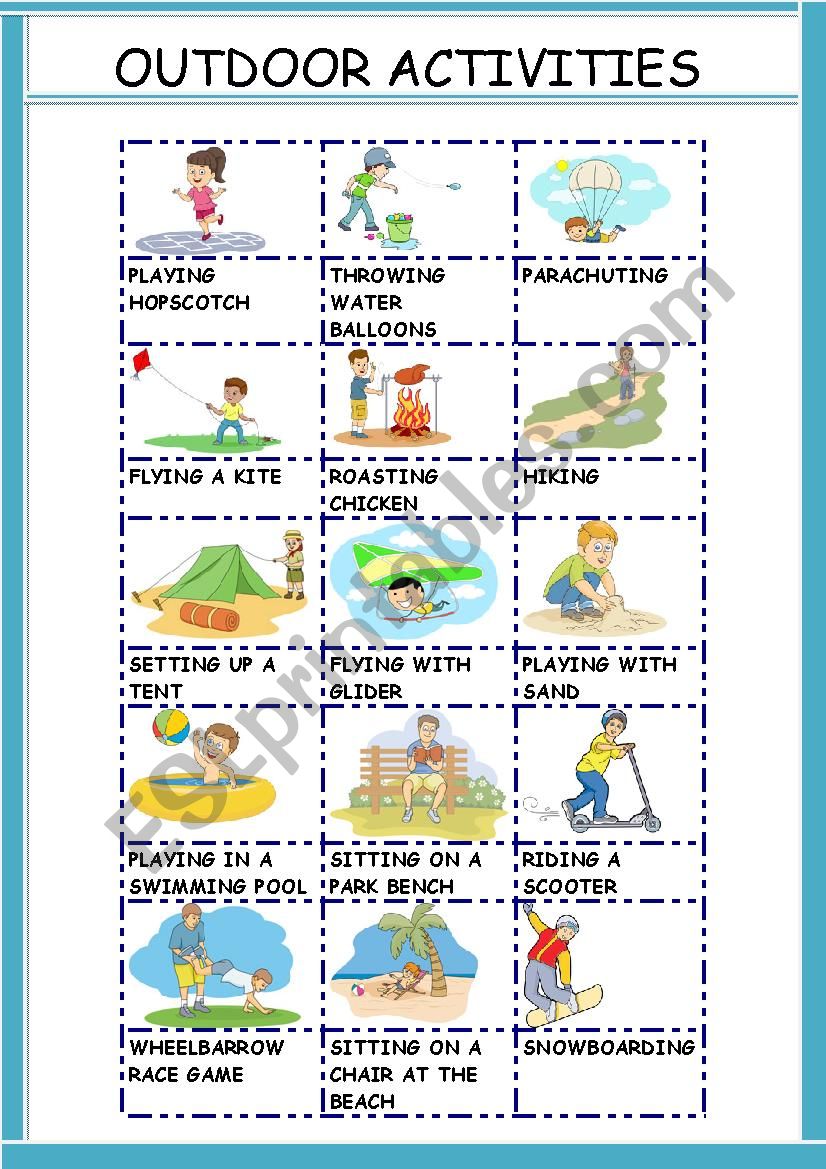
Spatial reasoning develops most robustly when children physically correlate three-dimensional outdoor scenery with two-dimensional representations on paper. Educational activities for kids outdoor require careful scaffolding, moving from simple photographic identification toward precise grid-based coordinate mapping. Utilizing Photo Flashcards featuring crisp botanical or architectural specimens equips young learners with concrete visual anchors before executing freehand or gridded sketches. By breaking complex natural forms down into manageable geometric components, children master scale, symmetry, and spatial orientation without experiencing cognitive overload.
Key Specifications and Breakdown
| Age / Learning Stage | Visual Skill & Grid Ratio | Pedagogical Application & Scaffolding |
|---|---|---|
| Ages 3–5 (Preschool) | Macro Photo Flashcards (1:1 Ratio) | Object-to-flashcard matching games in natural sunlight to build immediate visual discrimination. |
| Ages 6–7 (Early Elementary) | 2×2 Grid Worksheets (Elementary) | Outdoor leaf and bark pattern duplication using simplified grid intersections for proportion training. |
| Ages 8–10 (Upper Elementary) | 4×4 Fine Coordinate Grids | Landscape composition analysis, perspective estimation, and advanced cross-hatching outdoors. |
Early childhood spatial intelligence relies on tactile engagement with geometric frameworks and realistic photographic stimuli to bridge concrete observation with abstract symbolic thought. — National Art Education Association (NAEA)
Step-by-Step Practical Application and Printing Guidelines
Executing outdoor visual exercises successfully demands durable print preparation and methodical workspace organization. Educators should print Educational Activities worksheets onto heavy-weight cardstock (at least 110gsm) to prevent tearing in outdoor breezes or warping under watercolor paint. Secure worksheets to sturdy clipboards, pair them with mechanical pencils for precise line work, and provide clear plastic sleeves to protect reference flashcards from moisture. Instructors guide learners to establish a stable vantage point, align their reference photo vertically next to the drawing grid, and systematically transfer coordinates quadrant by quadrant from top-left to bottom-right.
Common Challenges and How to Avoid Them
Proportional distortion and optical fatigue represent the most frequent hurdles when children transition from indoor desks to bright outdoor settings. To prevent sketching errors caused by glaring sunlight or shifting shadows, position student workstations in shaded outdoor canopies and use matte-laminated reference cards that eliminate glare. When learners struggle with accurate coordinate transfer across grid lines, educators should temporarily mask off surrounding quadrants with blank paper indices to isolate a single grid box at a time, thereby reducing visual clutter and sharpening fine-motor focus.
💬 Frequently Asked Questions
Explore More Free Learning Printables and Visual Activities on WePhotoAgency
Empower young learners with professionally designed, pedagogical visual tools by browsing the complete catalog of printable resources available at WePhotoAgency.com. Dedicated educators, homeschool instructors, and parents will discover an expansive library of downloadable grids, flashcards, and creative prompts designed to inspire lifelong artistic confidence and rigorous cognitive development.
Visual Reference Gallery