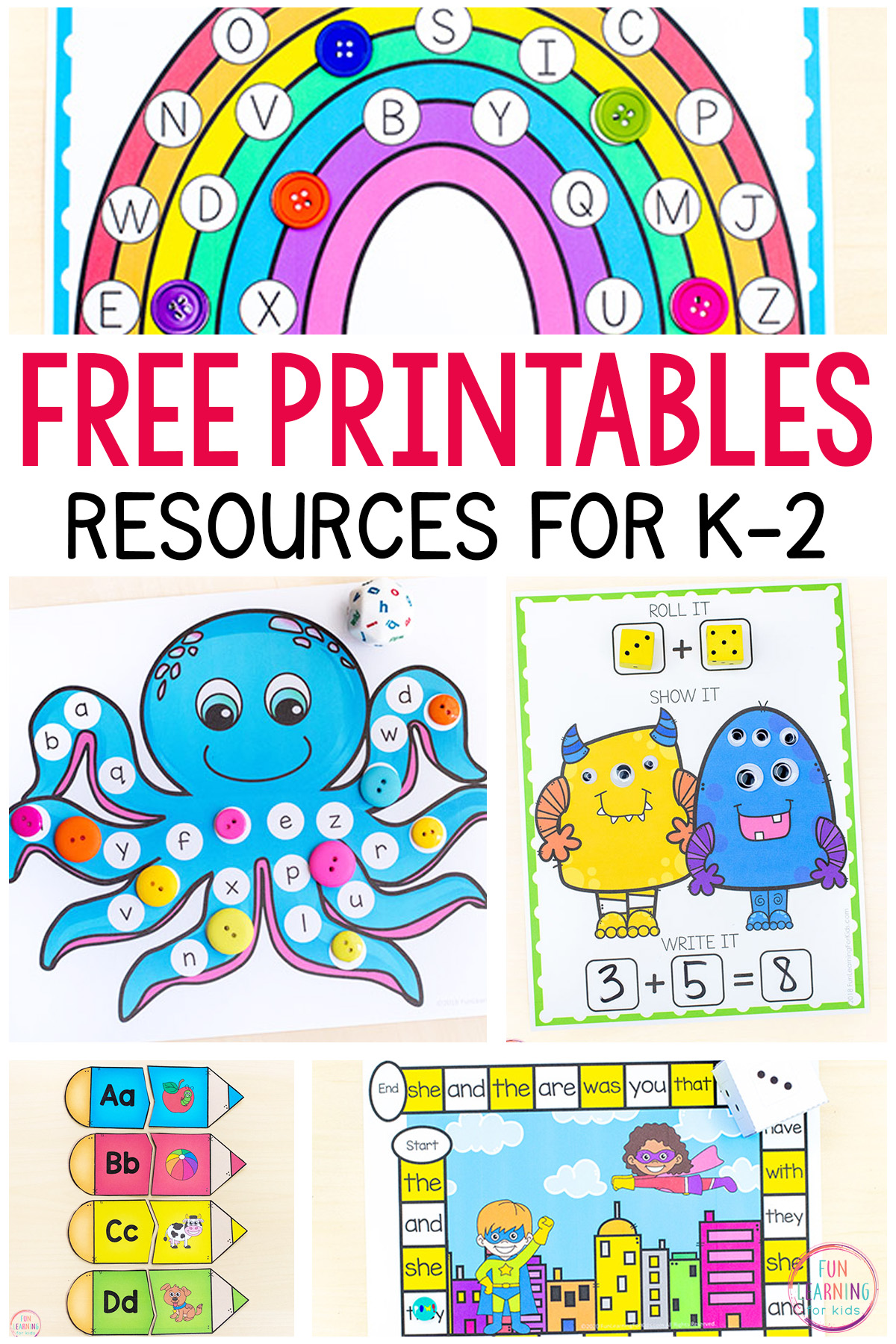
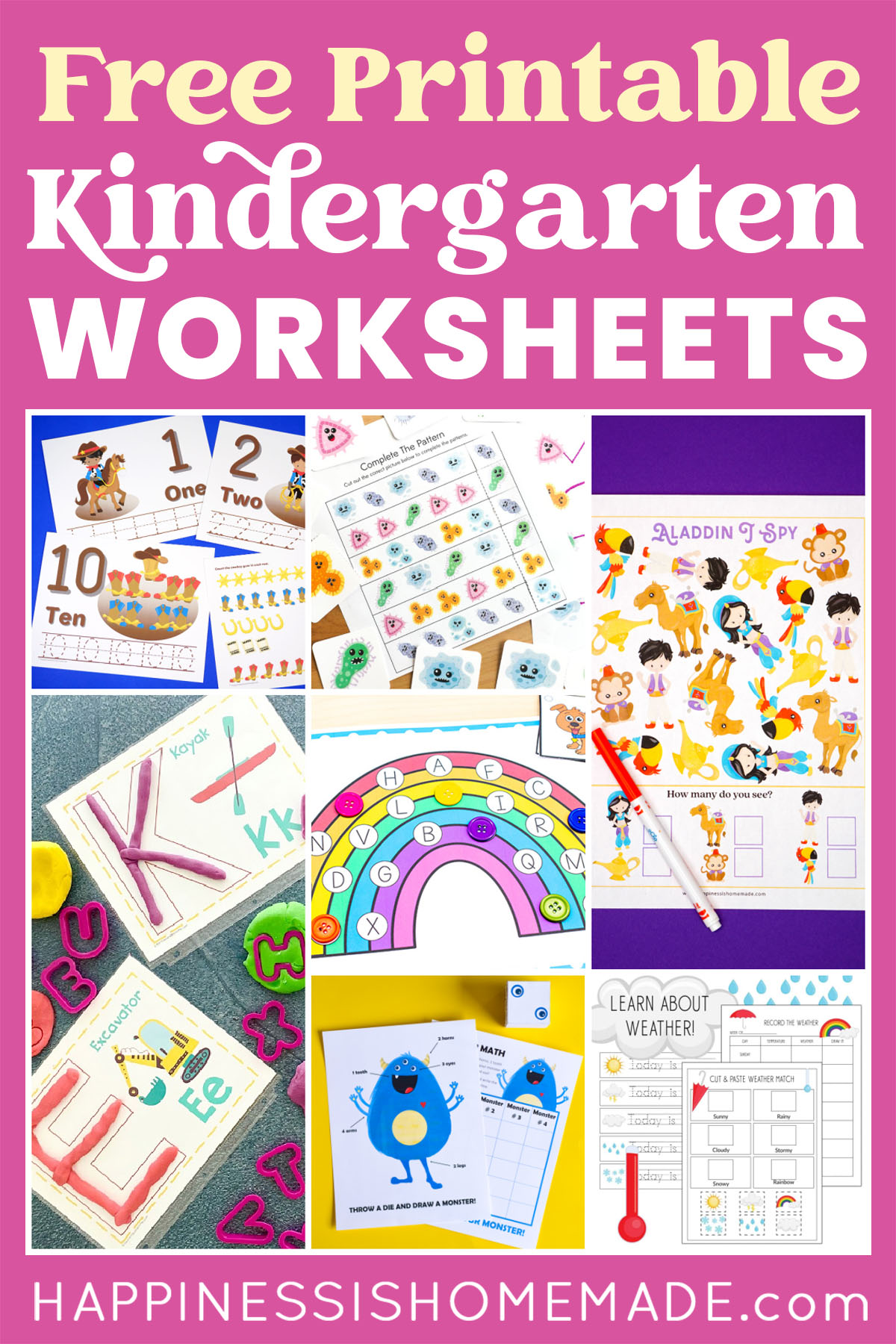
Introduction
Educational activities for kids in classroom settings fundamentally bridge cognitive development and visual literacy by transforming abstract spatial concepts into tangible, hands-on experiences. According to the National Association for the Education of Young Children (NAEYC), purposeful manipulation of structured visual materials directly accelerates early mathematical mapping, fine-motor precision, and observational analysis. Modern classrooms and homeschool environments require methodical instructional assets that systematically bridge artistic observation with foundational academic competencies. Utilizing Educational Activities provides educators with the structural framework needed to foster meaningful visual exploration.
Visual Learning & Skill Snapshot:
- Core Focus: Structured visual worksheets, grid drawing methodologies, and real-photo flashcard integration for early childhood classrooms.
- Target Skill: Spatial reasoning, visual discrimination, fine-motor proportion, and observation-based cognitive development.
- Key Recommendation: Pair photographic reference cards with scaled grid matrices to systematically anchor hand-eye coordination.
Core Principles and Visual Learning Overview
Structured visual learning activities build cognitive scaffolds by breaking complex pictorial compositions into manageable, bite-sized spatial coordinates. Utilizing printable Grid Drawing worksheets forces young learners to isolate individual segments of a larger image, dramatically improving concentration and relative proportion estimation. By shifting focus from the whole complex object to individual grid intersections, children develop systematic scanning patterns essential for reading fluency and geometric comprehension. Furthermore, integrating Photo Flashcards introduces authentic real-world imagery, replacing cartoon abstractions with genuine visual data that enhances semantic memory and vocabulary acquisition.
Key Specifications and Breakdown
| Age / Learning Stage | Visual Skill & Grid Ratio | Pedagogical Application & Scaffolding |
|---|---|---|
| Ages 3–4 (Early Learners) | 2×2 Grid Matrix (Simple shapes/photos) | Focuses on basic quadrant identification, object permanence, and fundamental vocabulary retention. |
| Ages 5–6 (Kindergarten) | 4×4 Grid Matrix (Natural objects/animals) | Builds proportional awareness, line accuracy, and direct observation of realistic photographic textures. |
| Ages 7–8 (Early Elementary) | 6×6 Grid Matrix (Complex scenes/details) | Refines spatial coordination, angle estimation, and independent analytical sketching routines. |
Visual-spatial training through structured grid scaling and photographic observation significantly improves foundational geometry readiness and cognitive mapping in young children. — National Art Education Association (NAEA)
Step-by-Step Practical Application and Printing Guidelines
Implementing printable visual resources requires high-contrast, distortion-free reproduction to ensure clear line visibility for developing eyes. Educators must print grid worksheets and photographic references on heavy cardstock (minimum 65 lb / 176 gsm) to prevent bleed-through and ensure durability during repeated pencil erasing and tactile handling. Laminating flashcard sets preserves visual clarity while allowing tactile tracing with dry-erase markers. Instructors should introduce one grid quadrant at a time using opaque masks or index cards, teaching children to ignore surrounding distractions and concentrate entirely on coordinating intersecting horizontal and vertical coordinates.
Common Challenges and How to Avoid Them
Rushing through proportional estimation without proper visual anchoring remains the most frequent hurdle encountered by young learners during structured drawing tasks. When children attempt to copy an entire image at once rather than focusing on individual grid cells, frustration and distortion naturally occur. Educators can eliminate this obstacle by demonstrating how to check reference points along grid borders before committing pencil strokes to paper. Providing simplified reference cards with bolder lines and larger grid ratios builds baseline confidence before progressing to intricate photographic details.
💬 Frequently Asked Questions
Explore More Free Learning Printables and Visual Activities on WePhotoAgency
Accessing high-quality visual pedagogy resources empowers educators and parents to cultivate deep observational skills and artistic confidence in young learners. Explore the complete collection of professionally designed educational materials, drawing sheets, and visual learning aids available directly through the main library at WePhotoAgency.com.
Visual Reference Gallery