Introduction
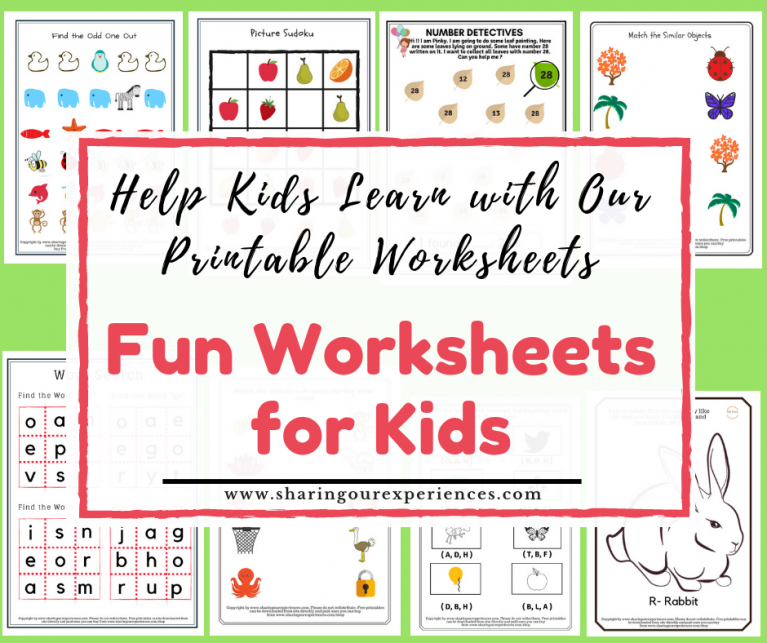
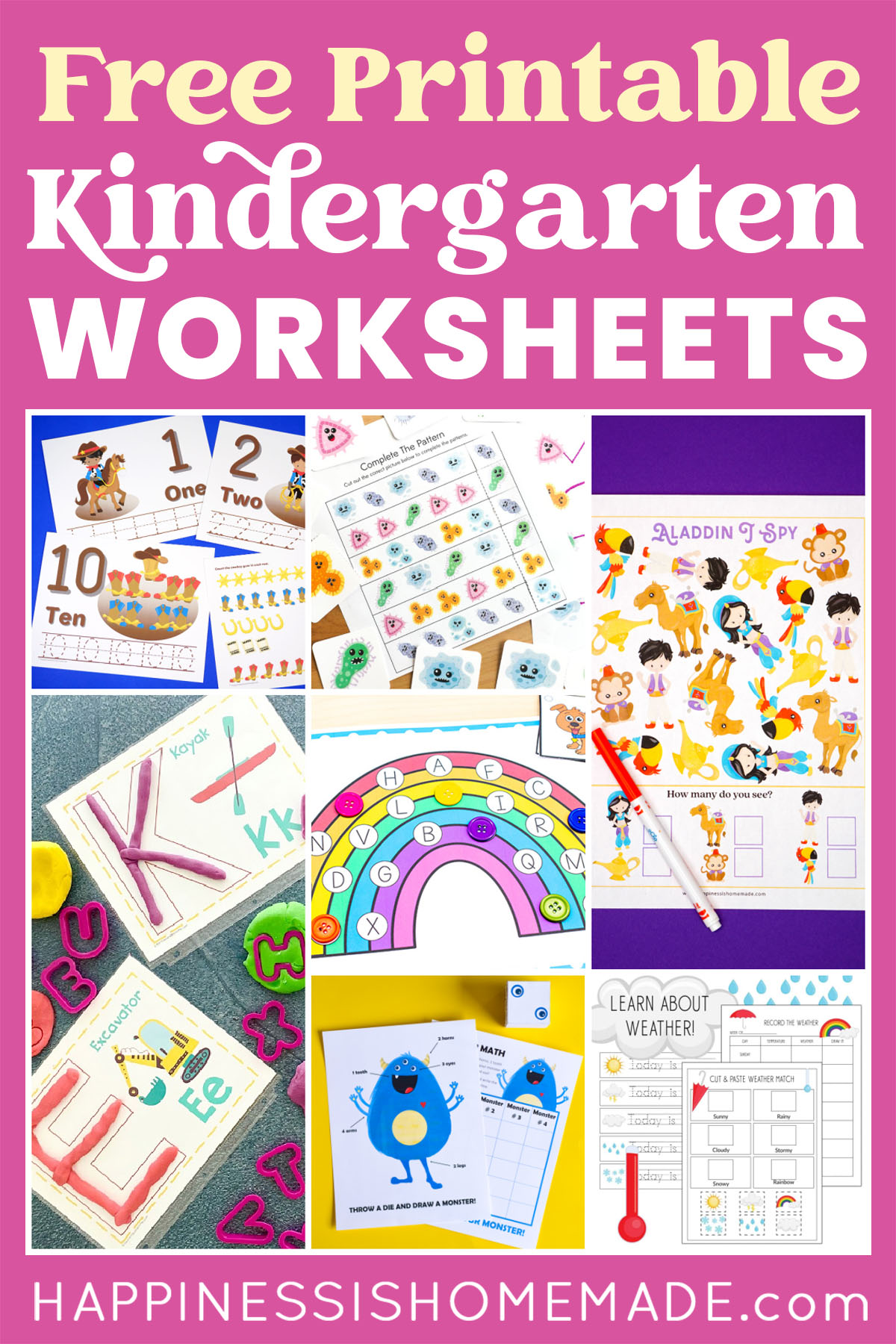
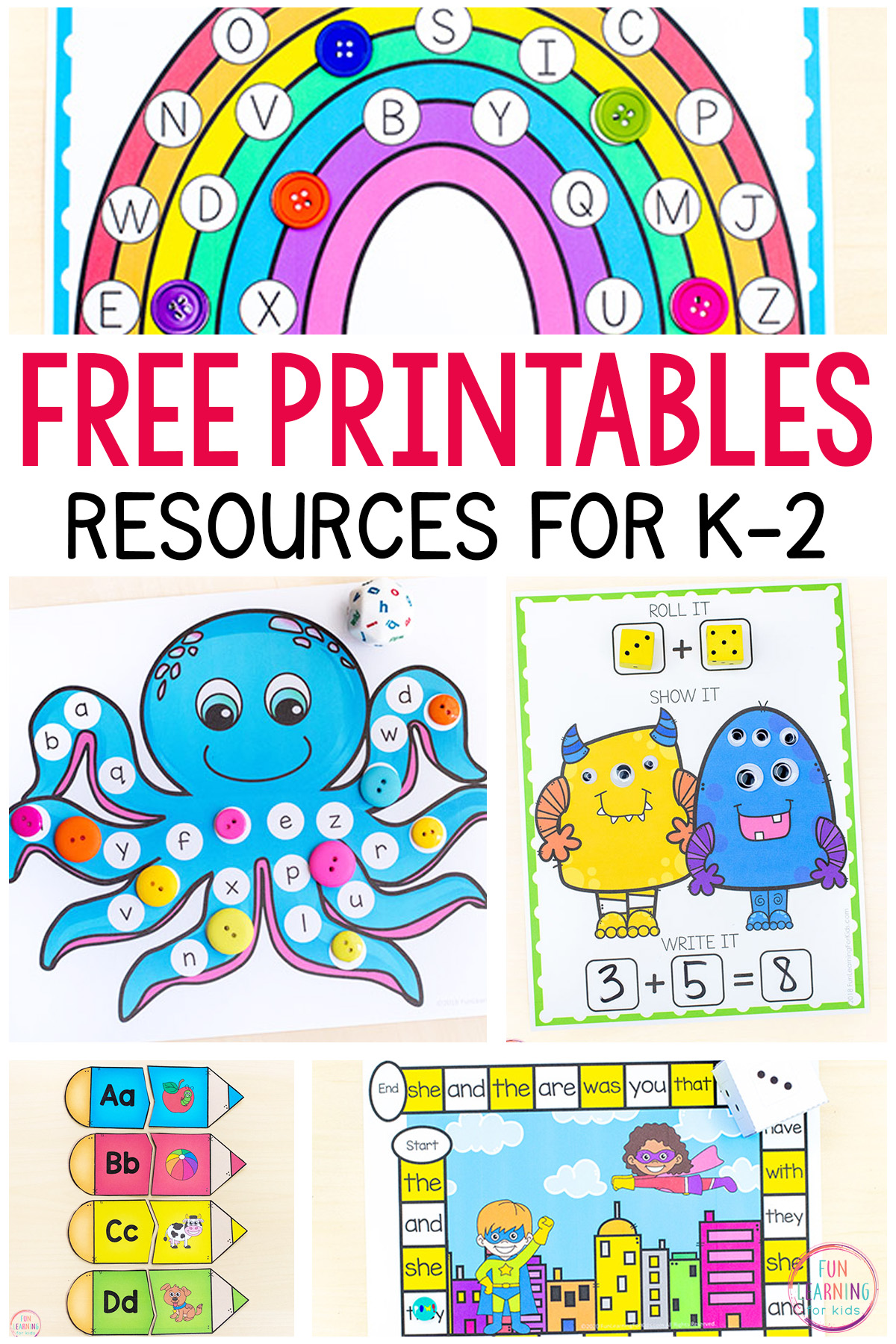
Fun educational activities for kids provide structured visual methodologies that accelerate spatial awareness, fine-motor coordination, and cognitive processing through hands-on materials. According to the National Association for the Education of Young Children (NAEYC), purposeful play involving visual-spatial manipulation directly reinforces early literacy, mathematical proportions, and observational problem-solving. Early childhood educators, homeschoolers, and art teachers continuously seek reliable resources to bridge creative play with tangible cognitive milestones. By integrating systematic resources such as Grid Drawing worksheets and authentic image-based learning tools, adults transform playtime into high-yield educational engagement that meets rigorous early childhood development standards.
Visual Learning & Skill Snapshot:
- Core Focus: Fun educational activities for kids leveraging grid worksheets and real photo flashcards to build spatial intelligence.
- Target Skill: Spatial reasoning, visual discrimination, fine-motor proportion estimation, and real-world object recognition.
- Key Recommendation: Implement low-ratio visual grids alongside high-contrast photographic cards to support progressive cognitive scaffolding.
Core Principles and Visual Learning Overview
Spatial reasoning and visual proportion estimation form the foundational pillars of advanced cognitive development in early elementary education. When children interact with structured Photo Flashcards, the brain rapidly decodes visual data, strengthening neural pathways responsible for pattern recognition and categorical grouping. Utilizing printables that break complex subjects into manageable coordinate quadrants eliminates learner overwhelm. This technique aligns seamlessly with established Educational Activities designed to cultivate independent observation, patience, and meticulous attention to detail in young learners.
Key Specifications and Breakdown
| Age / Learning Stage | Visual Skill & Grid Ratio | Pedagogical Application & Scaffolding |
|---|---|---|
| Ages 3–4 (Early Exploration) | 2×2 Grid / High-Contrast Images | Focuses on macro shape recognition and basic directional vocabulary without complex detail. |
| Ages 5–7 (Foundation Building) | 4×4 Grid / Real Photo Prompts | Encourages line coordination, proportional scaling, and deliberate visual tracking across axes. |
| Ages 8+ (Advanced Observation) | 6×6 Grid / Detailed Photography | Refines precision drawing, symmetry analysis, and independent error correction. |
Structured visual engagement systematically enhances neurological processing speed, spatial memory retention, and fine-motor execution in young children. — National Art Education Association (NAEA)
Step-by-Step Practical Application and Printing Guidelines
Executing effective visual lessons requires careful preparation of print materials and a distraction-free workspace. Educators must begin by selecting age-appropriate grid worksheets printed on heavy-weight matte cardstock to prevent bleed-through from pencils or markers. Next, pair each worksheet with a clear photographic reference card positioned directly adjacent to the drawing space to minimize eye strain and neck fatigue. Instruct children to isolate one grid square at a time, utilizing a blank framing card to block out surrounding visual clutter. This systematic isolation technique teaches young artists how to analyze line direction, negative space, and proportional relationships independently.
Common Challenges and How to Avoid Them
Frustration during visual exercises typically stems from premature scaling or attempting too many grid details at once. Children often jump across the entire page instead of completing one coordinate block, leading to distorted proportions and misplaced elements. Educators can eliminate this challenge by enforcing single-quadrant focus and providing pre-drawn landmark dots inside early worksheets to guide initial pencil strokes. Maintaining a supportive, process-oriented environment ensures that learners value observational accuracy and patience over immediate, flawless execution.
💬 Frequently Asked Questions
Explore More Free Learning Printables and Visual Activities on WePhotoAgency
Empowering children with robust spatial reasoning and creative confidence requires a reliable library of high-quality pedagogical resources. Explore the complete collection of developmental tools, drawing sheets, and visual learning guides by visiting WePhotoAgency.com to elevate daily instruction for young learners.
Visual Reference Gallery