Introduction
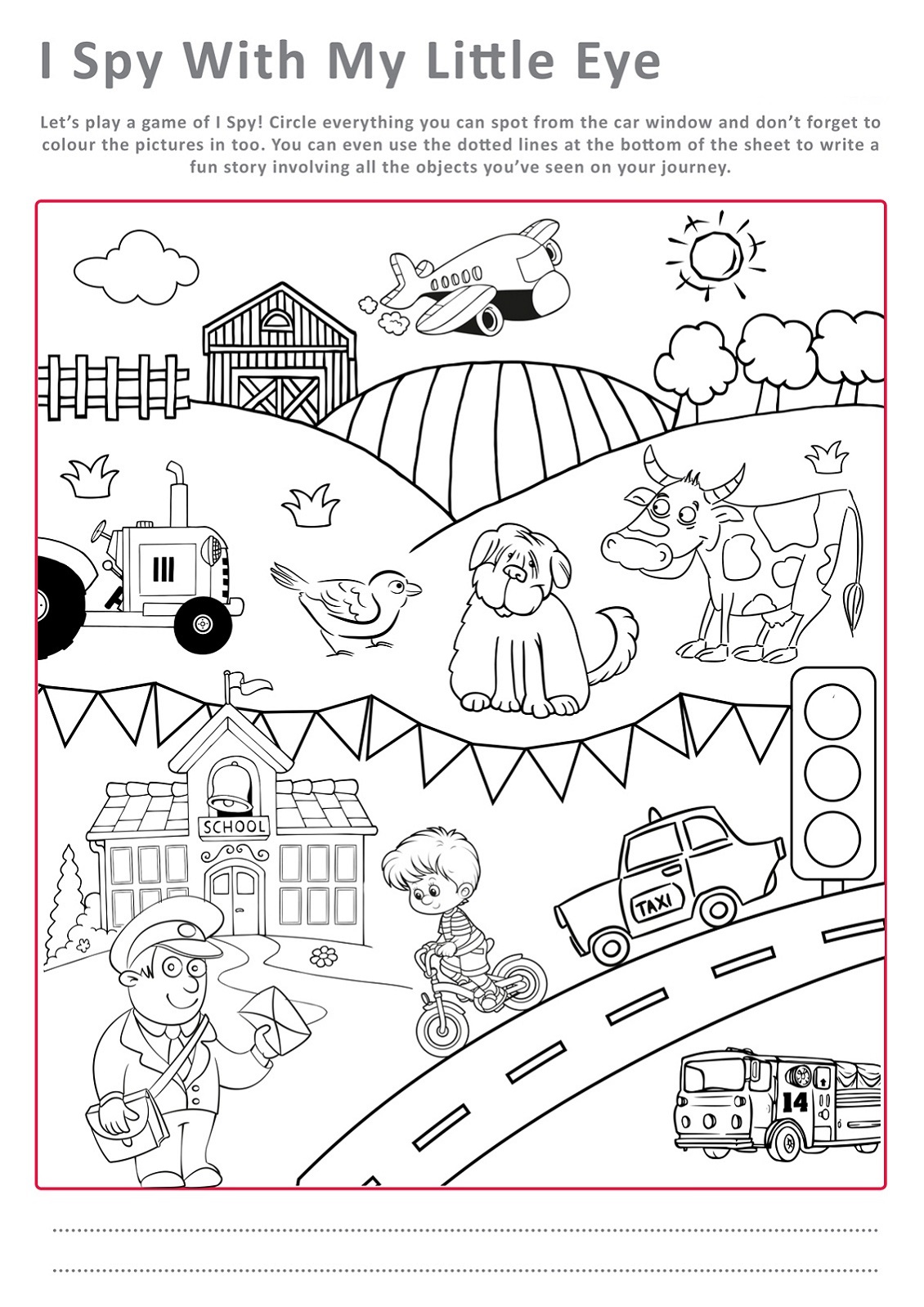
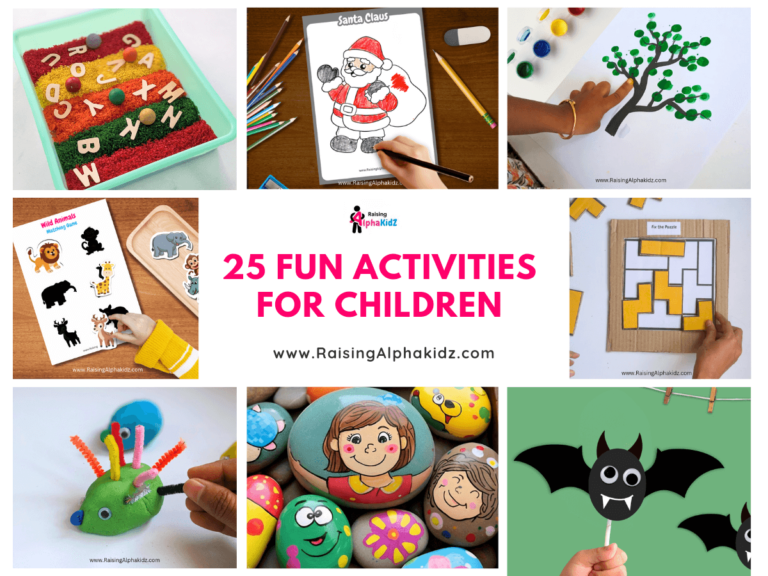
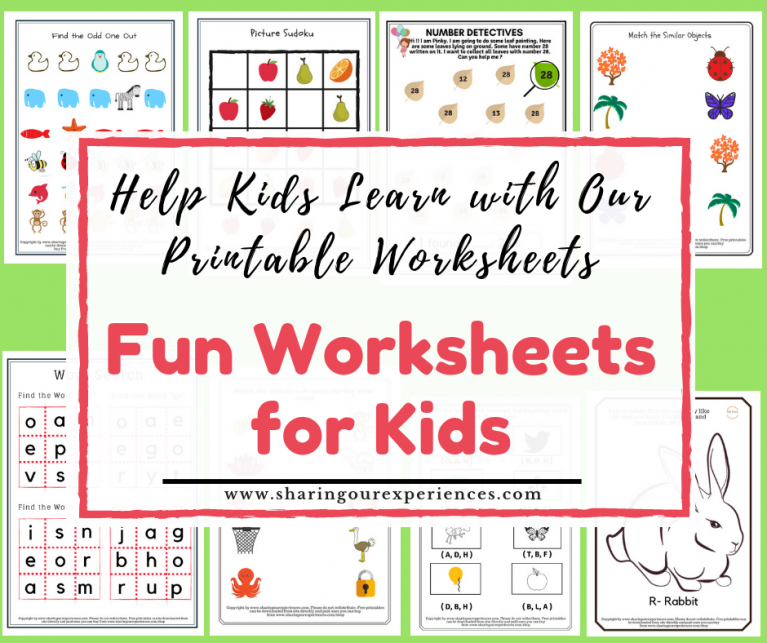
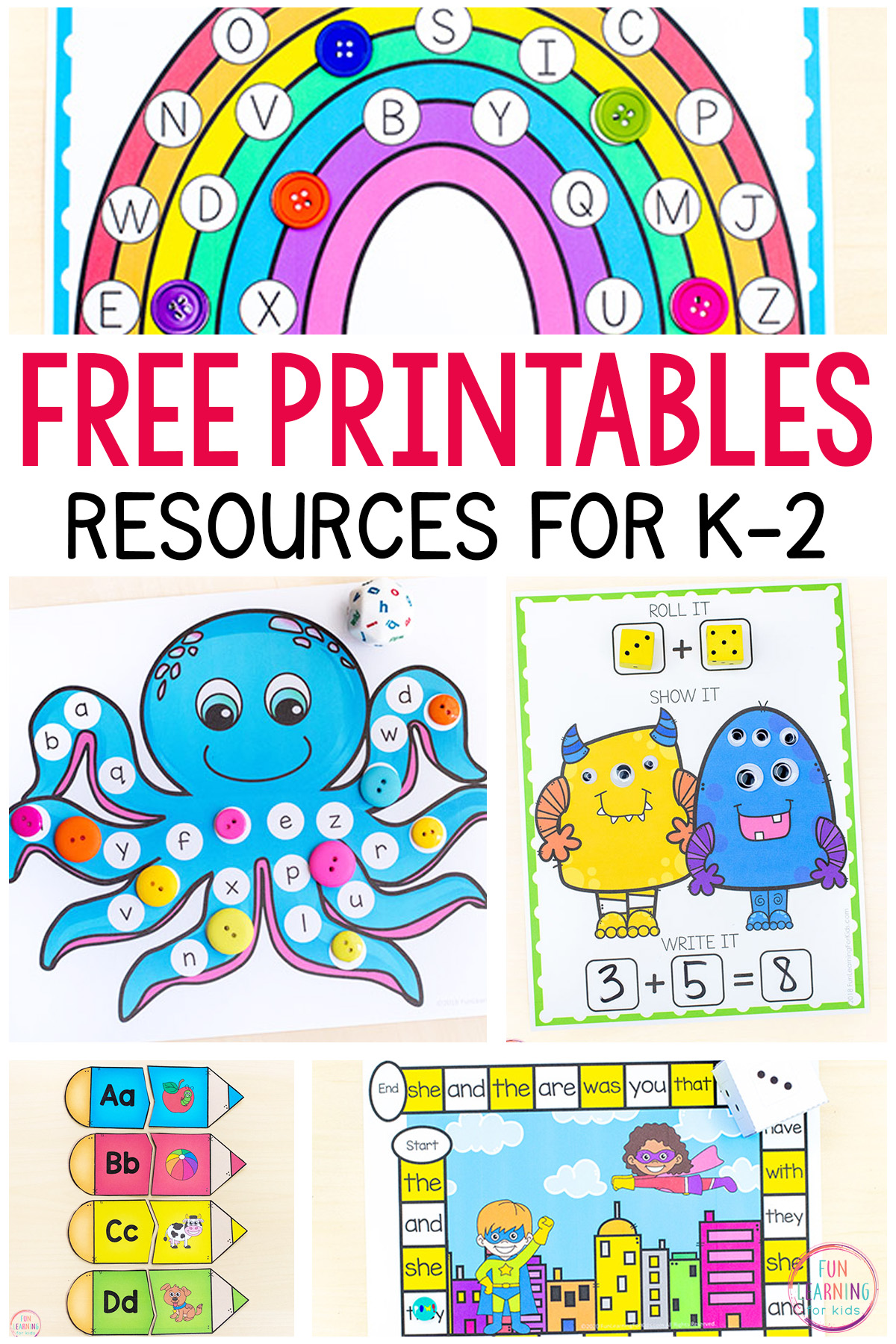
Structured printable worksheets and concrete visual tools transform unstructured downtime into rigorous cognitive development by anchoring creative expression in observational geometry and real-world reference points. According to the National Association for the Education of Young Children (NAEYC), purposeful manipulation of visual learning media builds foundational spatial reasoning, fine-motor coordination, and visual discrimination skills during early childhood development. By engaging with structured Educational Activities, young children learn to process complex visual stimuli, estimate spatial proportions accurately, and translate three-dimensional concepts onto two-dimensional drawing grids with confidence.
Visual Learning & Skill Snapshot:
- Core Focus: Implementing structured visual worksheets, grid drawing templates, and photographic flashcards at home.
- Target Skill: Spatial reasoning, visual discrimination, fine-motor proportion estimation, and cognitive observation.
- Key Recommendation: Pair high-contrast real photographic flashcards with progressive coordinate grid sheets to maximize neural mapping.
Core Principles and Visual Learning Overview
Cognitive observation requires the systematic breakdown of complex visual information into manageable component parts through structured grid scaling and photographic reference matching. Utilizing printable Grid Drawing exercises teaches children how to isolate coordinates, analyze line direction, and measure relative proportions without cognitive overload. Simultaneously, incorporating authentic Photo Flashcards replaces abstract cartoon interpretations with genuine photographic documentation, cultivating precise categorization, vocabulary acquisition, and real-world object recognition necessary for early elementary academic readiness.
Key Specifications and Breakdown
| Age / Learning Stage | Visual Skill & Grid Ratio | Pedagogical Application & Scaffolding |
|---|---|---|
| Ages 3-4 (Preschool) | Real-world photo matching, 2×2 grids | Builds basic visual vocabulary and object constancy using concrete imagery. |
| Ages 5-6 (Kindergarten) | Simple symmetry and 3×3 coordinate boxes | Encourages line tracking, spatial orientation, and fine-motor pencil control. |
| Ages 7-8 (Early Elementary) | Complex proportion mapping, 4×4+ grids | Refines analytical breakdown, mathematical coordinate mapping, and artistic detail. |
Visual-spatial integration training directly correlates with enhanced mathematical problem-solving capacity and geometric reasoning in early childhood development. — National Art Education Association (NAEA)
Step-by-Step Practical Application and Printing Guidelines
Executing structured visual activities at home requires establishing an organized, well-lit workstation equipped with heavy-weight matte cardstock, sharp graphite pencils, and high-contrast printed worksheets. Educators and parents should first introduce the reference image or flashcard independently, prompting children to identify key geometric anchor points, centerlines, and outer boundaries before transferring pencil strokes onto the corresponding grid squares. Maintaining strict printing parameters—such as scaling print files to 100 percent without automatic tile stretching—ensures that grid ratios remain perfectly square, preserving accurate proportion estimation and eliminating visual distortion during drafting.
Common Challenges and How to Avoid Them
Frustration during visual proportion tasks typically stems from starting with overly complex coordinate matrices or neglecting to establish initial center-point landmarks on the worksheet. Guiding young learners to cover the unused grid squares with a blank index card isolates their current working zone, minimizing visual distraction and sharpening direct hand-eye coordination. Providing non-erasable ink pens too early stifles risk-taking; therefore, always mandate soft graphite pencils alongside kneaded erasers to encourage iterative drafting, reflective observation, and stress-free visual correction.
💬 Frequently Asked Questions
Explore More Free Learning Printables and Visual Activities on WePhotoAgency
Empowering young learners with engaging, evidence-based visual tools fosters lifelong academic curiosity and artistic precision. Access an extensive, professionally curated collection of developmental resources, printable coordination sheets, and developmental art modules by visiting WePhotoAgency.com to support early childhood growth at home and in the classroom.
Visual Reference Gallery