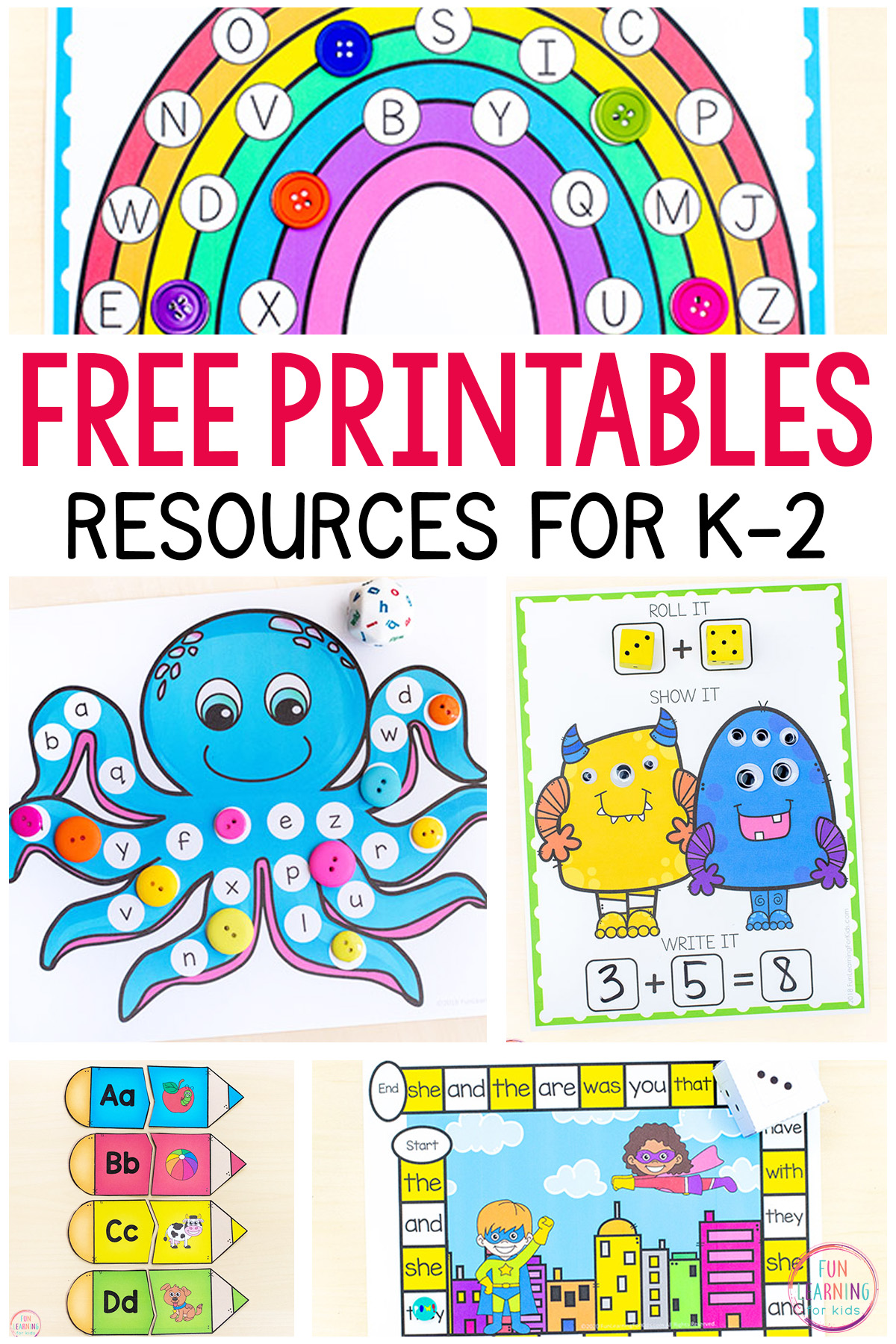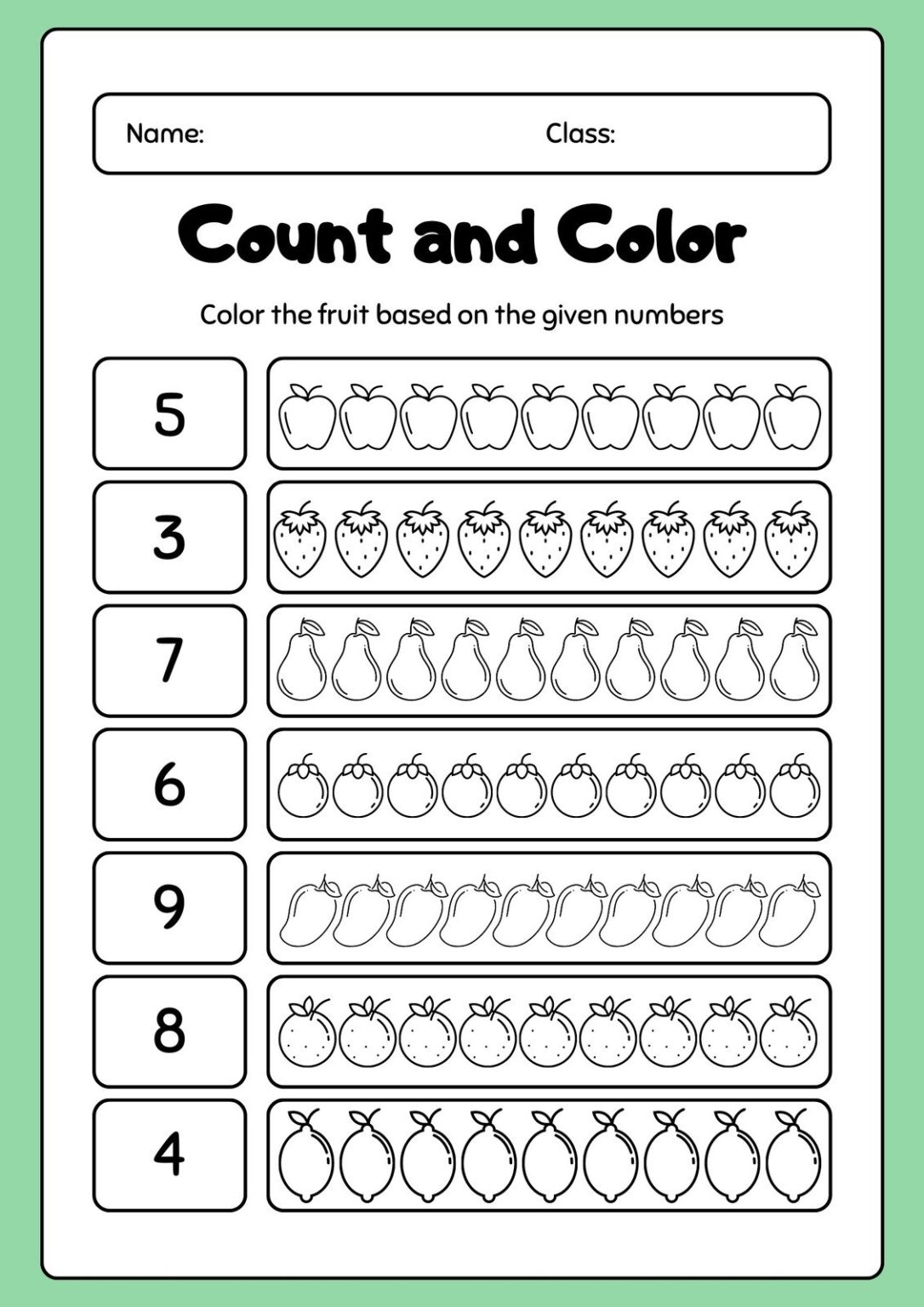
Introduction
Fun but educational games for kids systematically bridge cognitive development and visual art literacy through structured tactile play. According to the National Association for the Education of Young Children (NAEYC), intentional play-based visual activities actively strengthen neural pathways governing spatial awareness, fine-motor coordination, and visual-spatial reasoning in early childhood. By integrating Grid Drawing exercises and photographic prompts, educators and parents transform recreational downtime into rigorous skill-building sessions. These resources cultivate deep observation habits, teaching young minds to deconstruct complex visual stimuli into manageable geometric components without inducing academic fatigue.
Visual Learning & Skill Snapshot:
- Core Focus: Fun but educational games for kids blend art, geometry, and cognitive recognition through hands-on printables.
- Target Skill: Spatial reasoning, visual discrimination, fine-motor proportion, and photo-based concept mastery.
- Key Recommendation: Pair photographic prompts with segmented grid lines to systematically scaffold proportion estimation.
Core Principles and Visual Learning Overview
Spatial intelligence and proportional accuracy develop most rapidly when children engage in structured observational tasks that isolate individual coordinates. Utilizing printable Photo Flashcards alongside geometric graphing worksheets encourages learners to cross-reference real-world photographic details with abstract grid allocations. This dual-hemisphere engagement enhances ocular-motor control, visual memory retention, and analytical problem-solving. Educators leverage these tactile formats to transition children from intuitive scribbling to deliberate, measurement-based composition, reinforcing mathematical symmetry through creative expression.
Key Specifications and Breakdown
| Age / Learning Stage | Visual Skill & Grid Ratio | Pedagogical Application & Scaffolding |
|---|---|---|
| Ages 4-5 (Early Explorers) | 2×2 simple grid, macro photo objects | Focuses on basic contour recognition and gross hand-eye alignment using bold photographic references. |
| Ages 6-7 (Developing Artists) | 4×4 standard grid, natural elements | Teaches coordinate mapping, proportion estimation, and segment isolation via detailed nature flashcards. |
| Ages 8-10 (Advanced Observers) | 6×6 complex grid, architectural/portrait subjects | Refines precision shading, scale translation, and multi-point visual analysis using realistic photographic arrays. |
Structured visual activities directly correlate with enhanced cognitive mapping and fine-motor precision in young learners. — National Art Education Association (NAEA)
Step-by-Step Practical Application and Printing Guidelines
Executing tactile visual games requires heavy-weight matte cardstock (at least 65 lb / 176 gsm) to withstand repeated handling and pencil erasing without tearing. Begin by selecting high-contrast photographic prompts that feature clear subject boundaries against neutral backgrounds. Distribute matching grid worksheets, instructing children to analyze one individual square at a time rather than attempting to draw the entire image simultaneously. This segmentation technique eliminates cognitive overload, ensuring students maintain accurate proportions and build sustainable observational habits during every Educational Activity session.
Common Challenges and How to Avoid Them
Frustration during visual grid exercises typically stems from children attempting to replicate entire complex objects simultaneously instead of working cell by cell. Prevent this hurdle by providing opaque cardboard viewing windows that isolate a single grid square, forcing the brain to process lines, angles, and negative space independently. Furthermore, ensure that printing scaling is locked at 100% to prevent distortion of the aspect ratio. Scaffolding initial sessions with oversized 2×2 grids builds sufficient confidence before introducing intricate photographic subjects.
💬 Frequently Asked Questions
Explore More Free Learning Printables and Visual Activities on WePhotoAgency
Maximizing early childhood development outcomes requires a diverse, accessible library of professional-grade visual resources and printable tools. Discover an expansive collection of developmental exercises, drawing grids, and cognitive learning materials by visiting WePhotoAgency.com to empower every young learner today.
Visual Reference Gallery