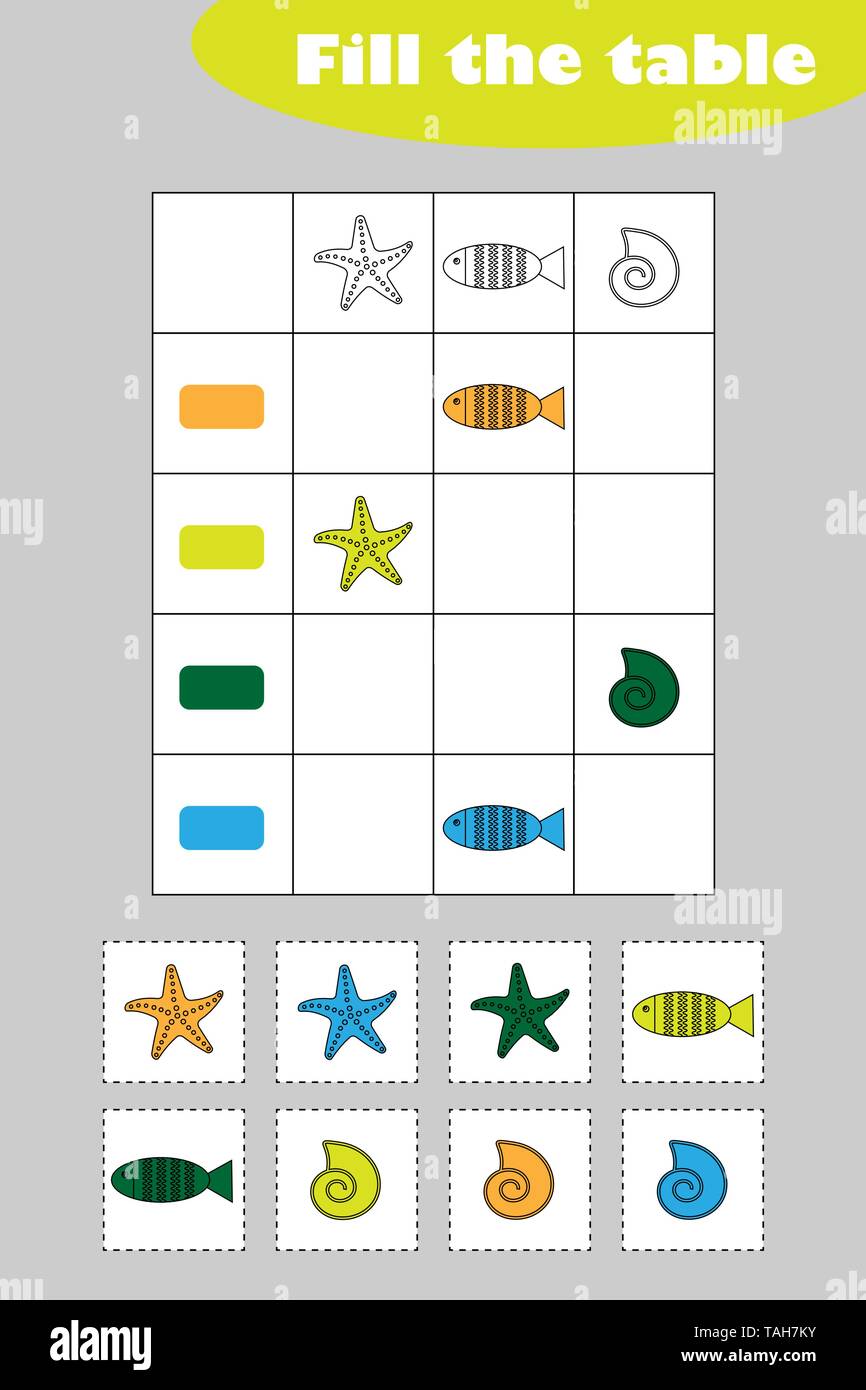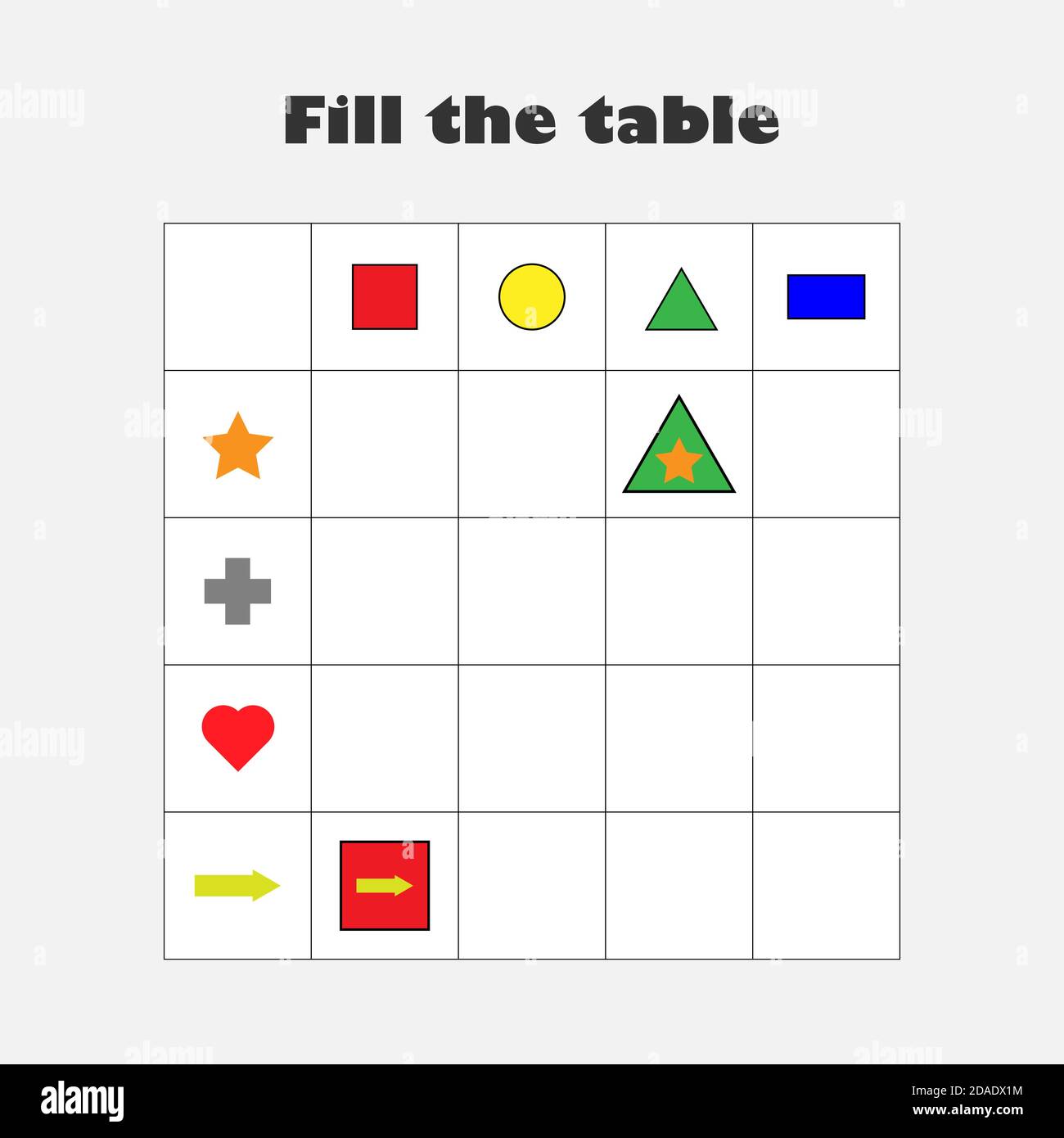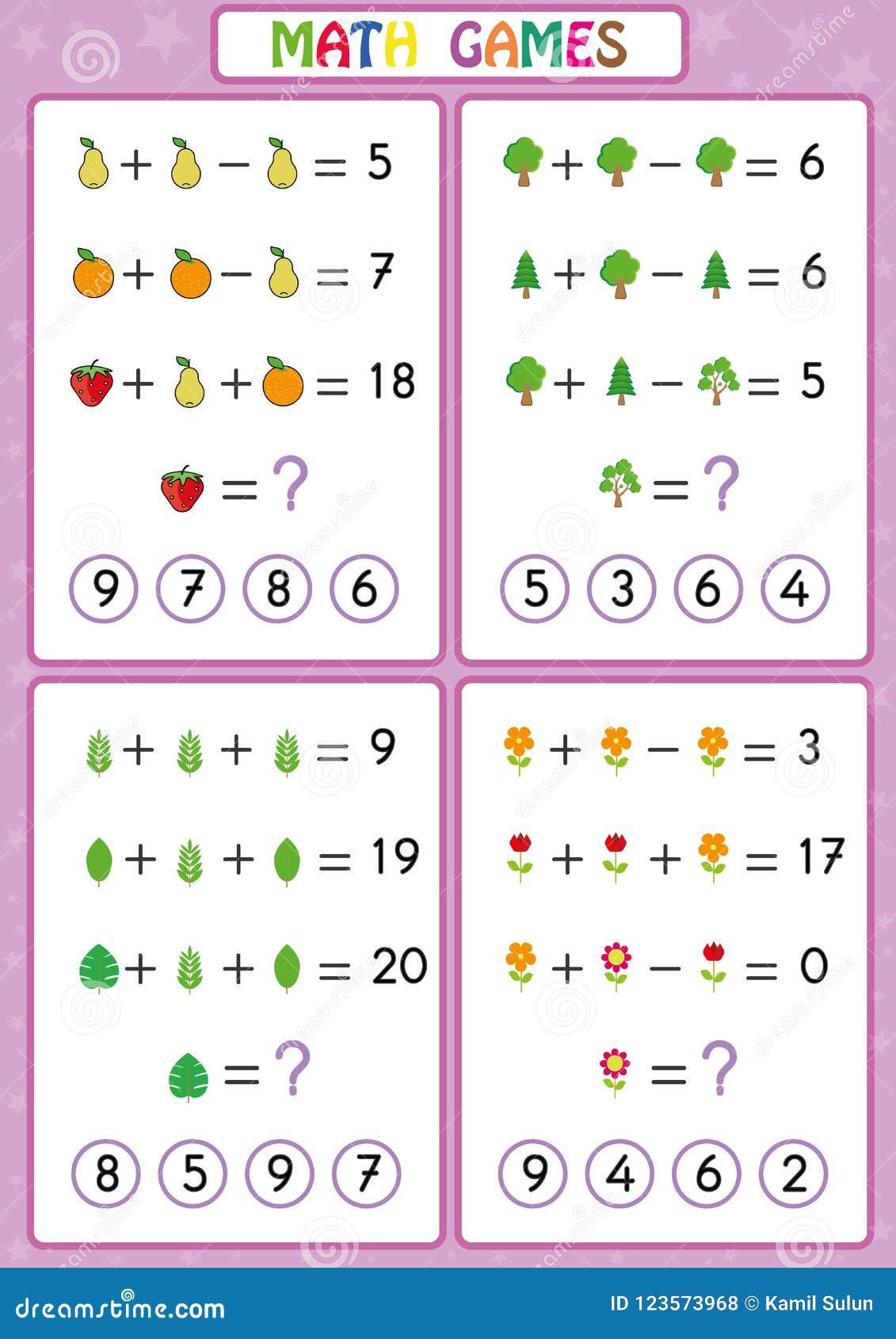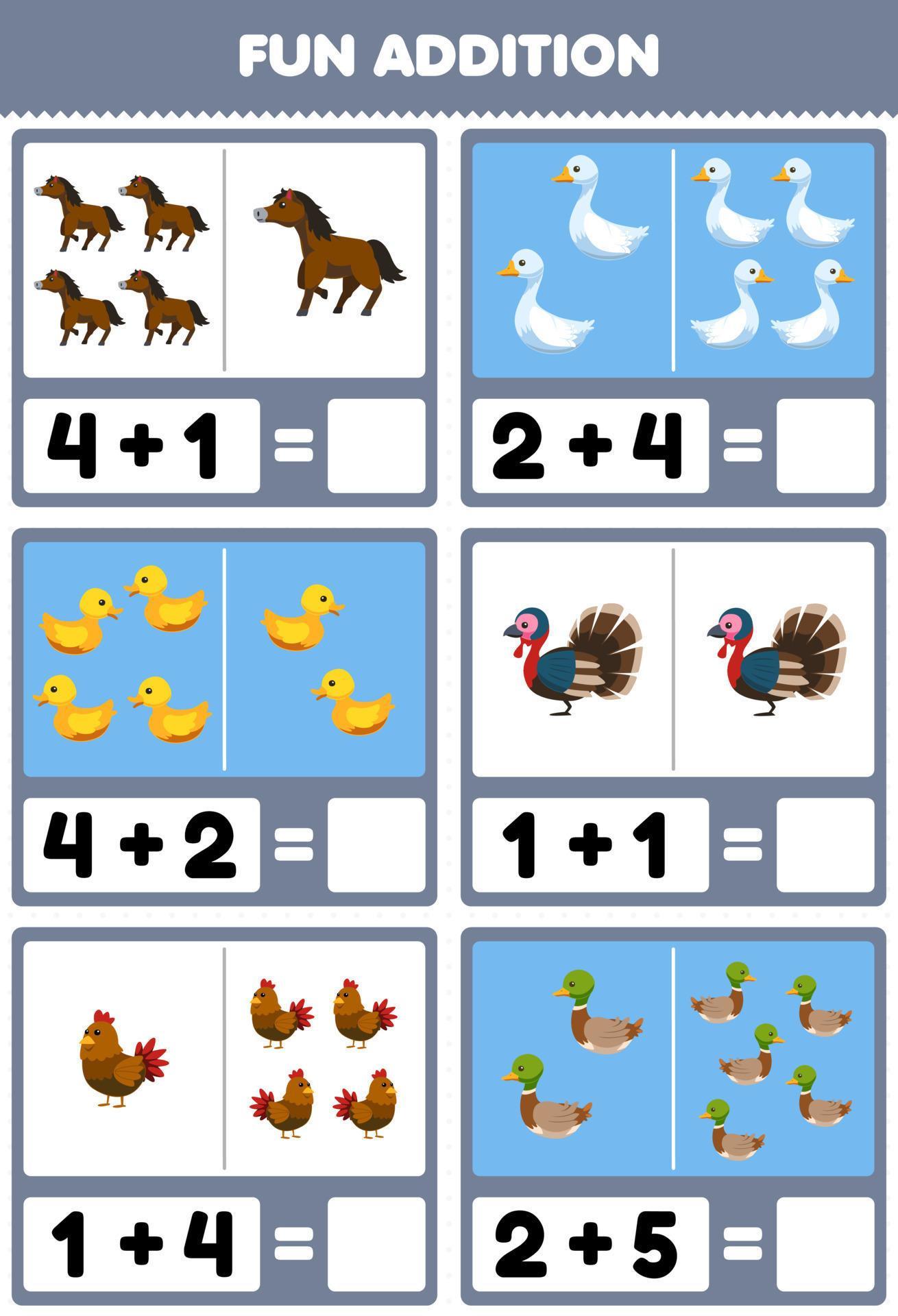
Introduction
Fun and educational games for kids serve as vital cognitive catalysts that systematically bridge hands-on play with advanced visual literacy, spatial reasoning, and critical proportion estimation. According to the National Association for the Education of Young Children (NAEYC), purposeful play involving structured visual materials fundamentally supports neurological development, fine-motor coordination, and early academic readiness in young learners. By integrating printable grid drawing worksheets and realistic reference materials, educators and parents can transform abstract geometry into an accessible, highly engaging challenge. Fostering these foundational competencies early establishes strong pathways for mathematical comprehension and artistic confidence. Providing children with scaffolded visual games ensures they master scale, symmetry, and detail orientation through enjoyable, self-paced exploration.
Visual Learning & Skill Snapshot:
- Core Focus: Fun and educational games for kids utilizing printable grid drawing and photographic visual flashcards.
- Target Skill: Spatial reasoning, visual discrimination, fine-motor proportion, and observation accuracy.
- Key Recommendation: Pair high-contrast photo references with simplified grid scales to build unshakeable foundational confidence.
Core Principles and Visual Learning Overview
Structuring fun and educational games for kids around concrete observational tools requires balancing cognitive challenge with achievable creative milestones. Utilizing Grid Drawing exercises breaks down complex imagery into manageable coordinate squares, training young brains to isolate shapes rather than relying on conceptual symbols. Simultaneously, incorporating real-world Photo Flashcards replaces generic cartoons with authentic textures, lighting, and proportions, thereby sharpening visual discrimination skills. Educators find that combining structured grid scaling with vibrant photographic prompts accelerates hand-eye coordination and teaches children to measure distances visually. This methodology grounds early art education in rigorous cognitive science while maintaining an atmosphere of playful discovery and artistic experimentation.
Key Specifications and Breakdown
| Age / Learning Stage | Visual Skill & Grid Ratio | Pedagogical Application & Scaffolding |
|---|---|---|
| Ages 4-5 (Early Years) | 2×2 or 3×3 simple grids with high-contrast macro images | Focuses on basic quadrant identification, gross shape recognition, and thick-grip crayon control. |
| Ages 6-8 (Early Elementary) | 4×4 to 6×6 standard grids with real photo animal references | Develops line precision, scale estimation, and meticulous cross-checking of coordinate boundaries. |
| Ages 9-11 (Advanced Elementary) | 8×8 complex architectural or natural world grids | Enhances proportional accuracy, negative space awareness, and independent detail rendering. |
Visual-spatial activities directly strengthen the parietal lobe pathways responsible for mathematical scaling and geometric comprehension. — National Art Education Association (NAEA). For more related activities, check out our Fun Educational Activities For Kids Near Me.
Step-by-Step Practical Application and Printing Guidelines
Executing fun and educational games for kids effectively demands clean print production, robust paper selection, and clear working environments to minimize learner frustration. Select heavy cardstock or matte presentation paper for printable worksheets to prevent pencil bleed-through and ensure durability during repeated erasing. Begin by introducing the reference photograph or master image alongside its gridded counterpart, explaining how each individual square acts as a puzzle piece within a larger mosaic. Guide children to complete one square at a time, checking surrounding grid lines to maintain correct proportions before moving outward. Educators should encourage learners to cover unworked sections with a blank sheet of paper to isolate the immediate focal box, thereby reducing cognitive overload and enhancing deep concentration.
Common Challenges and How to Avoid Them
Addressing common pitfalls in fun and educational games for kids prevents cognitive fatigue and ensures long-term enthusiasm for visual arts and spatial learning. A frequent obstacle occurs when children attempt to draw entire objects across multiple grid lines simultaneously, leading to warped proportions and skewed perspective. To counteract this tendency, remind learners to search for intersection points where lines cross grid boundaries before sketching contours. Another common challenge involves working with overly complex reference images that feature low contrast or distracting backgrounds. Providing clear, high-resolution photographic subjects ensures that young artists can easily distinguish primary outlines from ambient shadows, fostering immediate success and building durable self-efficacy.
💬 Frequently Asked Questions
Explore More Free Learning Printables and Visual Activities on WePhotoAgency
Unlocking the full potential of visual literacy requires continuous access to diverse, high-quality, and professionally designed learning assets that engage growing minds. Parents, teachers, and homeschoolers can discover a comprehensive library of hands-on resources by visiting WePhotoAgency.com for an extensive collection of Educational Activities designed to inspire creativity. Consistent integration of these printable tools guarantees that children develop robust spatial intelligence, artistic precision, and a lifelong passion for discovery.
Visual Reference Gallery