Introduction
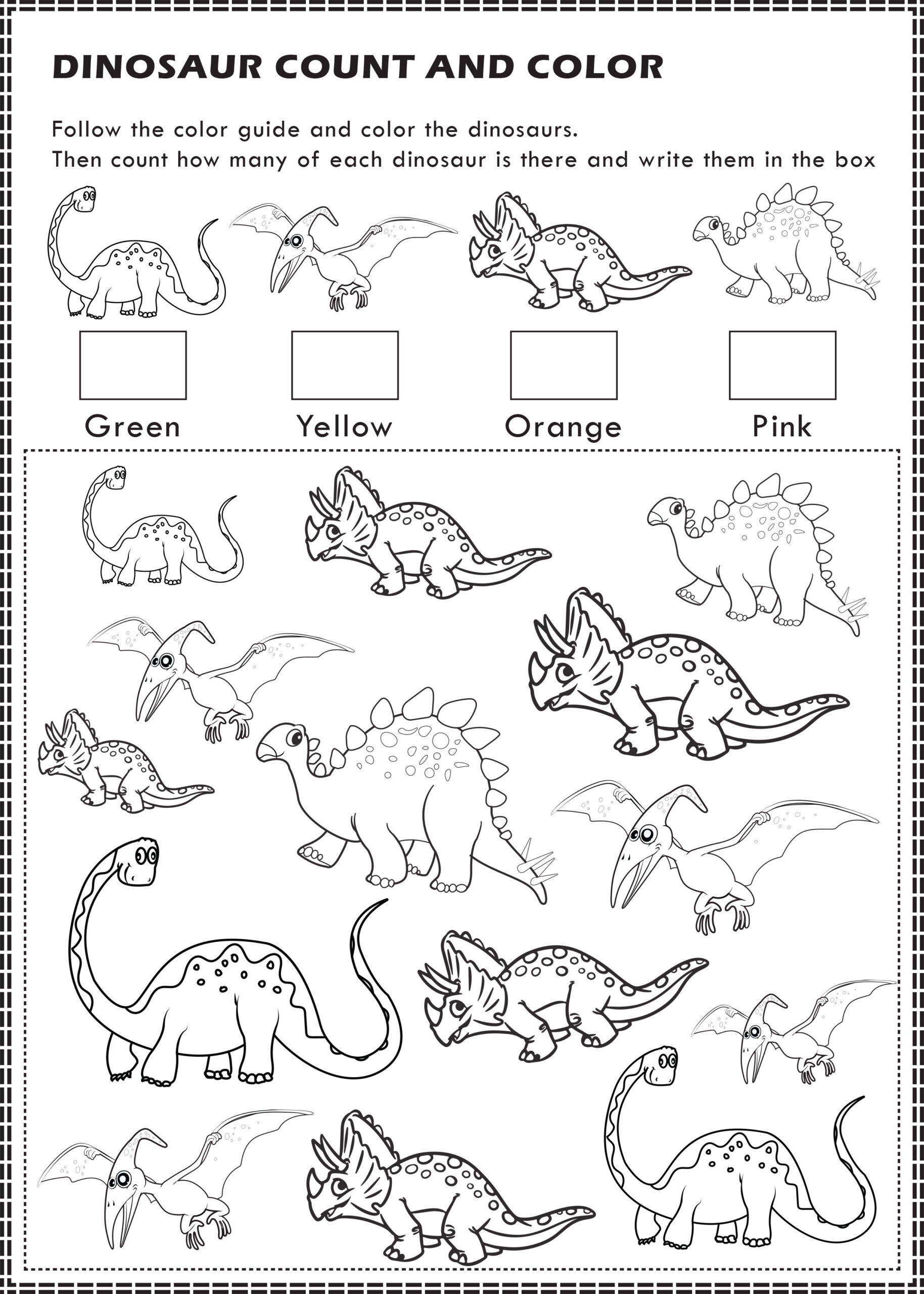
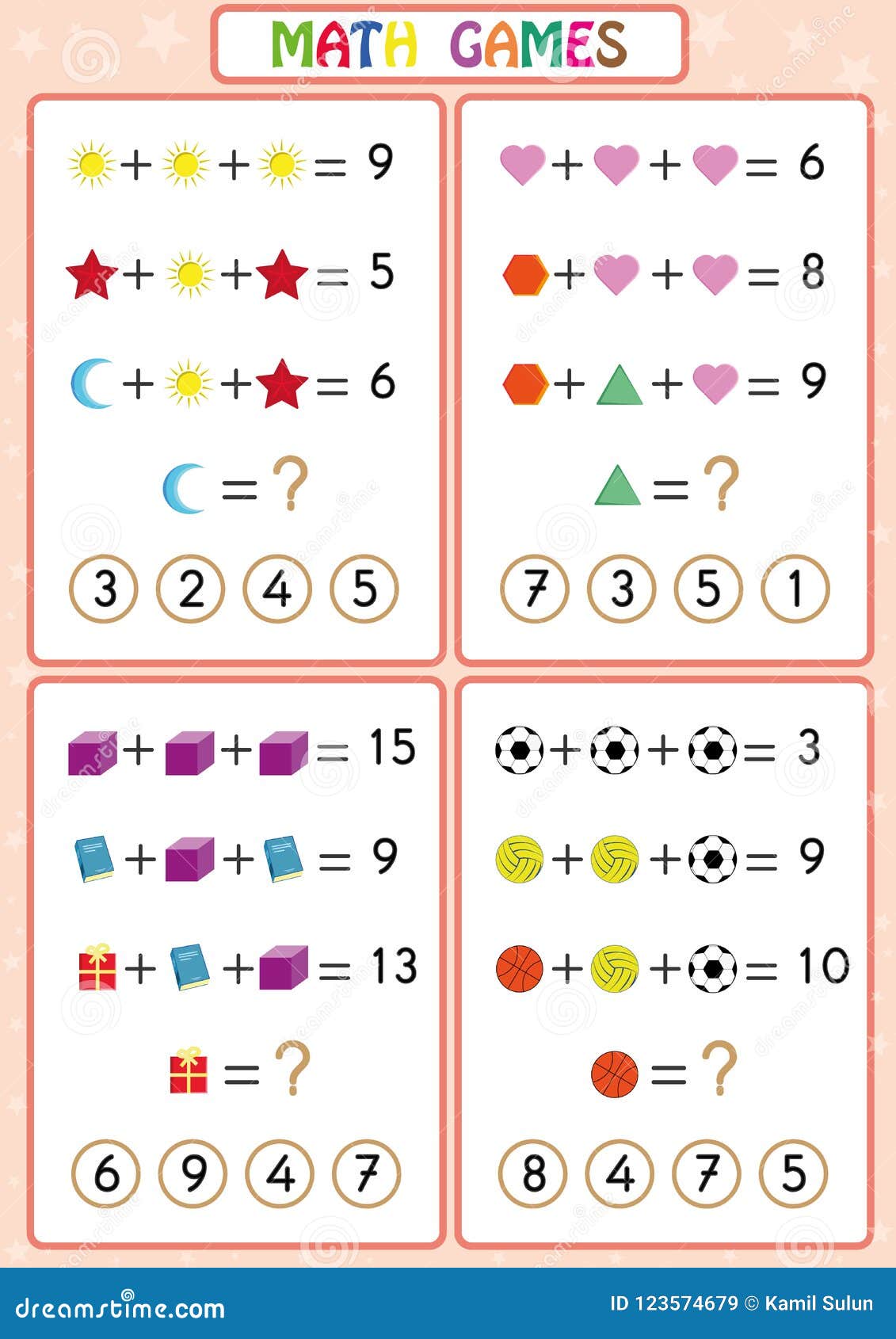
Fun and educational activities for kids are structured hands-on tasks that combine playful exploration with targeted cognitive development to build essential visual-spatial competencies. According to the National Association for the Education of Young Children (NAEYC), intentional play-based visual arts and spatial reasoning exercises significantly enhance early mathematical thinking, fine motor control, and neurological connectivity in young children. Educators, parents, and homeschoolers can utilize structured Educational Activities to bridge the gap between abstract academic concepts and concrete physical manipulation. By integrating deliberate visual frameworks—such as printable grid worksheets and photographic reference material—children learn to process visual data systematically, isolate geometric shapes, and accurately estimate spatial proportions. These foundational tasks transform unstructured playtime into highly productive developmental milestones without sacrificing the joy of artistic expression.
Visual Learning & Skill Snapshot:
- Core Focus: Fun and educational activities for kids utilizing printable grid worksheets and real photographic reference materials.
- Target Skill: Spatial reasoning, visual discrimination, fine-motor proportion estimation, and structured observation.
- Key Recommendation: Pair high-contrast photo flashcards with matching grid drawing templates to scaffold multi-step visual analysis.
Core Principles and Visual Learning Overview
Structured visual learning methodologies rely on breaking complex visual stimuli into manageable coordinate squares and high-contrast photographic cues to prevent cognitive overload. When children engage with Grid Drawing exercises, the brain actively practices coordinate mapping, scaling, and lateral thinking by transferring line segments from one grid block to another. Simultaneously, utilizing Photo Flashcards grounds abstract learning in reality, presenting authentic objects, animals, and environments that sharpen visual discrimination and vocabulary acquisition. This dual approach trains young learners to observe details they might otherwise overlook, systematically improving hand-eye coordination, perceptual constancy, and manual dexterity through repeated, low-stress practice.
Key Specifications and Breakdown
| Age / Learning Stage | Visual Skill & Grid Ratio | Pedagogical Application & Scaffolding |
|---|---|---|
| Ages 3-4 (Early Preschool) | 2×2 or 3×3 simple grids; macro photo cards | Focuses on color recognition, gross shape matching, and basic tactile orientation. |
| Ages 5-7 (Kindergarten / Grade 1) | 4×4 coordinate grids; detailed real photo references | Develops line precision, spatial proportion estimation, and quadrant isolation. |
| Ages 8-10 (Early Elementary) | 6×6 or complex multi-cell grids; abstract photographic scenes | Enhances advanced perspective rendering, scaling accuracy, and independent analytical drawing. |
Visual arts education provides foundational scaffolding for spatial intelligence, geometric reasoning, and non-verbal problem-solving capabilities across early childhood development. — National Art Education Association (NAEA)
Step-by-Step Practical Application and Printing Guidelines
Implementing printable visual worksheets requires clear prep work, high-contrast settings, and durable lamination to maximize repetition and engagement. Educators should begin by selecting age-appropriate grid sheets that match the child’s current fine motor capability, ensuring line weights are dark and clearly legible on standard 8.5×11-inch white cardstock. Place the reference photo card directly alongside the blank coordinate worksheet to encourage side-by-side visual comparison rather than vertical head tilting. Instruct young learners to isolate one single grid square at a time using a paper mask or viewfinder card, drawing the intersecting lines meticulously before moving to adjacent cells. Regular printer calibration and matte-finish lamination allow children to practice repeatedly with dry-erase markers, transforming single-use printables into reusable developmental tools.
Common Challenges and How to Avoid Them
Children frequently encounter frustration when attempting to copy entire complex images simultaneously without breaking them down into isolated coordinate sectors. Educators can mitigate this hurdle by teaching learners to scan the reference image for primary anchor points, such as where a diagonal line crosses a grid intersection, before filling in minor shading or contours. Another common obstacle involves hand fatigue caused by improper pencil grip during extended drawing sessions; incorporating short tactile breaks and triangular ergonomic grips instantly relieves muscular tension. Providing supportive, process-oriented feedback that praises careful observation rather than flawless final execution keeps motivation high and eliminates perfectionist anxiety.
💬 Frequently Asked Questions
Explore More Free Learning Printables and Visual Activities on WePhotoAgency
Discover a comprehensive library of developmental resources, printable templates, and creative inspiration by visiting the main portal at WePhotoAgency.com to elevate daily early childhood education.
Visual Reference Gallery