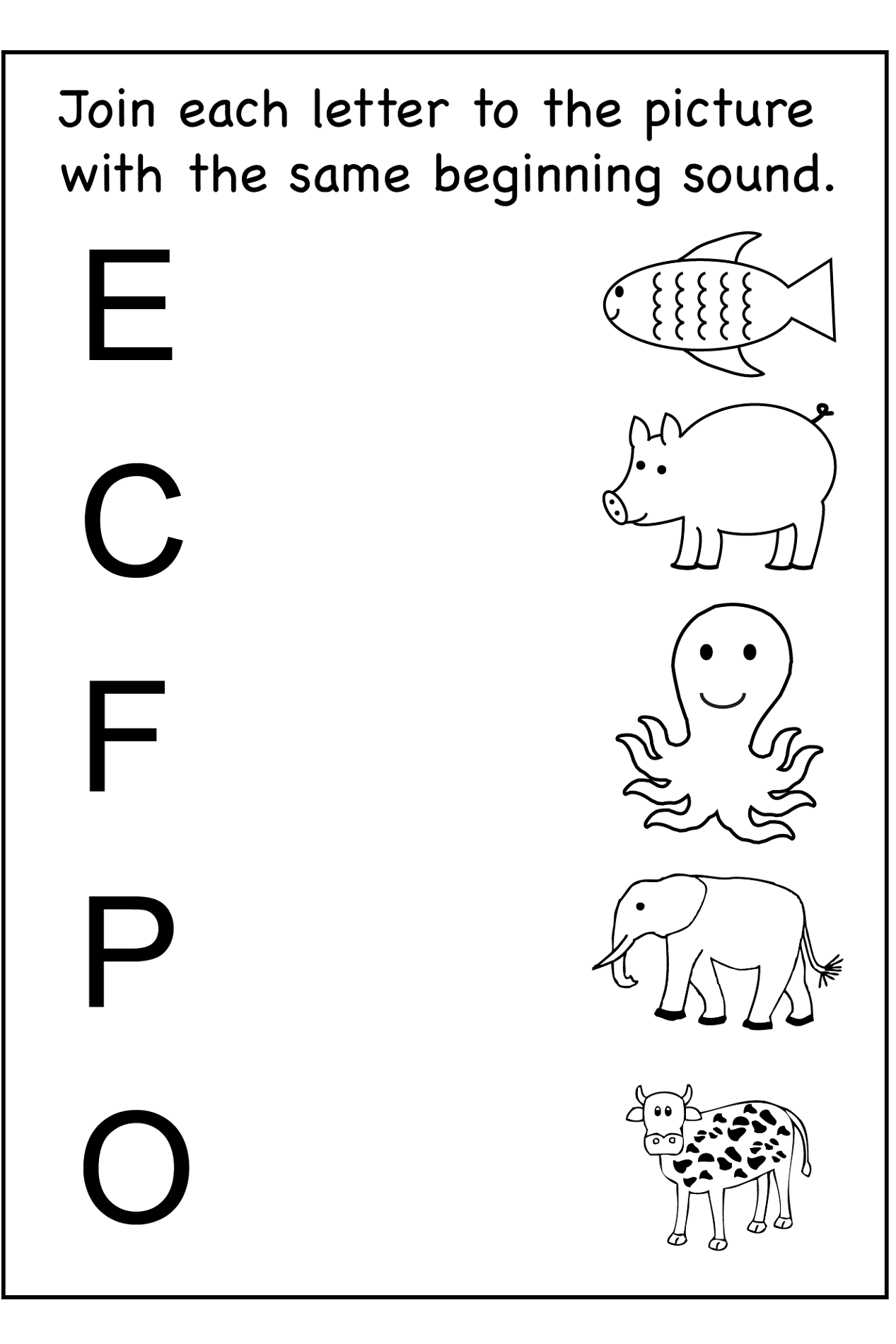
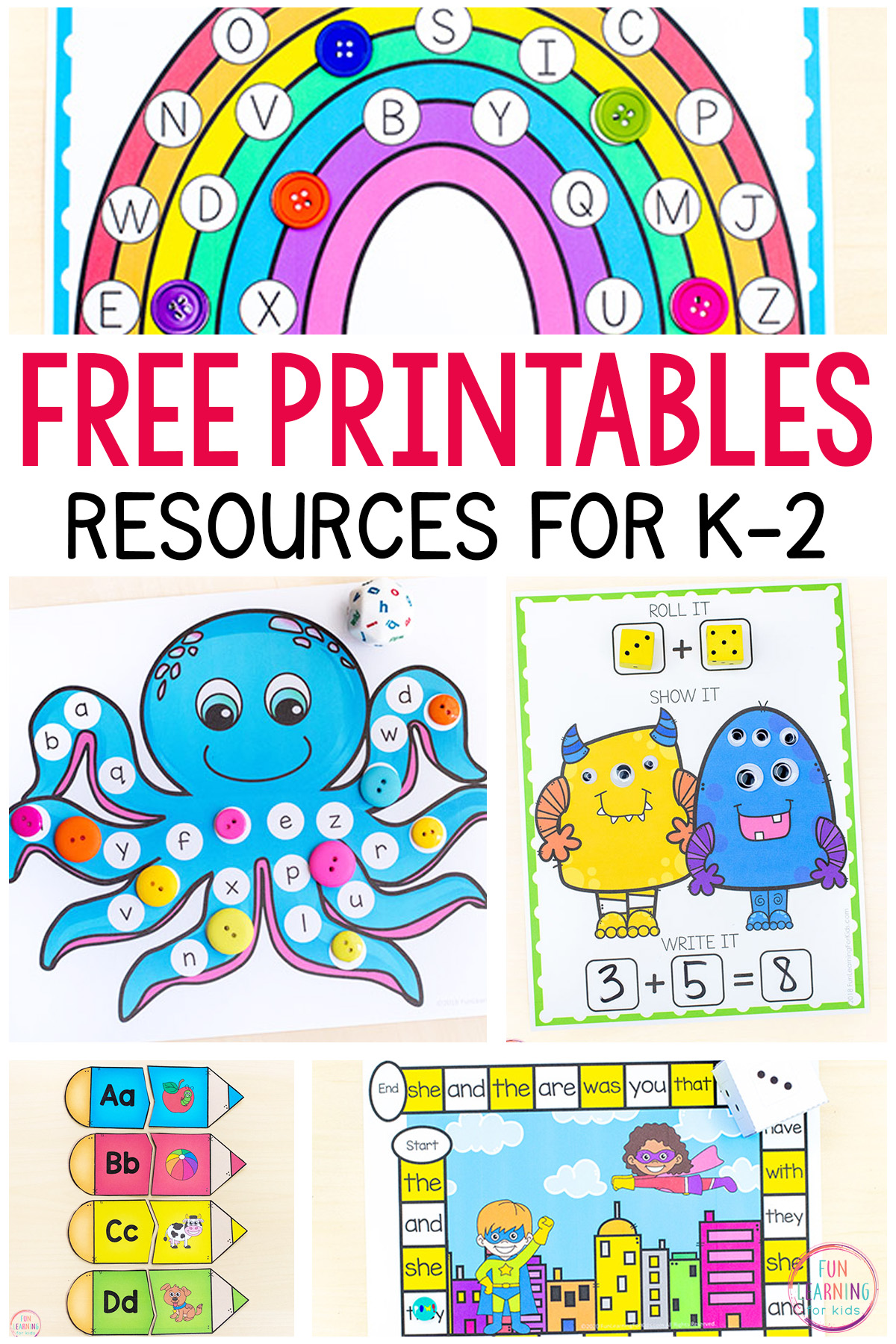
Introduction
Educational games for kids that are fun effectively merge playful engagement with rigorous cognitive development by transforming visual processing into interactive challenges. According to the National Association for the Education of Young Children (NAEYC), purposeful play involving hands-on manipulatives and structured visual prompts accelerates early spatial reasoning and fine-motor control. Integrating printable grid drawing worksheets and real photo visual flashcards bridges the gap between abstract art concepts and concrete observational skills, allowing young learners to master proportions naturally. Educators and parents seeking to foster deep cognitive engagement will find that targeted Educational Activities provide the ideal scaffolding for developing early visual literacy.
Visual Learning & Skill Snapshot:
- Core Focus: Educational games for kids that are fun utilize structured visual prompts and physical manipulatives to build cognitive foundations.
- Target Skill: Spatial reasoning, visual discrimination, fine-motor proportion, and photo-based concept mastery.
- Key Recommendation: Pair high-contrast photo flashcards with simplified grid-drawing matrices to reinforce proportional estimation in early childhood.
Core Principles and Visual Learning Overview
Spatial awareness and proportion estimation develop systematically when children interact with grid-based visual games that break complex imagery into manageable geometric coordinates. By analyzing real photo flashcards and replicating distinct quadrants onto a matching grid, learners practice visual chunking, a fundamental cognitive process that reduces mental overload. This systematic approach supports the transition from random scribbling to intentional, observational drawing. Furthermore, utilizing specialized Grid Drawing exercises helps children decode visual information by teaching them to focus on intersecting lines, negative space, and localized contours rather than attempting to render an entire complex object at once.
Key Specifications and Breakdown
| Age / Learning Stage | Visual Skill & Grid Ratio | Pedagogical Application & Scaffolding |
|---|---|---|
| Ages 3-4 (Early Preschool) | 1×1 to 2×2 macro grids | Utilizing vibrant Photo Flashcards alongside oversized grid squares to teach basic shape matching and object recognition. |
| Ages 5-6 (Kindergarten) | 3×3 to 4×4 standard grids | Scaffolding spatial estimation through direct observation of real photographs to develop fine-motor pencil control. |
| Ages 7-8 (Early Elementary) | 6×6 up to 8×8 detailed grids | Enhancing proportion accuracy and analytical line precision using complex photo references and scaled coordinate matrices. |
Structured visual activities directly stimulate neural pathways responsible for spatial reasoning, visual-motor integration, and mathematical proportion analysis during early childhood development. — National Art Education Association (NAEA)
Step-by-Step Practical Application and Printing Guidelines
Implementing printable visual learning games requires high-contrast printing, durable paper stock, and a progressive difficulty structure to maintain engagement. Begin by selecting high-resolution photo sheets that feature clear, unambiguous subjects against neutral backgrounds to prevent cognitive fatigue. Print worksheets on heavy cardstock to withstand repeated erasing and pencil handling during grid reproduction tasks. Introduce the activity by demonstrating how to isolate a single grid box on the reference photo, count the coordinate markers, and replicate the precise strokes within the corresponding blank template square. Rotate subjects frequently—ranging from animals to architectural structures—to maintain high interest levels while steadily advancing observational stamina.
Common Challenges and How to Avoid Them
Frustration during visual grid activities typically stems from starting with overly complex reference images or inadequate grid sizing that overwhelms developing fine-motor skills. Prevent this by ensuring that younger children begin with simplified 2×2 or 3×3 grids before introducing intricate photographic details. Another common hurdle involves children attempting to draw the entire image at once instead of focusing strictly on one grid coordinate at a time; educators should encourage the use of an L-shaped masking card to isolate individual squares. Providing consistent, positive reinforcement focused on observational effort rather than artistic perfection ensures that children remain intrinsically motivated to explore spatial relationships.
💬 Frequently Asked Questions
Explore More Free Learning Printables and Visual Activities on WePhotoAgency
Discover an extensive collection of professional-grade educational printables designed to inspire creativity, sharpen spatial reasoning, and support foundational skill development. Educators, homeschoolers, and parents are invited to explore the complete resource library at WePhotoAgency.com to access high-quality worksheets and visual learning tools tailored for early childhood success.
Visual Reference Gallery