Introduction
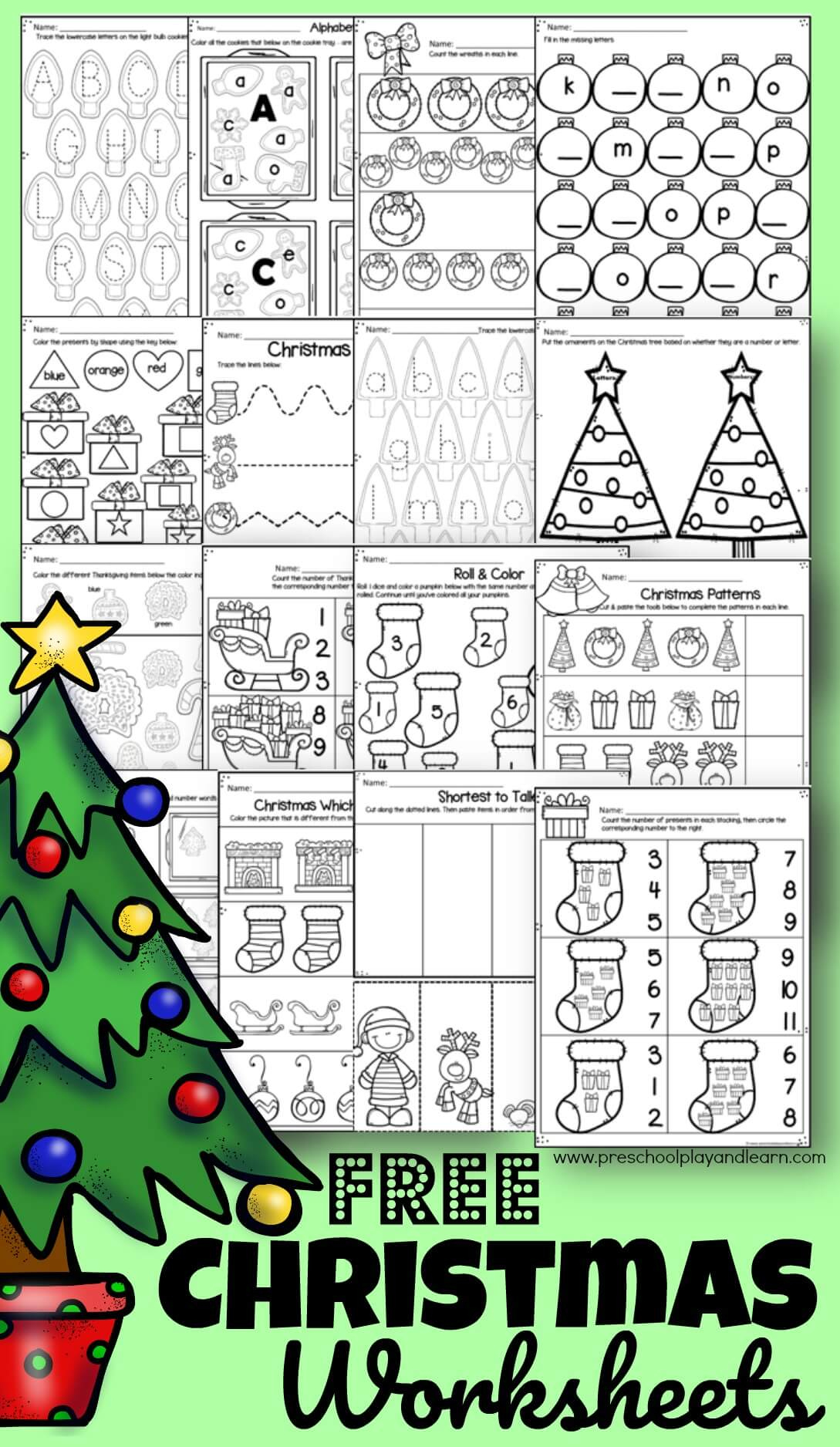
Educational activity worksheets for kids serve as structured visual catalysts that transform abstract spatial concepts into tangible fine-motor tasks. According to the National Association for the Education of Young Children (NAEYC), purposeful manipulation of print-based visual materials significantly accelerates cognitive processing speed and enhances observational accuracy during early childhood development. By pairing printable grid drawing worksheets with real photo visual flashcards, educators provide children with essential tools to decode complex visual information, estimate physical proportions, and build robust hand-eye coordination. These printables bridge the gap between creative expression and analytical thinking, offering a dependable framework for classrooms, homeschool environments, and art studios alike. For deeper inspiration, browse specialized resources featured across Educational Activities.
Visual Learning & Skill Snapshot:
- Core Focus: Structured printables designed to enhance spatial reasoning through systematic grid-based art and real-photo analysis.
- Target Skill: Spatial reasoning, visual discrimination, fine-motor proportion, and photographic observation mastery.
- Key Recommendation: Pair high-contrast reference images with corresponding grid templates to anchor observational accuracy before freehand execution.
Core Principles and Visual Learning Overview
Systematic visual exercises build foundational cognitive architectures by training the human eye to break complex imagery down into manageable geometric fragments. When children engage with Grid Drawing printables, they actively map coordinate intersections, which translates into enhanced mathematical graphing readiness and superior handwriting control. Simultaneously, integrating real-world photographic stimuli grounds the learning process in authentic visual contexts, preventing the cognitive overload associated with abstract line drawings. This multi-sensory approach encourages learners to look past preconceived mental symbols—such as drawing a cartoon eye instead of observing an actual shape—and instead record precise visual data. The deliberate pacing required by these printable layouts promotes sustained attention spans and methodical problem-solving habits.
Key Specifications and Breakdown
| Age / Learning Stage | Visual Skill & Grid Ratio | Pedagogical Application & Scaffolding |
|---|---|---|
| Ages 4-5 (Early Learners) | 2×2 or 3×3 simple cell grids with macro photo subjects | Focuses on basic contour recognition, tactile line tracing, and matching Photo Flashcards to physical objects. |
| Ages 6-8 (Early Elementary) | 4×4 to 6×6 intermediate proportion grids | Develops coordinate tracking, relative size estimation, and direct observation of organic shapes versus geometric lines. |
| Ages 9-11 (Advanced Elementary) | 8×8 complex coordinate mapping and high-detail photography | Refines shading translation, perspective perception, and independent scaling without direct adult intervention. |
Visual-spatial training through structured grid scaling and photographic observation demonstrably strengthens neurological pathways responsible for geometric reasoning and analytical problem-solving in young children. — National Art Education Association (NAEA)
Step-by-Step Practical Application and Printing Guidelines
Executing printable visual activities successfully requires meticulous preparation of both the physical workspace and the print media quality. Educators should print activity sheets on heavy cardstock to prevent tearing and bleeding when children apply graphite, markers, or watercolor washes to grid cells. Begin the session by displaying a corresponding reference image alongside the worksheet, guiding the child to identify corner coordinates and major intersecting lines before drawing a single mark. Instruct learners to focus exclusively on one grid square at a time, effectively reducing the intimidation factor of a blank canvas into bite-sized visual puzzles. Regular reinforcement using tangible real-world photography ensures that children connect flat geometric lines back to three-dimensional objects in their immediate environment.
Common Challenges and How to Avoid Them
Rushing through proportional estimation and misaligning coordinate boxes represent the most frequent hurdles encountered by young learners attempting grid-based visual exercises. Educators can mitigate these challenges by pre-drawing directional arrows inside difficult grid cells or by utilizing simplified two-by-two templates before introducing dense photographic reference sheets. When children become frustrated by scale shifts, adults should model how to use an index finger or blank paper mask to isolate a single grid square, instantly cutting away visual distractions. Consistent encouragement combined with non-judgmental error analysis helps children view misaligned lines not as failures, but as valuable coordinate adjustments along the path of spatial mastery.
💬 Frequently Asked Questions
Explore More Free Learning Printables and Visual Activities on WePhotoAgency
Supporting childhood cognitive development requires a diverse library of adaptable, high-quality printables designed to engage young minds through thoughtful artistic and observational exercises. Educators, parents, and homeschool instructors can discover an extensive collection of professional resources, classroom templates, and creative guides by visiting the main hub at WePhotoAgency.com to enrich daily learning environments.
Visual Reference Gallery