Introduction
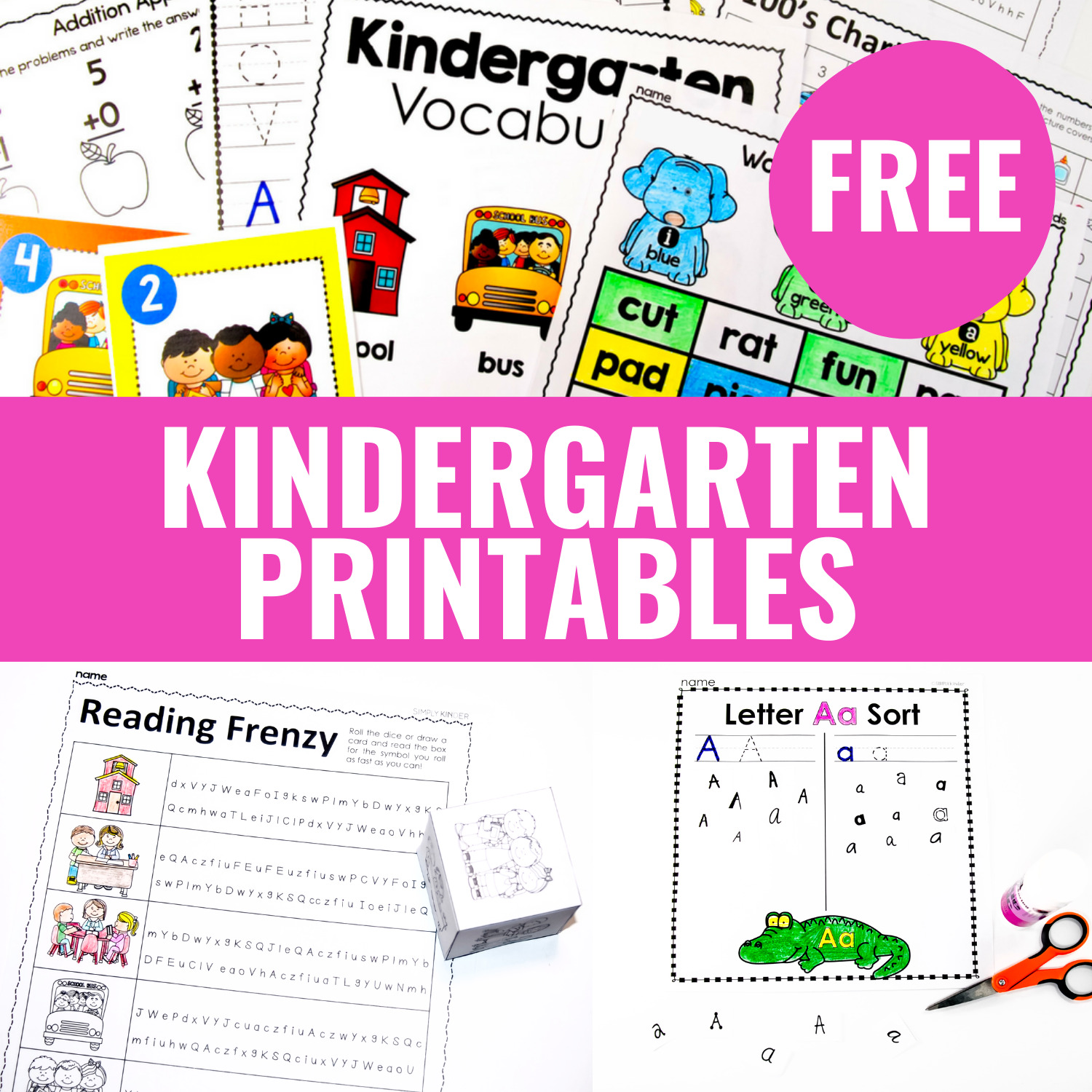
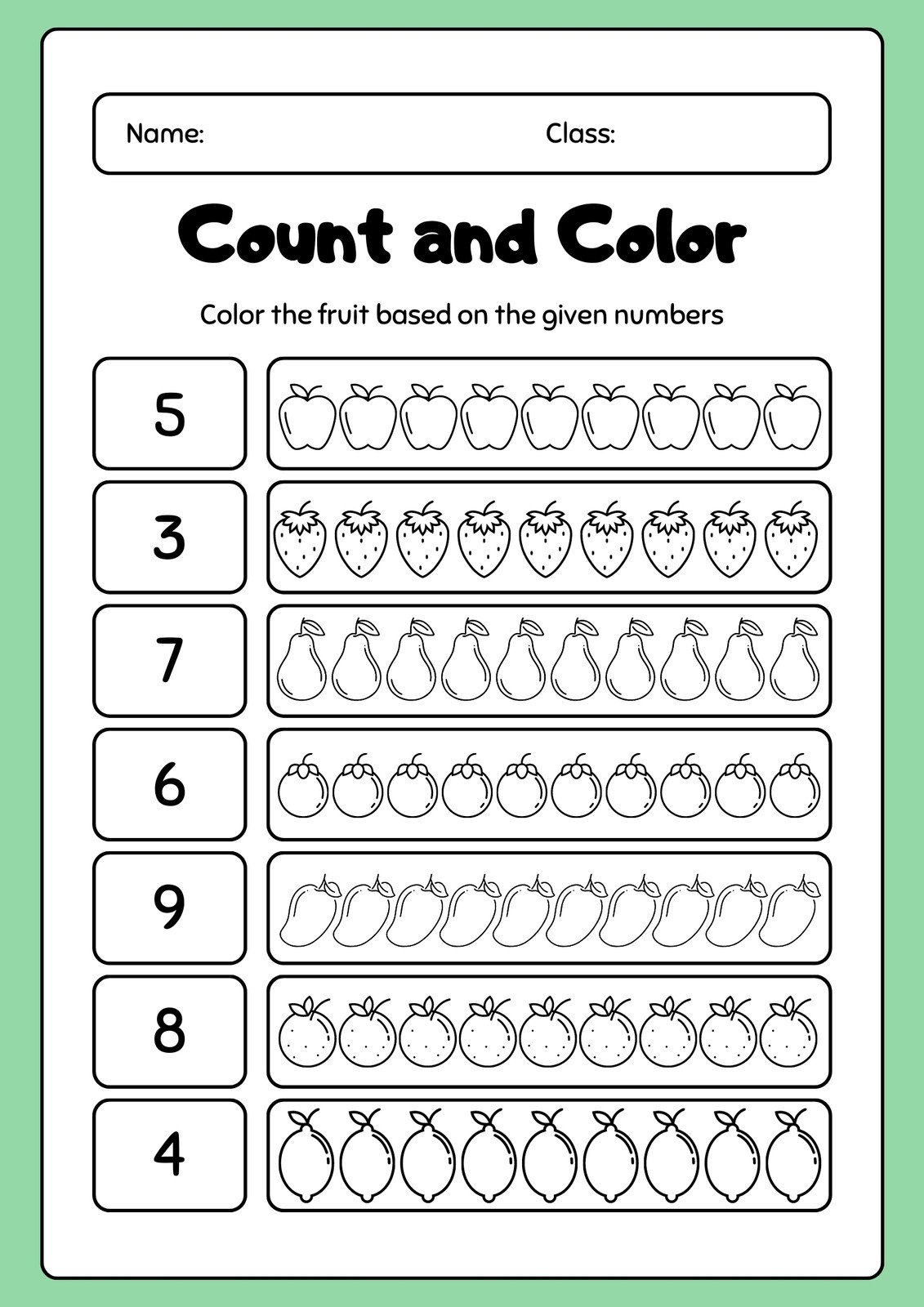
Educational activities for kindergarten at home pdf resources provide structured, screen-free cognitive scaffolds that transform printable grids and realistic imagery into foundational spatial reasoning tools. According to the National Association for the Education of Young Children (NAEYC), purposeful visual arts integration and hands-on manipulation during early childhood directly accelerate mathematical proportion understanding and fine-motor coordination. Accessing curated digital packets allows educators and families to bypass expensive supply lists while delivering high-density observational practice. Utilizing resources from specialized collections such as Educational Activities ensures that every printed page serves a rigorous, developmentally appropriate cognitive objective.
Visual Learning & Skill Snapshot:
- Core Focus: Printable PDF worksheets centered on grid drawing, proportion estimation, and real photo visual analysis.
- Target Skill: Spatial reasoning, visual discrimination, fine-motor proportion, and photographic concept mastery.
- Key Recommendation: Laminate master print sheets for dry-erase marker practice before transitioning to pencil and paper.
Core Principles and Visual Learning Overview
Printable visual learning frameworks bridge the gap between abstract geometrical concepts and concrete observational drawing through systematic grid alignment. Children engaging with home-printed materials learn to isolate individual squares within a matrix, analyzing lines, curves, and intersections rather than attempting to render a complex whole object prematurely. This technique diminishes cognitive overload by breaking complex visual stimuli into manageable segments. Integrating structured Grid Drawing exercises fosters essential perceptual constancy, training young eyes to measure relative distances and angles accurately. Simultaneously, pairing line-art grids with realistic photographic references anchors abstraction in recognizable real-world contexts.
Key Specifications and Breakdown
| Age / Learning Stage | Visual Skill & Grid Ratio | Pedagogical Application & Scaffolding |
|---|---|---|
| Ages 4-5 (Early Kindergarten) | 2×2 or 3×3 simple quadrant grids | Focuses on basic shape tracking and quadrant identification using large-scale photo cues. |
| Ages 5-6 (Mid Kindergarten) | 4×4 proportional alignment grids | Develops fine-motor pencil control, line continuity, and comparative length estimation. |
| Ages 6-7 (Advanced Kindergarten) | Complex asymmetrical and detailed matrices | Encourages independent error detection, spatial inversion awareness, and complex contour mapping. |
Early childhood art education and spatial manipulation directly strengthen neural pathways responsible for multi-step problem solving and geometric visualization. — National Art Education Association (NAEA)
Step-by-Step Practical Application and Printing Guidelines
Implementing printable learning packets successfully requires deliberate preparation of physical environments and printing configurations to maximize focus and engagement. Begin by downloading high-resolution PDF files and printing them on heavyweight cardstock (65lb or higher) to prevent tearing during rigorous eraser use or dry-erase marker tracing. Pair these drawing sheets with high-contrast photographic references found in collections like Photo Flashcards to give children dual-channel sensory inputs. Instruct learners to cover all grid rows except the top active row using a blank index card, effectively reducing visual clutter and teaching sequential scanning habits from top-left to bottom-right.
Common Challenges and How to Avoid Them
Young learners frequently experience frustration when attempting to copy entire objects across grid lines without isolating individual coordinate squares first. Educators and parents can mitigate this by modeling how to look solely at one square at a time, asking guiding questions about whether a line starts in the corner or crosses the midpoint. Avoid rushing the child through complex matrices; if a worksheet causes persistent avoidance, step down to a simpler grid ratio or utilize tactile tracing templates before returning to pencil-based rendering. Consistent, low-pressure daily engagement yields significantly better proportional accuracy than infrequent, marathon drawing sessions.
💬 Frequently Asked Questions
Explore More Free Learning Printables and Visual Activities on WePhotoAgency
Accessing high-quality, educator-vetted home learning materials empowers parents and teachers to cultivate critical cognitive skills without reliance on passive screen time. The digital resource library at WePhotoAgency.com offers an extensive collection of meticulously designed printables, structured drawing grids, and photographic learning aids tailored specifically for early childhood development. Explore the complete collection today to build a comprehensive, engaging, and developmentally rigorous home curriculum.
Visual Reference Gallery