Introduction
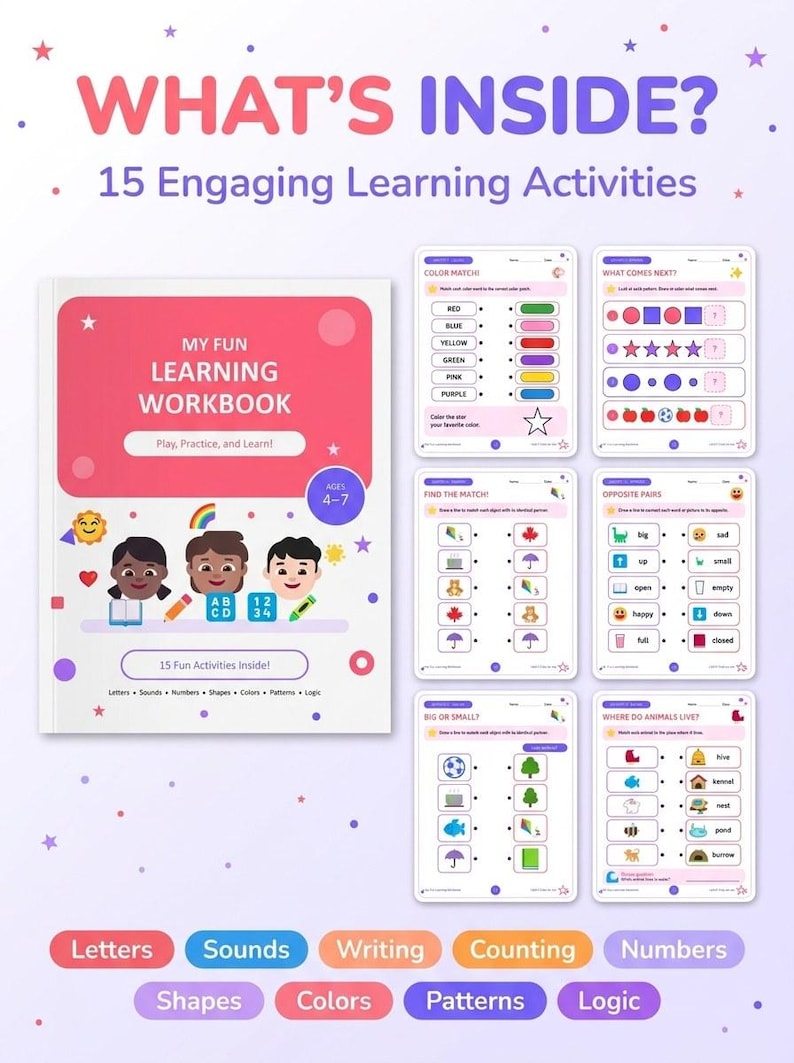
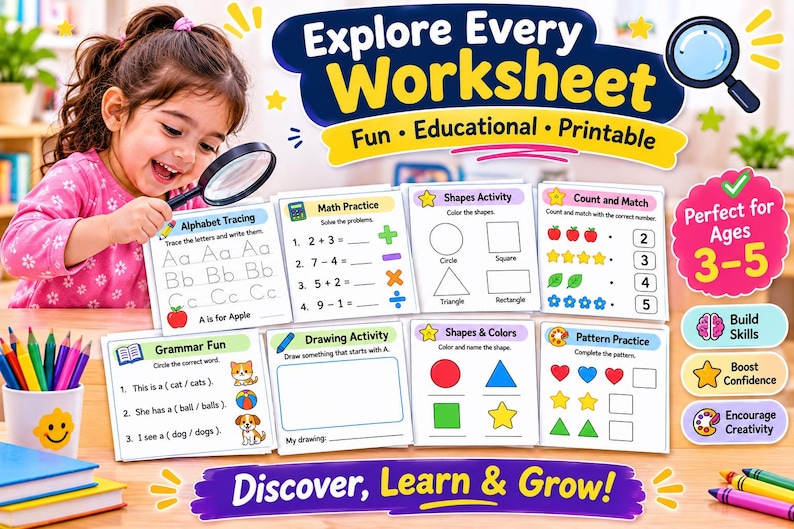
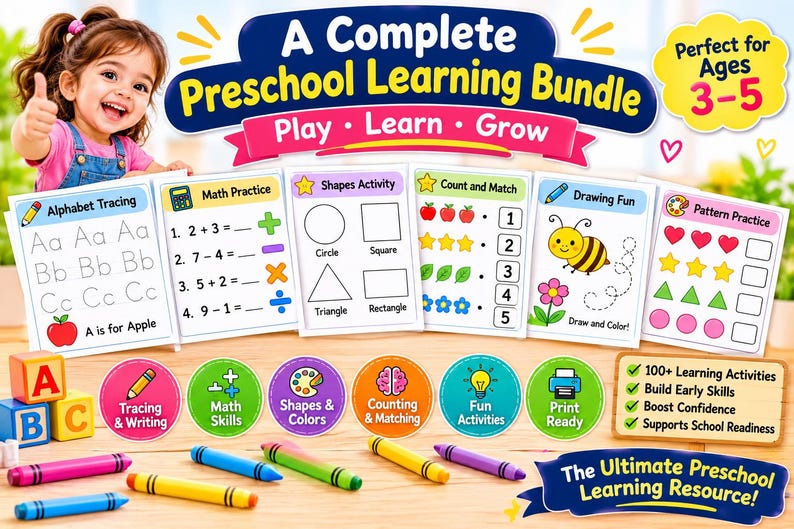
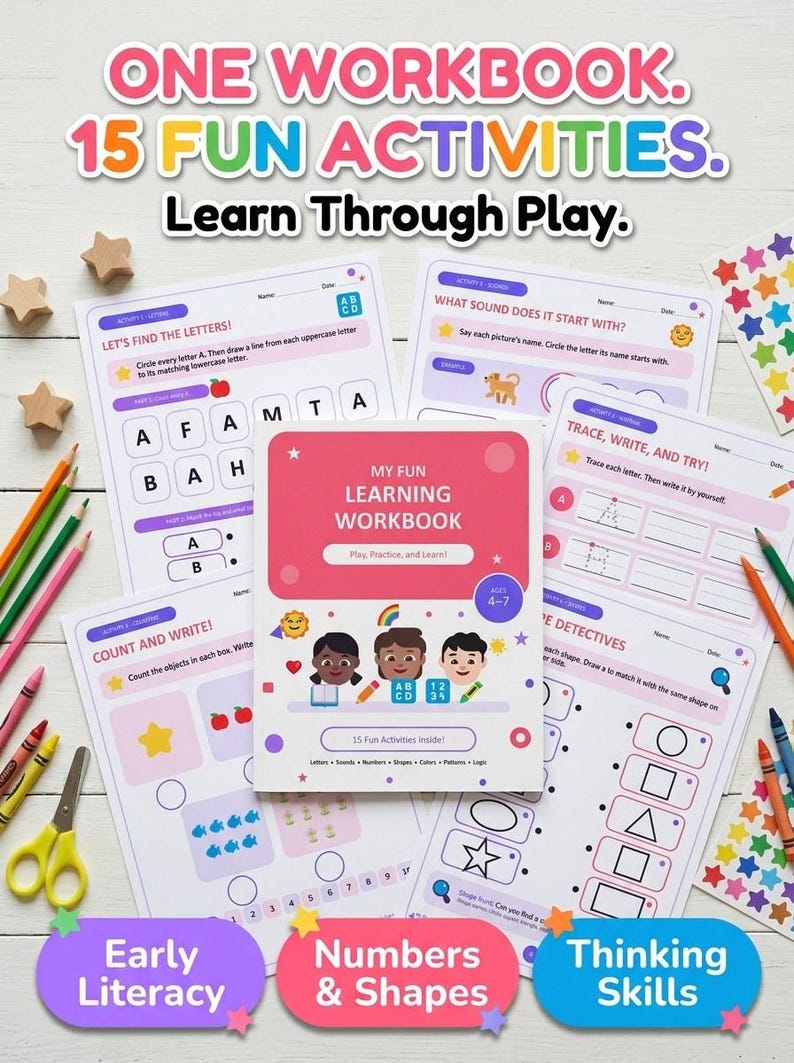
Educational activities for kindergarten at home provide structured, tactile environments that accelerate visual literacy, spatial reasoning, and fine-motor coordination through intentional, hands-on practice. According to the National Association for the Education of Young Children (NAEYC), young children learn best through active exploration of concrete visual materials that bridge cognitive development with physical manipulation. Implementing consistent routines utilizing printables, observation tasks, and object sorting establishes a robust foundation for elementary mathematics and literacy. Integrating high-quality visual resources empowers educators and parents to cultivate analytical thinking during critical early development windows. Thoughtfully curated Educational Activities transform home environments into engaging spaces for experiential learning and cognitive growth.
Visual Learning & Skill Snapshot:
- Core Focus: Hands-on domestic instruction merging observation, fine-motor practice, and spatial organization.
- Target Skill: Spatial reasoning, visual discrimination, fine-motor proportion, and photo-based concept mastery.
- Key Recommendation: Rotate visual prompts weekly to maintain engagement and prevent cognitive fatigue.
Core Principles and Visual Learning Overview
Visual learning during early childhood relies on translating three-dimensional objects and realistic imagery into two-dimensional representations through systematic observation and proportion estimation. Printable grid drawing worksheets break complex forms down into manageable quadrants, allowing children to isolate visual information and replicate lines, shapes, and angles accurately. Simultaneously, incorporating real photo visual flashcards connects abstract symbols to tangible reality, strengthening semantic memory and categorical understanding. Educators utilize these tools to scaffold observational accuracy, teaching young learners to measure distances visually and reproduce elements with increasing precision. This systematic exposure builds essential visual-motor integration skills required for advanced writing and geometry.
Key Specifications and Breakdown
| Age / Learning Stage | Visual Skill & Grid Ratio | Pedagogical Application & Scaffolding |
|---|---|---|
| Ages 4 to 5 (Early Kindergarten) | 2×2 Large Grid Arrays | Focuses on basic quadrant isolation, large motor strokes, and recognizing simple geometric relationships within a single box. |
| Ages 5 to 6 (Standard Kindergarten) | 3×3 Moderate Grid Arrays | Introduces proportion estimation across multiple intersecting lines, encouraging precise hand-eye coordination and shape alignment. |
| Ages 6 to 7 (Advanced Kindergarten) | 4×4 Complex Grid Arrays | Demands detailed observation, angle replication, and independent spatial navigation using realistic photographic references. |
Visual-spatial training through structured grid division significantly enhances early mathematical proportionality and geometric comprehension — National Art Education Association (NAEA)
Step-by-Step Practical Application and Printing Guidelines
Implementing domestic learning sessions requires careful preparation of materials, optimal lighting, and uncluttered workspaces to maximize concentration. Begin by selecting high-contrast printable Grid Drawing worksheets featuring familiar objects, animals, or nature scenes to capture early interest. Print resources on heavy cardstock to prevent tearing and to provide a stable tactile surface for young hands operating pencils or crayons. Pair these sheets alongside realistic Photo Flashcards that display the reference subject from an identical perspective. Guide the child to examine one specific grid square at a time, pointing out intersections and lines before allowing independent mark-making. Conclude the exercise with a collaborative review, celebrating accurate proportion scaling rather than seeking artistic perfection.
Common Challenges and How to Avoid Them
Young learners frequently experience frustration when attempting to replicate complex visual details across grid lines without adequate preliminary scaffolding. Overcoming this hurdle involves scaling down expectations, starting with simplified two-by-two grids, and modeling how to draw individual lines rather than the entire object at once. Children also struggle with perceptual inversion, drawing what they think an object looks like rather than observing the actual lines presented in the reference square. Instructors can correct this tendency by utilizing viewing frames or paper blockers that isolate one grid coordinate, forcing the child to focus strictly on local spatial data. Maintaining brief, highly encouraging sessions prevents cognitive exhaustion and preserves enthusiasm for visual arts.
💬 Frequently Asked Questions
Explore More Free Learning Printables and Visual Activities on WePhotoAgency
Discover an extensive library of professional educational resources designed to support early childhood cognitive growth, spatial awareness, and artistic development by visiting WePhotoAgency.com. Access expertly crafted printables, observation guides, and visual tools tailored specifically for educators, parents, and homeschool environments.
Visual Reference Gallery