Introduction
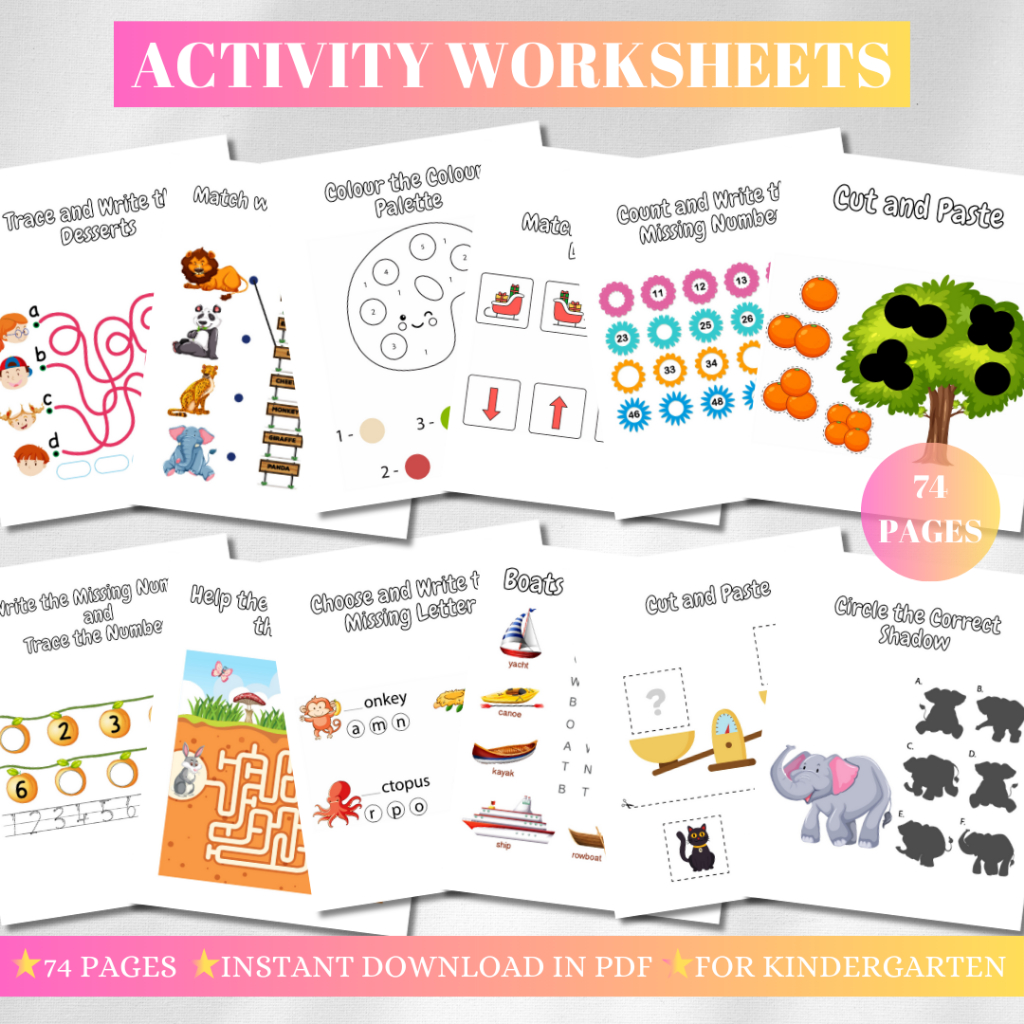
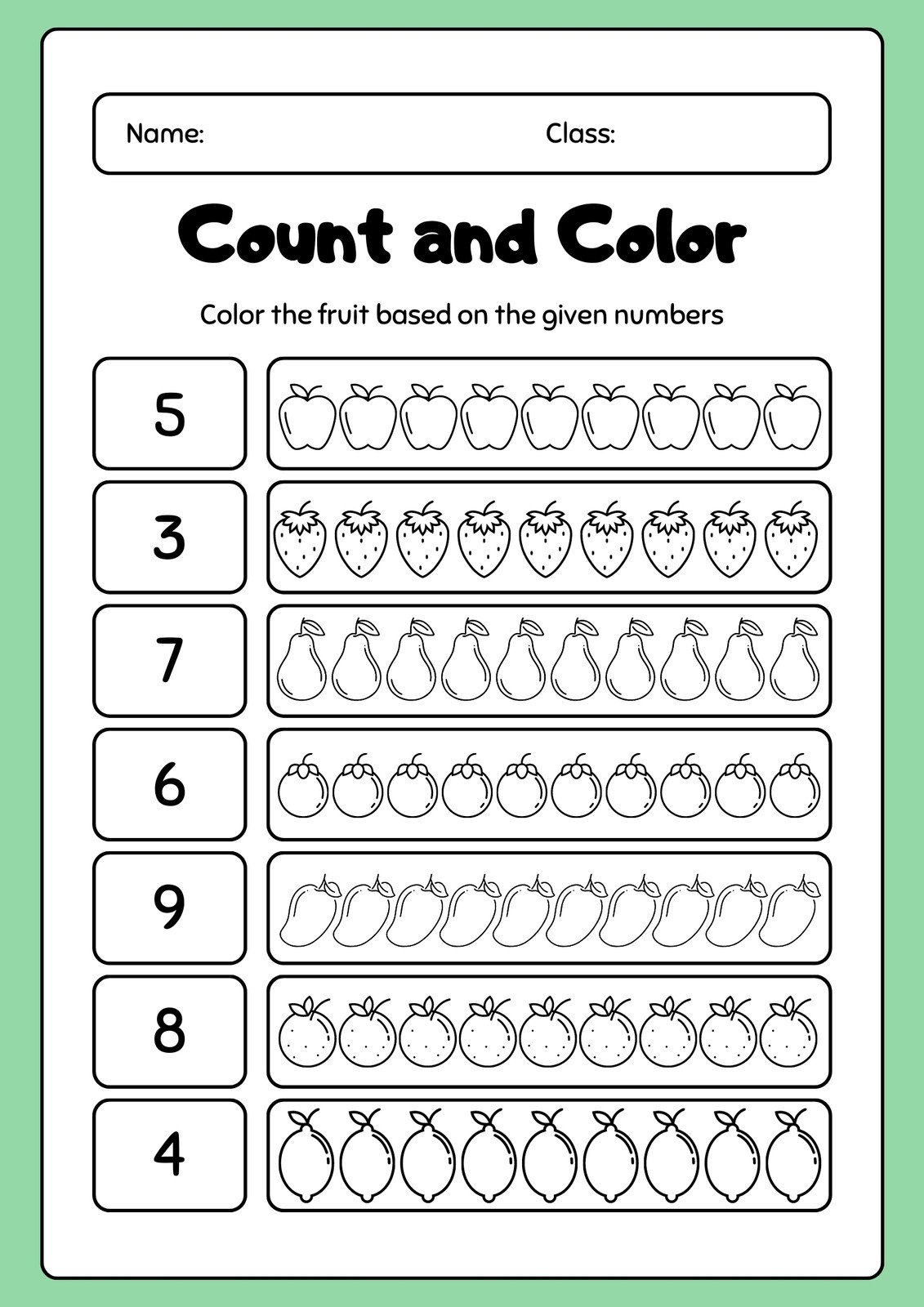
Educational activities for kindergarten systematically integrate visual arts, spatial tracking, and observational decoding to build foundational cognitive architecture. According to the National Association for the Education of Young Children (NAEYC), purposeful manipulation of structured imagery and physical drawing tools significantly enhances neurological development, fine-motor control, and early pre-literacy pattern recognition. Establishing a robust visual curriculum early on ensures children transition smoothly from concrete perception to abstract symbol interpretation. Integrating structured Educational Activities provides young learners with the essential scaffolding required for complex spatial analysis and analytical drawing tasks.
Visual Learning & Skill Snapshot:
- Core Focus: Structured visual worksheets, printable grids, and real photo recognition tasks for young children.
- Target Skill: Spatial reasoning, visual discrimination, fine-motor proportion estimation, and cross-modal observation.
- Key Recommendation: Pair high-contrast photographic references directly with proportional drawing grids to bridge observation and execution.
Core Principles and Visual Learning Overview
Printable grid drawing worksheets and real photo visual flashcards serve as primary engines for developing early visual literacy and analytical observation. Direct answer: Systematic grid alignment breaks complex photographic subjects into manageable visual quadrants, enabling five-year-old learners to isolate coordinates and replicate line proportions with high accuracy. When children examine a realistic photographic subject, they engage in visual decoding, separating surface details from core geometric shapes. Utilizing Grid Drawing exercises teaches children how to map coordinates methodically across a blank field, which directly supports mathematical graphing concepts later in elementary school.
Key Specifications and Breakdown
| Age / Learning Stage | Visual Skill & Grid Ratio | Pedagogical Application & Scaffolding |
|---|---|---|
| Early Kindergarten (Ages 5-6) | 2×2 or 3×3 simple coordinate grids | Use high-contrast Photo Flashcards side-by-side to train basic shape matching and quadrant isolation. |
| Mid Kindergarten (Ages 5.5-6.5) | 4×4 balanced proportion grids | Introduce photographic animals and everyday objects to reinforce observation of curves, lines, and negative space. |
| Late Kindergarten (Ages 6-7) | Complex multi-cell proportional grids | Transition learners toward independent proportion estimation, preparing them for formal geometry and technical drawing standards. |
Systematic visual arts integration significantly accelerates spatial working memory and bilateral hand-eye coordination during early childhood development. — National Art Education Association (NAEA)
Step-by-Step Practical Application and Printing Guidelines
Effective implementation of kindergarten visual worksheets requires high-contrast printing, durable cardstock, and structured adult facilitation. Direct answer: Educators and parents must print worksheets at 100% scale without auto-fit scaling to preserve exact grid dimensions and coordinate proportions. Begin sessions by placing a clear photographic card alongside the corresponding blank grid sheet, instructing the child to point to matching squares using an index finger before applying any writing utensil. This tactile scanning routine prevents cognitive overload and encourages deliberate, mindful mark-making rather than rushed, imprecise sketching.
Common Challenges and How to Avoid Them
Young children frequently struggle with scale distortion, misplaced grid coordinates, and pencil grip fatigue during early drawing tasks. Direct answer: Mitigate these obstacles by initially limiting worksheets to oversized 2×2 grids and providing soft, thick graphite pencils that require less downward pressure. When a child draws a line in the wrong coordinate square, educators should guide the child to count the grid lines aloud together, turning the correction into a collaborative counting exercise rather than an error critique.
💬 Frequently Asked Questions
Explore More Free Learning Printables and Visual Activities on WePhotoAgency
Discover an extensive, professionally curated collection of printable worksheets, visual art guides, and developmental resources by exploring the main learning hub at WePhotoAgency.com. Accessing these specialized materials empowers parents, homeschoolers, and classroom educators to build comprehensive, visually engaging curricula tailored to every developmental milestone.
Visual Reference Gallery