Introduction
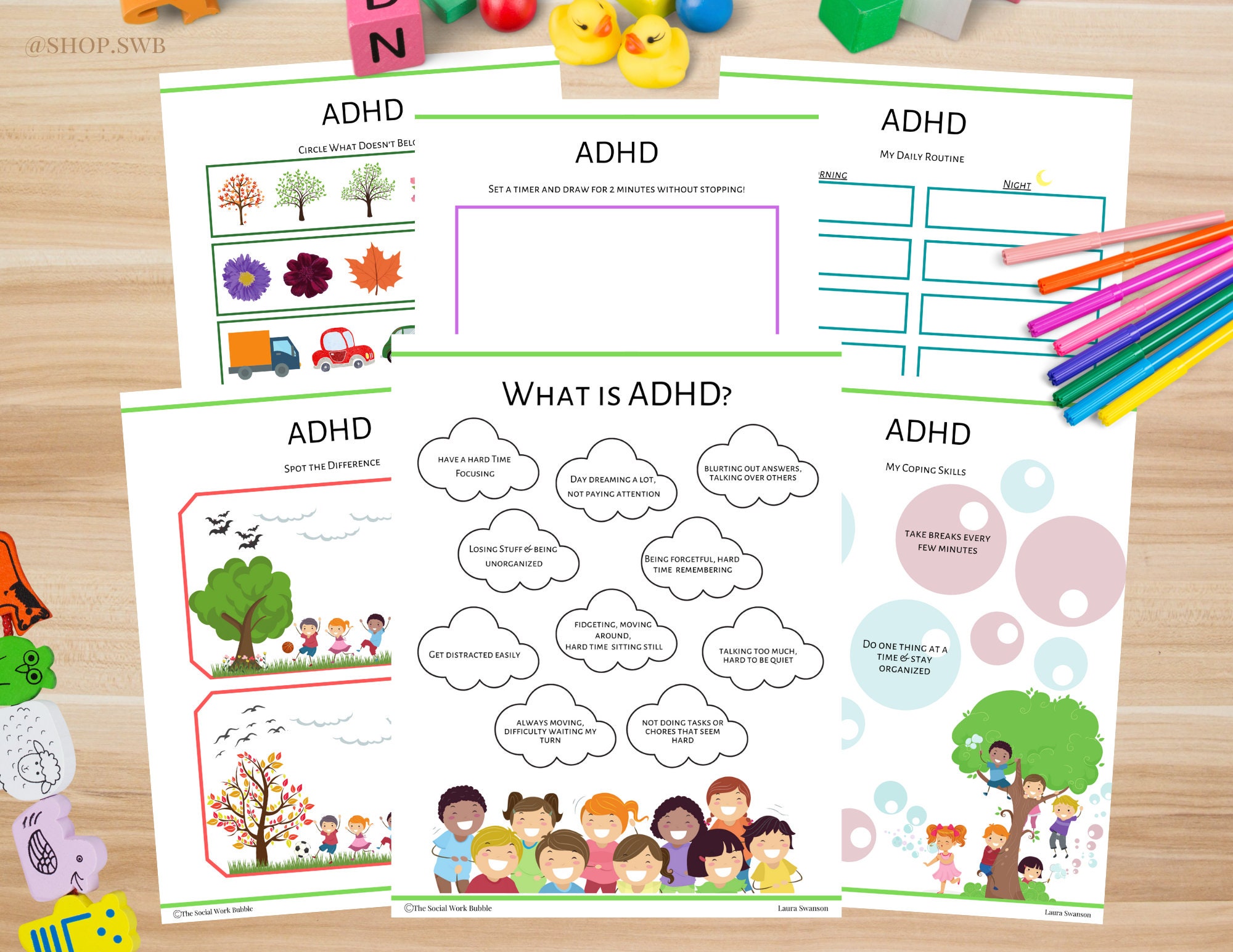
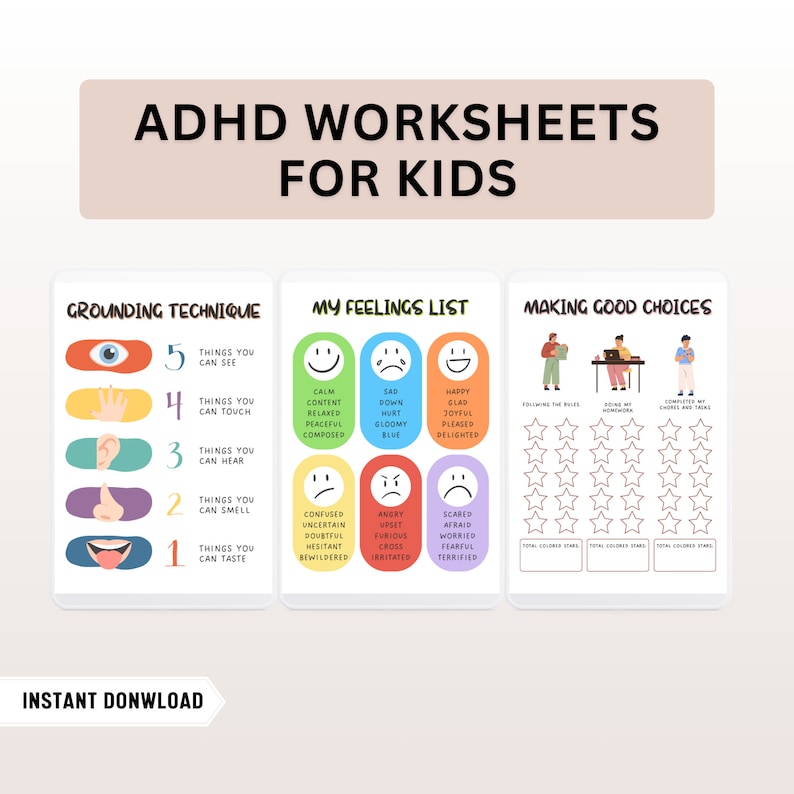
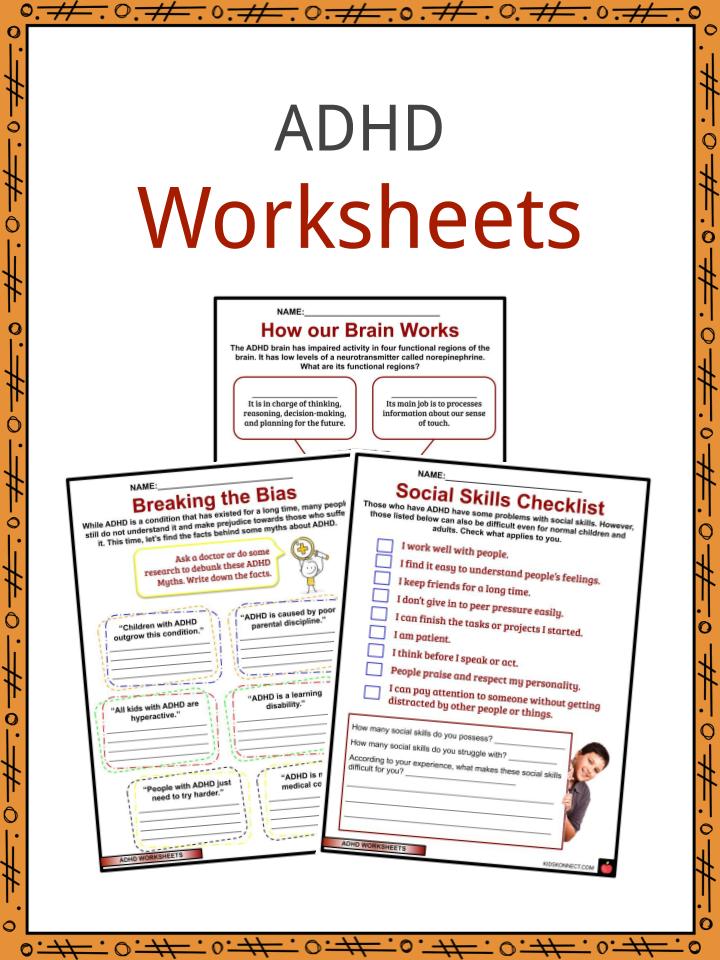
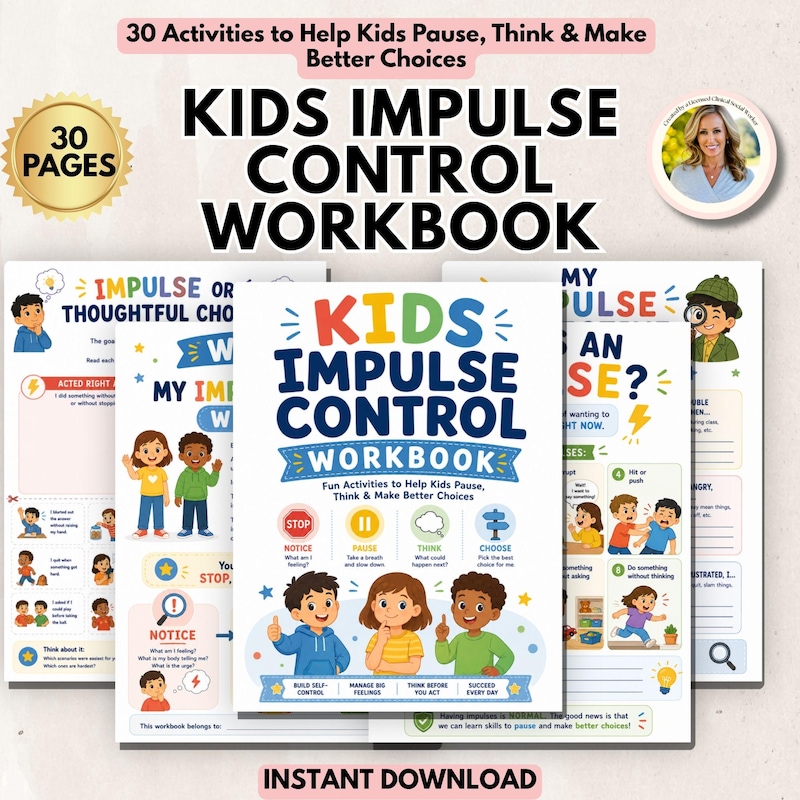
Educational activities for adhd kids require structured visual scaffolding, high-contrast focal points, and multisensory integration to sustain cognitive engagement and improve executive function. According to the National Association for the Education of Young Children (NAEYC), intentional multi-modal learning strategies significantly enhance attention regulation and working memory in early childhood. By implementing specialized printables such as printable grid drawing worksheets and real photo visual flashcards, educators and parents provide concrete boundaries that transform abstract cognitive tasks into manageable, compartmentalized steps. This structural clarity reduces cognitive overload, minimizes distractibility, and supports neurodivergent children in developing critical spatial awareness, proportional reasoning, and fine-motor control. For comprehensive collections of these developmental resources, exploring verified Educational Activities supplies immediate, practical tools for classroom and home environments.
Visual Learning & Skill Snapshot:
- Core Focus: Structuring attention through compartmentalized visual grids and real photographic references.
- Target Skill: Spatial reasoning, visual discrimination, fine-motor proportion, and sustained task focus.
- Key Recommendation: Break complex visual tasks into single-grid segments to prevent sensory fatigue and frustration.
Core Principles and Visual Learning Overview
Visual-spatial interventions anchor wandering attention by leveraging high-interest photographic stimuli and strict geometric boundaries that guide the eye systematically across the page. When children with Attention Deficit Hyperactivity Disorder interact with structured Grid Drawing exercises, the compartmentalized layout eliminates the overwhelming nature of blank paper, replacing it with small, digestible coordinates. This method divides an expansive visual field into isolated squares, forcing the brain to process one localized section at a time. Simultaneously, utilizing Photo Flashcards featuring authentic, high-resolution imagery connects abstract academic concepts to concrete real-world objects, reinforcing cognitive grounding, memory retention, and rapid visual categorization.
Key Specifications and Breakdown
| Age / Learning Stage | Visual Skill & Grid Ratio | Pedagogical Application & Scaffolding |
|---|---|---|
| Early Preschool (Ages 3-4) | 1×1 to 2×2 Simple Photo Grids | Focuses on whole-object recognition and gross spatial alignment using tangible photo prompts. |
| Early Elementary (Ages 5-7) | 3×3 Moderate Proportion Squares | Develops fine-motor pencil control, line coordination, and isolated quadrant observation. |
| Advanced Primary (Ages 8-10) | 4×4 Complex Matrix Scaling | Enhances proportional estimation, detail replication, and sustained independent focus. |
Structured visual supports effectively reduce cognitive load and enhance executive functioning by breaking complex multi-step tasks into predictable, isolated spatial increments. — National Art Education Association (NAEA)
Step-by-Step Practical Application and Printing Guidelines
Executing tactile visual worksheets successfully demands crisp, high-contrast print quality and deliberate environmental preparation to maintain focus. Educators should print worksheets using heavy cardstock to prevent tearing from aggressive erasing and high-friction pencil strokes often observed in neurodivergent learners. Begin by introducing only one grid quadrant at a time using an opaque window card or a folding mask, which physically blocks peripheral distractions and keeps the child’s attention strictly anchored to the target coordinate. Pair this technique with colored pencils or tactile outline markers to differentiate active drawing zones from completed sections, reinforcing positive momentum and immediate visual feedback.
Common Challenges and How to Avoid Them
Frustration and task avoidance occur when grid scales are overly complex or when photographic flashcards lack sufficient visual contrast to isolate key focal details. Prevent these roadblocks by avoiding dense, multi-element matrices during initial learning phases, opting instead for bold, simplified outlines printed at a larger scale. If a child rushes through proportion estimation, introduce tactile tracking tools such as a finger-guide or a viewfinder cutout to slow down ocular scanning. Celebrating small, incremental milestones rather than the final product preserves intrinsic motivation and transforms art-based education into a successful, confidence-building experience.
💬 Frequently Asked Questions
Explore More Free Learning Printables and Visual Activities on WePhotoAgency
Accessing professional-grade educational resources provides educators and caregivers with the exact tools needed to foster sustained engagement, spatial awareness, and creative confidence. Discover an extensive library of specialized printables by visiting WePhotoAgency.com to support neurodivergent learners through expertly designed visual tools.
Visual Reference Gallery