Introduction
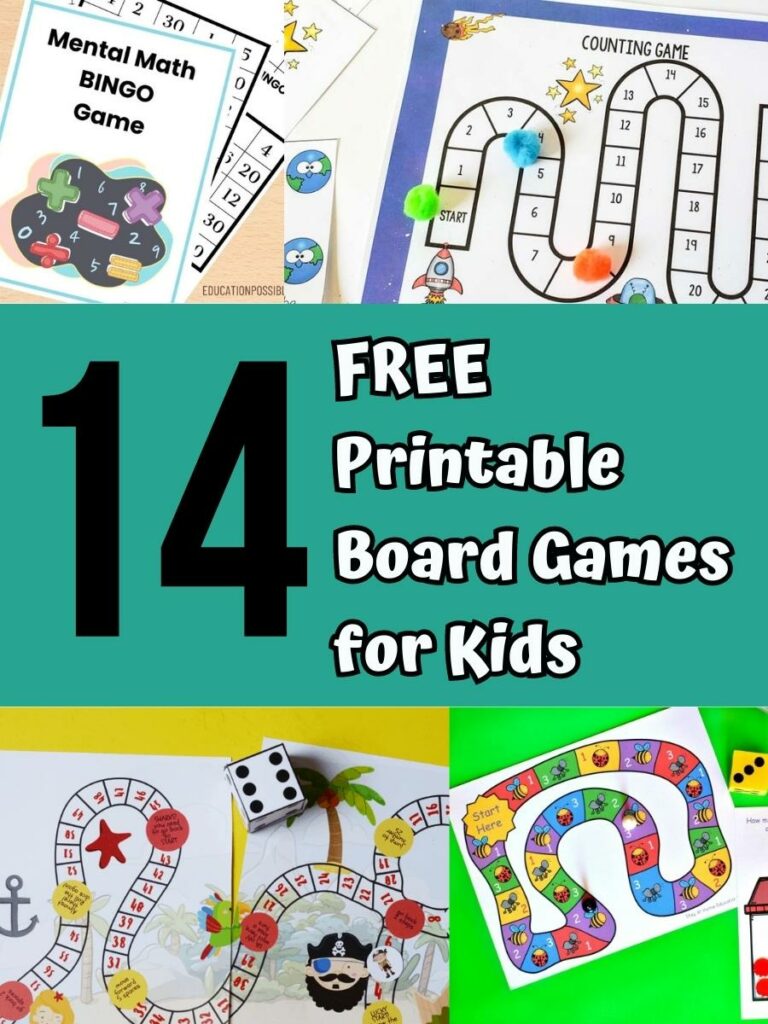
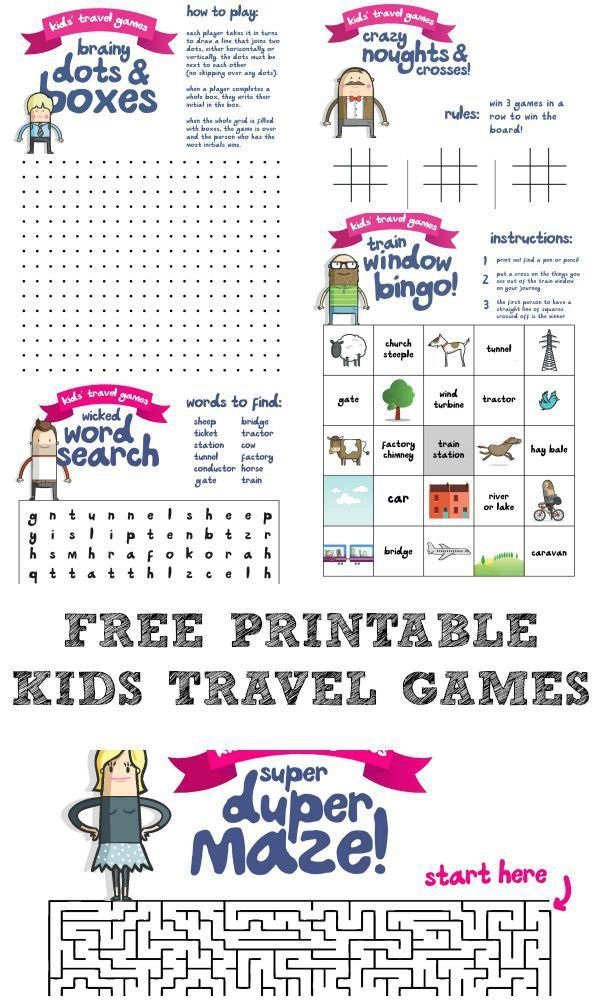
Best fun educational games for kids integrate structured visual stimuli and hands-on manipulation to accelerate early cognitive development, spatial reasoning, and fine-motor precision. According to the National Association for the Education of Young Children (NAEYC), intentional playful learning through structured visual tasks supports executive function and spatial memory in children. Educators and parents can leverage specific educational activities to bridge the gap between creative play and foundational mathematics, geometry, and literacy skills.
Visual Learning & Skill Snapshot:
- Core Focus: Utilizing grid drawing and real photo flashcards to transform play into cognitive mastery.
- Target Skill: Spatial reasoning, visual discrimination, fine-motor proportion, and observation accuracy.
- Key Recommendation: Implement low-stakes, highly visual scaffolding before introducing complex abstract concepts.
Core Principles and Visual Learning Overview
Grid drawing worksheets and real photo flashcards provide children with concrete reference points that simplify complex visual data into manageable spatial coordinates. When young learners break down a complete image into isolated grid squares, the cerebral cortex engages in analytical decomposition, teaching the brain how to measure angles, estimate proportions, and replicate spatial relationships. Exploring a dedicated collection of Grid Drawing printables offers children systematic practice in hand-eye coordination while enhancing concentration spans through deliberate, step-by-step observation exercises.
Key Specifications and Breakdown
| Age / Learning Stage | Visual Skill & Grid Ratio | Pedagogical Application & Scaffolding |
|---|---|---|
| Early Years (Ages 3-4) | 1×1 to 2×2 Simple Photo Flashcards | Focuses on object recognition, vocabulary building, and direct visual matching using Photo Flashcards. |
| Early Elementary (Ages 5-7) | 3×3 to 4×4 Large-Cell Grids | Develops proportional scaling, spatial awareness, and pencil control through guided quadrant replication. |
| Upper Elementary (Ages 8+) | 5×5+ High-Density Grids | Refines intricate observation, shadow analysis, and precise measurement for advanced artistic and geometric mastery. |
Visual-spatial training improves non-verbal reasoning scores and accelerates mathematical proportional understanding — National Art Education Association (NAEA)
Step-by-Step Practical Application and Printing Guidelines
Implementing printable visual games requires durable cardstock paper, non-toxic drawing utensils, and a clear workspace free from visual clutter. Caregivers should print worksheets at 100% scale without page-scaling compression to preserve exact grid dimensions and coordinate ratios. Introducing one quadrant at a time using an index card to block out extraneous distractions prevents cognitive overload and encourages deep focal engagement during drawing sessions.
Common Challenges and How to Avoid Them
Frustration during visual proportion exercises usually stems from premature progression to high-density grids or attempting to draw entire objects at once rather than focusing on individual intersecting lines. Educators and parents can eliminate this hurdle by breaking complex photographic subjects into basic geometric shapes before demanding accurate contour replication. Maintaining a relaxed environment where trial and error are celebrated fosters genuine resilience and long-term enthusiasm for visual problem-solving.
💬 Frequently Asked Questions
Explore More Free Learning Printables and Visual Activities on WePhotoAgency
Discover an extensive library of developmental resources, creative drawing guides, and visual learning tools designed to inspire young minds by visiting the primary portal at WePhotoAgency.com.
Visual Reference Gallery