Introduction
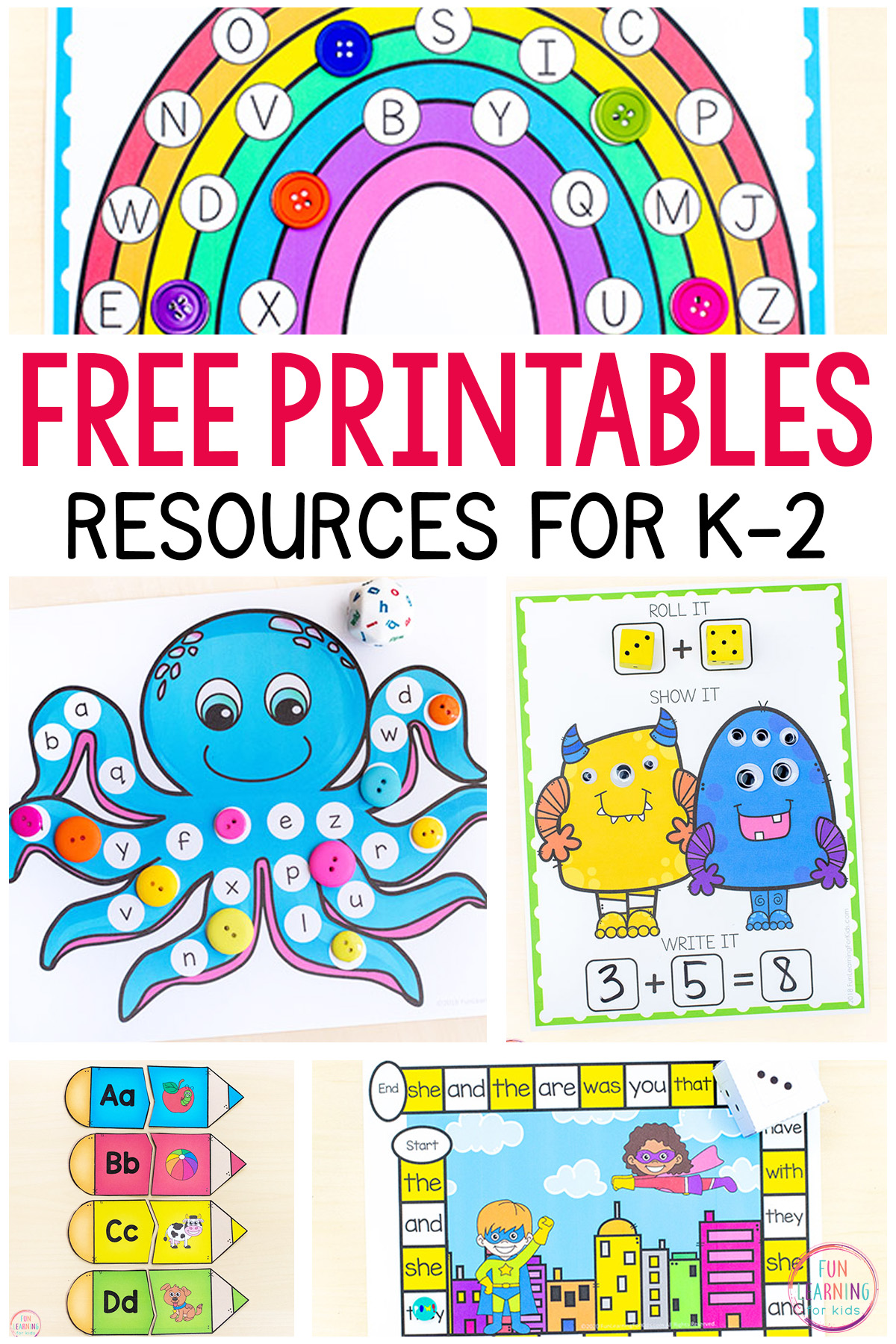
Free printable educational activities serve as foundational tools that bridge tactile manipulation and formal visual literacy for developing minds. According to the National Association for the Education of Young Children (NAEYC), structured visual engagement through printable worksheets directly enhances a child’s cognitive mapping, fine-motor coordination, and spatial analysis. Integrating systematic visual tasks into daily instruction helps educators foster critical observation skills. Utilizing these structured materials allows children to transition smoothly from basic shape identification to complex proportion estimation. Exploring resources such as Educational Activities provides access to research-backed tools tailored for early learners.
Visual Learning & Skill Snapshot:
- Core Focus: Free printable educational activities designed for spatial awareness and observational drawing.
- Target Skill: Spatial reasoning, visual discrimination, fine-motor proportion, and photo-based concept mastery.
- Key Recommendation: Pair high-contrast grid worksheets with real photo references to maximize cognitive retention.
Core Principles and Visual Learning Overview
Free printable educational activities harness the power of visual scaffolding to transform abstract cognitive milestones into tangible developmental achievements. Utilizing Grid Drawing worksheets allows children to break down complex photographic references into manageable spatial quadrants, which dramatically reduces cognitive overload. This technique anchors young learners in precise proportional estimation, teaching them to look past preconceived mental symbols and draw exact observed lines. Concurrently, implementing Photo Flashcards supports rapid visual discrimination by connecting real-world imagery directly to foundational vocabulary and geometric categorization. By systematically pairing grid-based replication with photographic stimuli, educators activate both analytical left-brain processing and creative right-brain interpretation.
Key Specifications and Breakdown
| Age / Learning Stage | Visual Skill & Grid Ratio | Pedagogical Application & Scaffolding |
|---|---|---|
| Ages 3-4 (Preschool) | 2×2 Grid / High-Contrast Real Photo | Builds basic spatial awareness and object recognition through simple block-by-block replication. |
| Ages 5-6 (Kindergarten) | 4×4 Grid / Detailed Subject Photography | Enhances proportion estimation and line precision using targeted observational prompts. |
| Ages 7-8 (Early Elementary) | 6×6 Grid / Complex Natural Imagery | Refines intricate coordinate mapping and analytical drawing habits for independent study. |
Systematic visual instruction utilizing structured grid frameworks significantly accelerates children’s spatial working memory and fine-motor precision by anchoring abstract concepts in concrete observational coordinates. — National Art Education Association (NAEA)
Step-by-Step Practical Application and Printing Guidelines
Executing free printable educational activities effectively requires strict adherence to high-contrast printing protocols and careful spatial preparation. Educators should always print worksheets at 100% scale without page-fitting distortions to ensure grid proportions remain perfectly square. Instructors must begin by introducing the reference photo alongside the corresponding blank grid sheet, demonstrating how to isolate one single square at a time with a masking card. Children should lightly sketch the intersecting lines visible within that specific coordinate before moving horizontally or vertically across the page. This method eliminates visual clutter, encourages deep concentration, and ensures that final proportions mirror the original real-world subject accurately.
Common Challenges and How to Avoid Them
Addressing common pitfalls in observational printing prevents early frustration and builds lasting academic confidence in young learners. Rushing through complex coordinate squares is the single most frequent error, often corrected by introducing tactile finger-tracking tools to isolate individual sections. Children frequently attempt to draw the entire object at once rather than focusing strictly on line intersections within a single grid box. Providing distinct boundary markers and breaking lessons into short, five-minute focused sessions helps maintain optimal engagement. Ensuring that printouts utilize sharp, high-resolution imagery prevents ambiguous lines and supports accurate visual interpretation.
💬 Frequently Asked Questions
Explore More Free Learning Printables and Visual Activities on WePhotoAgency
Empowering young learners with structured visual tools transforms foundational education into an engaging, confidence-building experience. Accessing a comprehensive library of professional resources enables parents and educators to maintain high academic standards while nurturing natural curiosity. Discover extensive collections of developmental tools, worksheets, and teaching aids by visiting the primary resource hub at WePhotoAgency.com today.
Visual Reference Gallery