Introduction
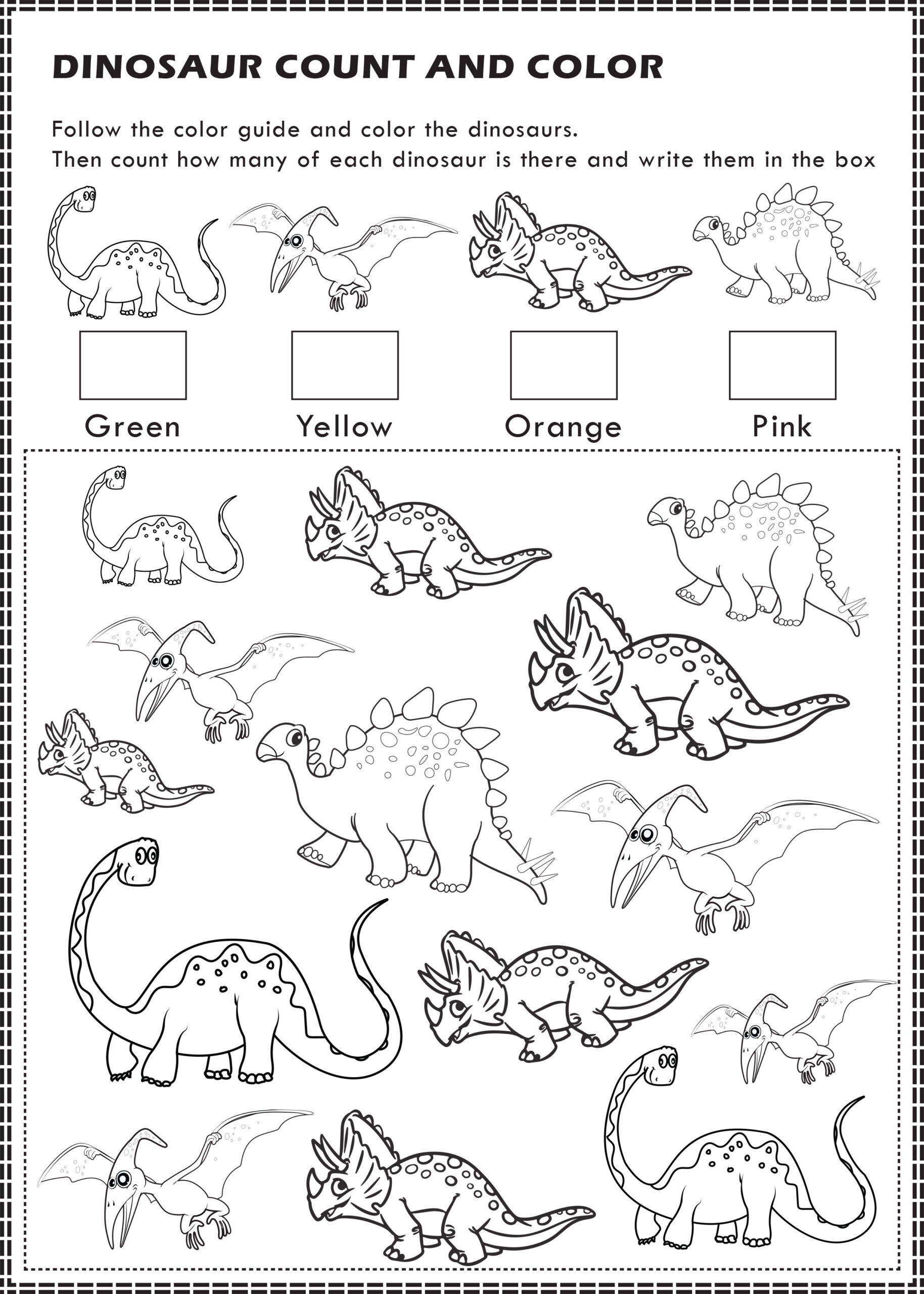
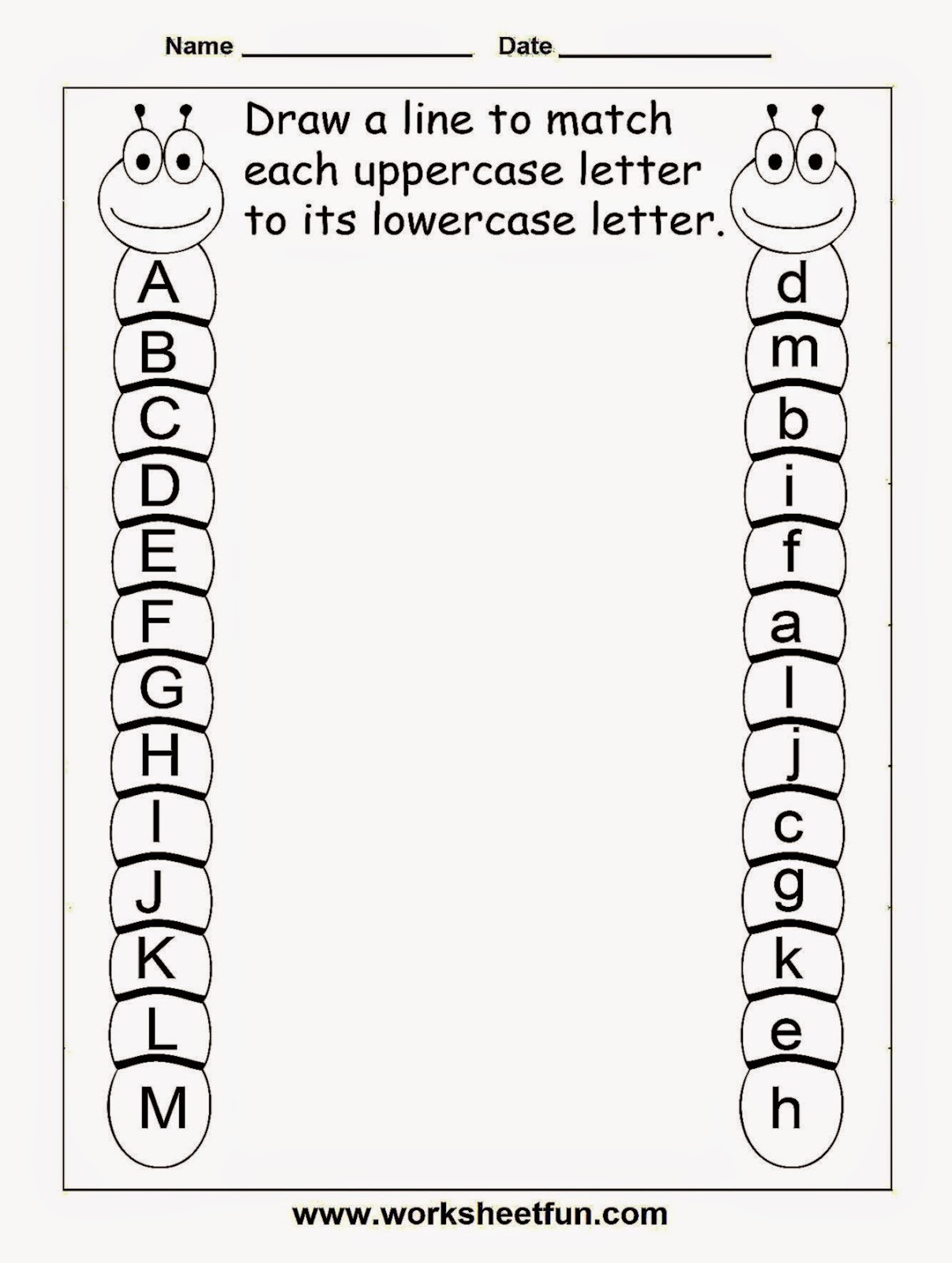
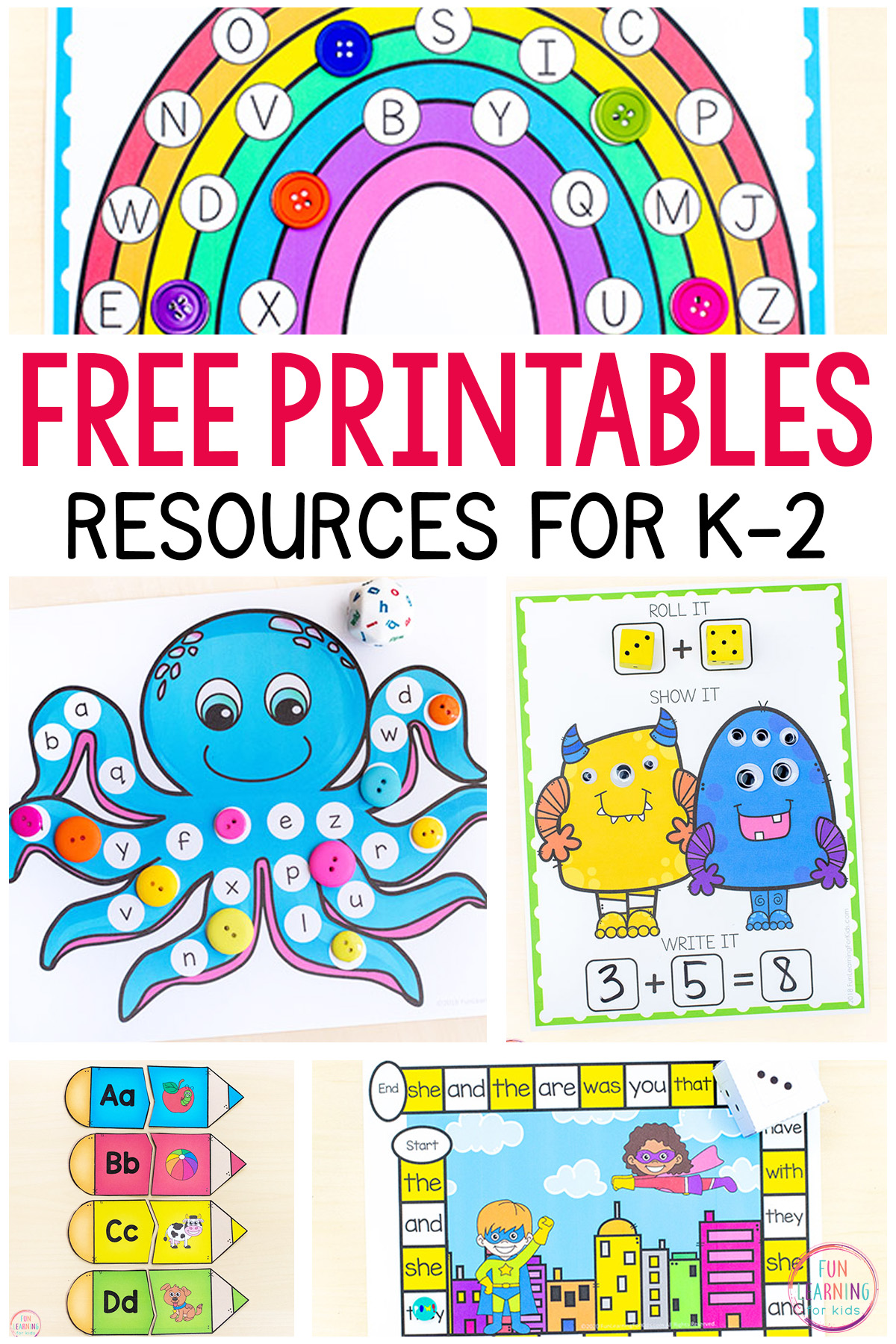
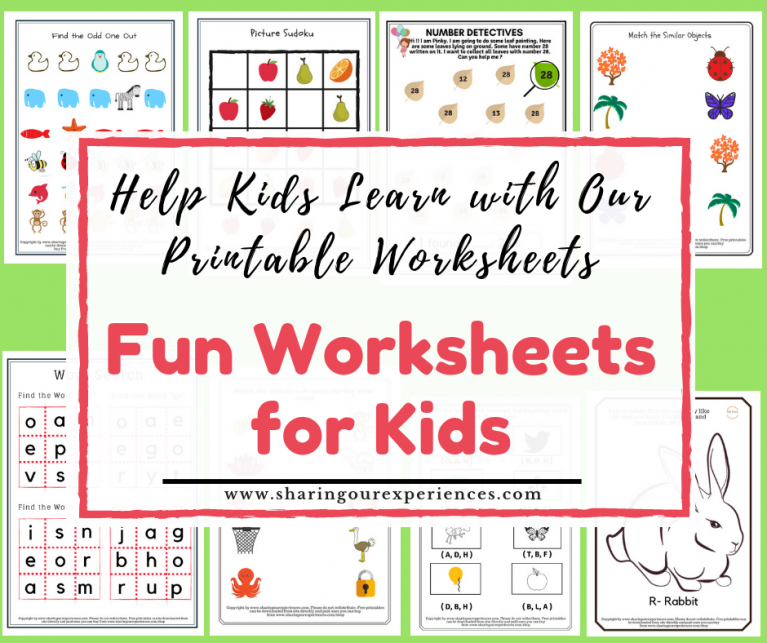
Free educational activities for kids near me encompass localized community resources, public library print stations, and accessible digital archives that provide structured visual learning tools for early childhood development. According to the National Association for the Education of Young Children (NAEYC), purposeful visual engagement and hands-on manipulation of spatial materials directly strengthen cognitive scaffolding, fine-motor coordination, and mathematical readiness in young learners. Early childhood educators, parents, and homeschoolers continually seek high-yield, no-cost resources that cultivate observation skills without requiring expensive commercial kits. By utilizing high-resolution printable worksheets, children bridge the gap between abstract visual concepts and concrete spatial mastery. Integrating Educational Activities into daily routines ensures that visual literacy is developed through consistent, developmentally appropriate practice. Grounded in cognitive developmental principles, these tools transform everyday environments into dynamic art and spatial reasoning studios.
Visual Learning & Skill Snapshot:
- Core Focus: Free educational activities for kids near me deliver accessible, zero-cost printable resources for visual and spatial development.
- Target Skill: Spatial reasoning, visual discrimination, fine-motor proportion estimation, and photographic observation.
- Key Recommendation: Utilize open-source grid printouts alongside real photo flashcards to ground abstract drawing in realistic visual evidence.
Core Principles and Visual Learning Overview
Visual arts education relies heavily on developing accurate proportion estimation and spatial awareness through systematic observation of real-world subjects. When children engage with Grid Drawing exercises, cognitive load is systematically reduced by breaking complex visual forms down into manageable coordinate squares. This technique trains the developing brain to analyze negative space, line orientation, and relative scale rather than relying on symbol-based mental shortcuts. Simultaneously, pairing these exercises with Photo Flashcards replaces cartoon illustrations with high-definition photographic representations, enriching semantic memory and categorical understanding. Educators utilize these zero-cost tools to foster deep visual literacy, ensuring that children learn to translate three-dimensional observations onto two-dimensional planes with increasing accuracy and confidence.
Key Specifications and Breakdown
| Age / Learning Stage | Visual Skill & Grid Ratio | Pedagogical Application & Scaffolding |
|---|---|---|
| Ages 4-5 (Early Years) | 2×2 or 3×3 simple photo grids | Focuses on gross contour matching, color identification, and basic fine-motor pencil control using real animal or object cards. |
| Ages 6-8 (Early Elementary) | 4×4 to 6×6 intermediate grids | Emphasizes proportion estimation, coordinate tracking, and observing fine textural details from photographic references. |
| Ages 9-11 (Upper Elementary) | 8×8 advanced proportional grids | Targets precision scaling, angle measurement, negative space analysis, and independent artistic self-correction. |
Systematic visual arts instruction significantly enhances non-verbal spatial reasoning, geometric comprehension, and fine-motor precision in early childhood development. — National Art Education Association (NAEA)
Step-by-Step Practical Application and Printing Guidelines
Implementing free educational activities for kids near me effectively requires careful selection, high-contrast printing, and deliberate environmental setup. To begin, locate open-access digital repositories that offer clean, high-resolution PDF worksheets to ensure crisp grid lines that do not strain young eyes. Print worksheets on standard heavy-weight cardstock rather than thin copy paper to prevent buckling when children apply graphite or colored pencils during detailed shading tasks. Place the reference photo directly adjacent to the blank drawing grid to facilitate eye-tracking and bilateral visual coordination. Instruct learners to scan individual squares systematically from top-left to bottom-right, encouraging them to isolate each coordinate cell rather than attempting to draw the entire subject at once. Providing a viewing frame or a cardboard finder window further helps young artists eliminate peripheral distractions and focus intensely on proportion and line direction.
Common Challenges and How to Avoid Them
Frustration during visual proportion tasks typically stems from cognitive overload caused by overly complex reference images or inadequate grid scaling. Educators and parents can prevent this by selecting high-contrast, simple photographic subjects for beginners, gradually increasing grid density only after mastery is demonstrated in smaller matrices. Another frequent hurdle involves children rushing through coordinate squares and distorting proportions; combat this by introducing viewfinder cards that isolate single grid cells for focused scrutiny. Ensuring that pencils are sharp and erasers are non-smudging also preserves the physical neatness of the worksheet, preventing discouragement caused by messy work surfaces. By maintaining a patient, process-oriented environment, adults help children view mistakes as critical spatial data rather than failures.
💬 Frequently Asked Questions
Explore More Free Learning Printables and Visual Activities on WePhotoAgency
Discovering high-quality, zero-cost developmental resources empowers educators, homeschoolers, and parents to elevate daily learning without financial barriers. The extensive library curated at WePhotoAgency.com provides a robust selection of professionally designed printables, structured grid exercises, and vivid photographic tools tailored for diverse learning stages. Explore the complete collection today to enrich spatial reasoning, enhance fine-motor precision, and inspire lifelong visual creativity in children.
Visual Reference Gallery