Introduction
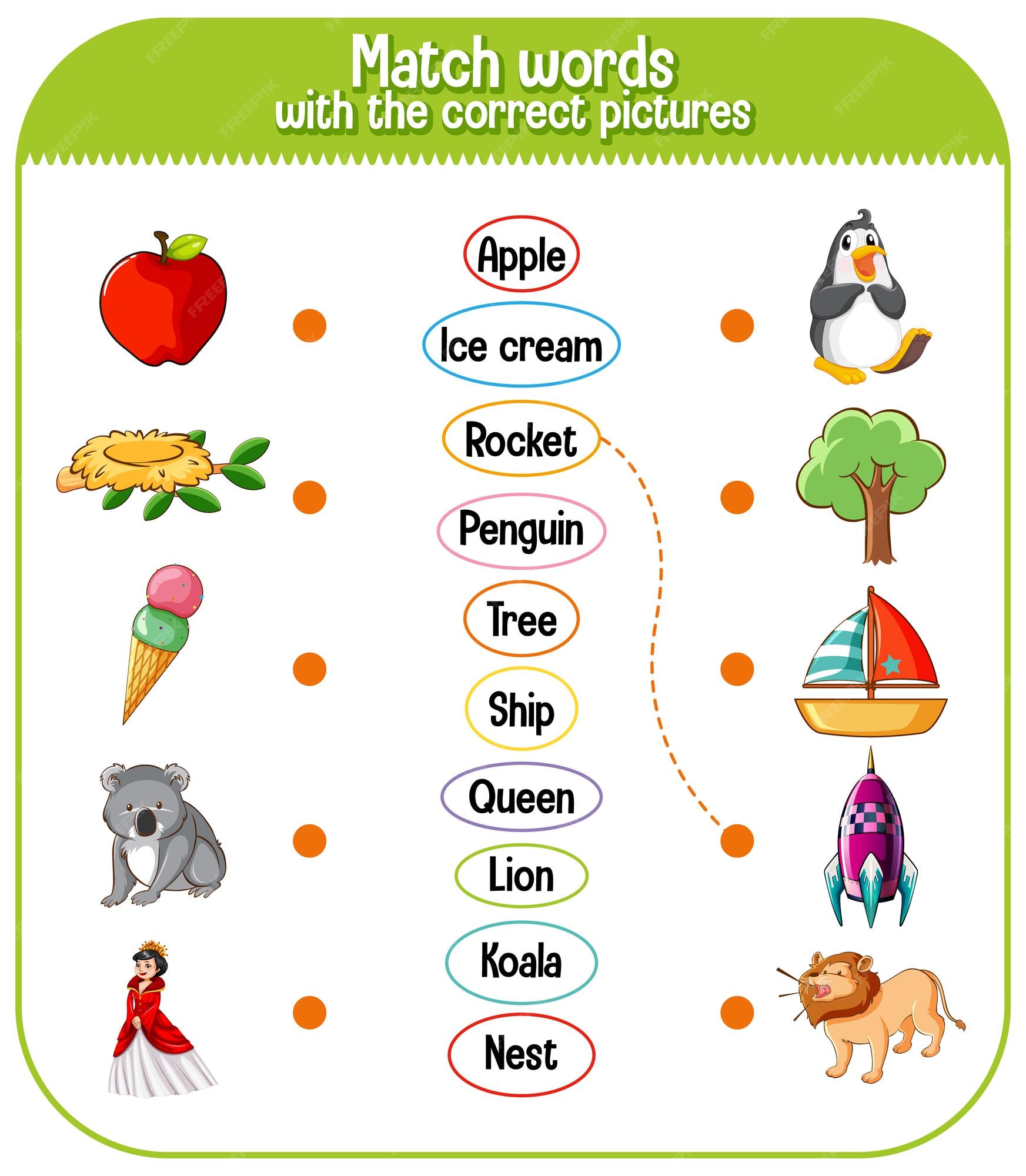
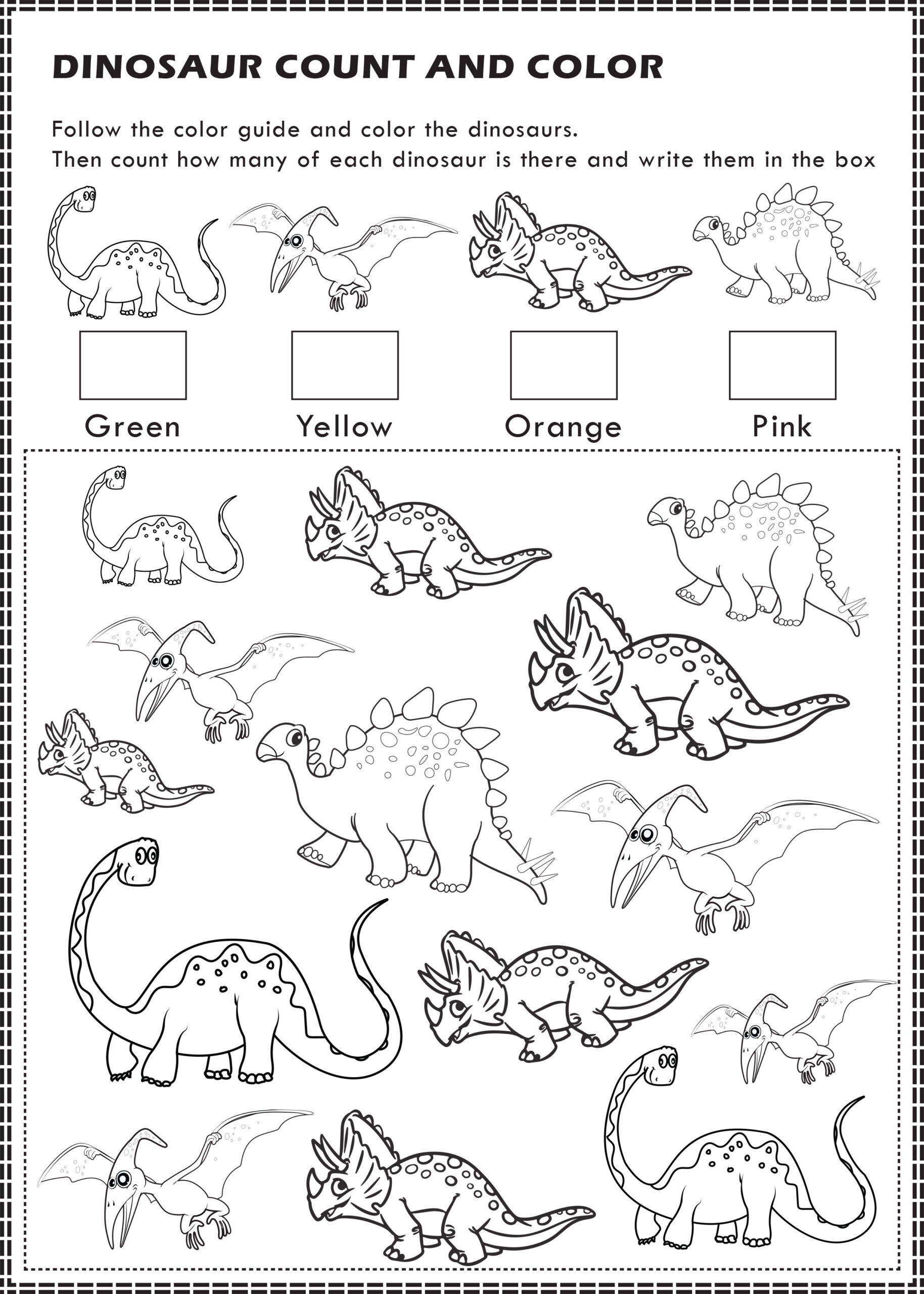
Activities for kids educational games for children establish critical foundations for spatial reasoning, proportional thinking, and fine-motor coordination by translating complex visual stimuli into manageable cognitive steps. According to the National Association for the Education of Young Children (NAEYC), structured visual learning tasks significantly enhance neurological development and executive function in early childhood. Integrating printable grid drawing worksheets alongside realistic photographic learning tools bridges the gap between abstract observation and tangible physical execution for young learners. Educators and caregivers seeking comprehensive resources can explore specialized Educational Activities to support holistic cognitive growth.
Visual Learning & Skill Snapshot:
- Core Focus: Activities for kids educational games for children utilizing structured grid divisions and real photo recognition.
- Target Skill: Spatial reasoning, visual discrimination, fine-motor proportion, and observation accuracy.
- Key Recommendation: Scaffold difficulty gradually from simple 2×2 grids up to complex multi-cell photographic matrices.
Core Principles and Visual Learning Overview
Systematic observation skills improve rapidly when children isolate visual information using standardized coordinate frameworks. Grid drawing exercises break down intimidating artistic subjects into isolated squares, allowing the developing brain to analyze line direction, negative space, and relative scale without cognitive overload. Simultaneously, real photo visual flashcards anchor abstract concepts in concrete reality, boosting semantic memory and visual literacy. Combining these modalities creates a robust multidisciplinary learning environment suitable for homeschool settings, traditional classrooms, and art studios alike. Further enrichment is accessible via curated Grid Drawing exercises designed specifically for early elementary development.
Key Specifications and Breakdown
| Age / Learning Stage | Visual Skill & Grid Ratio | Pedagogical Application & Scaffolding |
|---|---|---|
| Ages 3-4 (Preschool) | 2×2 Grid / High-Contrast Real Photo | Focuses on basic shape recognition, foundational matching, and gross motor pencil control. |
| Ages 5-7 (Early Elementary) | 3×3 to 4×4 Grid / Detailed Subject Matter | Builds proportion estimation, observation accuracy, and meticulous hand-eye coordination. |
| Ages 8-10 (Advanced Primary) | 6×6+ Grid / Complex Photographic Reference | Refines analytical spatial mapping, shading awareness, and independent error correction. |
Visual-spatial manipulation tasks directly correlate with enhanced mathematical achievement and problem-solving capacities in young learners. — National Art Education Association (NAEA)
Step-by-Step Practical Application and Printing Guidelines
High-contrast printing and sturdy paper stocks ensure optimal tactile interaction during hands-on visual lessons. Caregivers should print worksheets on heavyweight cardstock to prevent tearing during intensive eraser use and pencil dragging. Introduce each session by discussing the reference image as a whole before guiding the child to cover all grid cells except the top-left quadrant. This isolation technique forces targeted concentration, preventing visual fatigue and teaching children how to compartmentalize complex problems. Teachers can also incorporate Photo Flashcards into warm-up routines to prime visual memory prior to drawing execution.
Common Challenges and How to Avoid Them
Frustration occurs most frequently when children attempt to draw entire objects at once rather than focusing strictly on individual coordinate intersections. Instructors should intervene by providing opaque template blockers that reveal only one grid square at a time, keeping focus narrow and manageable. Furthermore, ensure pencils are well-sharpened and erasers are clean to maintain crisp grid lines, reducing visual clutter that often confuses young draftsmen during proportion estimation tasks.
💬 Frequently Asked Questions
Explore More Free Learning Printables and Visual Activities on WePhotoAgency
Unlocking cognitive potential through creative play and structured observation forms the cornerstone of effective early childhood education. Caregivers, homeschoolers, and educators are invited to discover an extensive collection of professional learning assets, visual tools, and developmental printables by visiting WePhotoAgency.com today.
Visual Reference Gallery