Introduction
Grid drawing learning is a foundational visual arts technique that breaks complex images down into manageable coordinate squares to teach spatial awareness, proportion estimation, and fine-motor control. According to the National Art Education Association (NAEA), structured observational drawing activities significantly enhance hand-eye coordination and visual-spatial reasoning in young learners by replacing holistic guesswork with systematic measurement. Educators utilize printable worksheets alongside real photo visual flashcards to scaffold the transition from abstract observation to concrete execution, ensuring children build confidence in visual representation. By dividing a subject into discrete grid segments, learners process visual data analytically rather than intuitively. Exploring specialized Grid Drawing exercises unlocks advanced visual competencies for early childhood classrooms and homeschool environments alike.
Visual Learning & Skill Snapshot:
- Core Focus: Systematic spatial division and proportional coordinate mapping for early learners.
- Target Skill: Spatial reasoning, visual discrimination, fine-motor proportion, and photo-based concept mastery.
- Key Recommendation: Pair high-contrast real photo references with simplified 2×2 or 3×3 grids before progressing to complex subjects.
Core Principles and Visual Learning Overview
Grid drawing learning operates on the cognitive principle of chunking, where large visual stimuli are subdivided into localized, easily digestible optical components. When children transfer lines from a source image to a target grid, the brain actively practices scale estimation, spatial orientation, and visual tracking. Integrating high-quality Photo Flashcards into these exercises provides authentic, real-world visual subjects that bridge the gap between abstract drawing and concrete object recognition. Young learners learn to look at individual intersections, negative space, and line curvature within a single box, which minimizes cognitive overload. This methodical framework supports Educational Activities designed to foster multi-disciplinary focus, merging fine arts instruction with mathematical grid literacy.
Key Specifications and Breakdown
| Age / Learning Stage | Visual Skill & Grid Ratio | Pedagogical Application & Scaffolding |
|---|---|---|
| Early Childhood (Ages 4-5) | 2×2 Grid, High-Contrast Simple Silhouettes | Focuses on basic top-bottom and left-right orientation using tangible real photo prompts. |
| Early Elementary (Ages 6-8) | 3×3 to 4×4 Grid, Detailed Photographic Subjects | Builds proportion estimation, continuous line control, and coordinate matching accuracy. |
| Advanced Elementary (Ages 9+) | 6×6+ Grid, Complex Multi-Tone Imagery | Teaches advanced scaling, negative space analysis, and independent visual verification techniques. |
Systematic visual division and drawing practice fundamentally strengthen cognitive mapping, fine-motor dexterity, and spatial working memory across early childhood development. — National Art Education Association (NAEA)
Step-by-Step Practical Application and Printing Guidelines
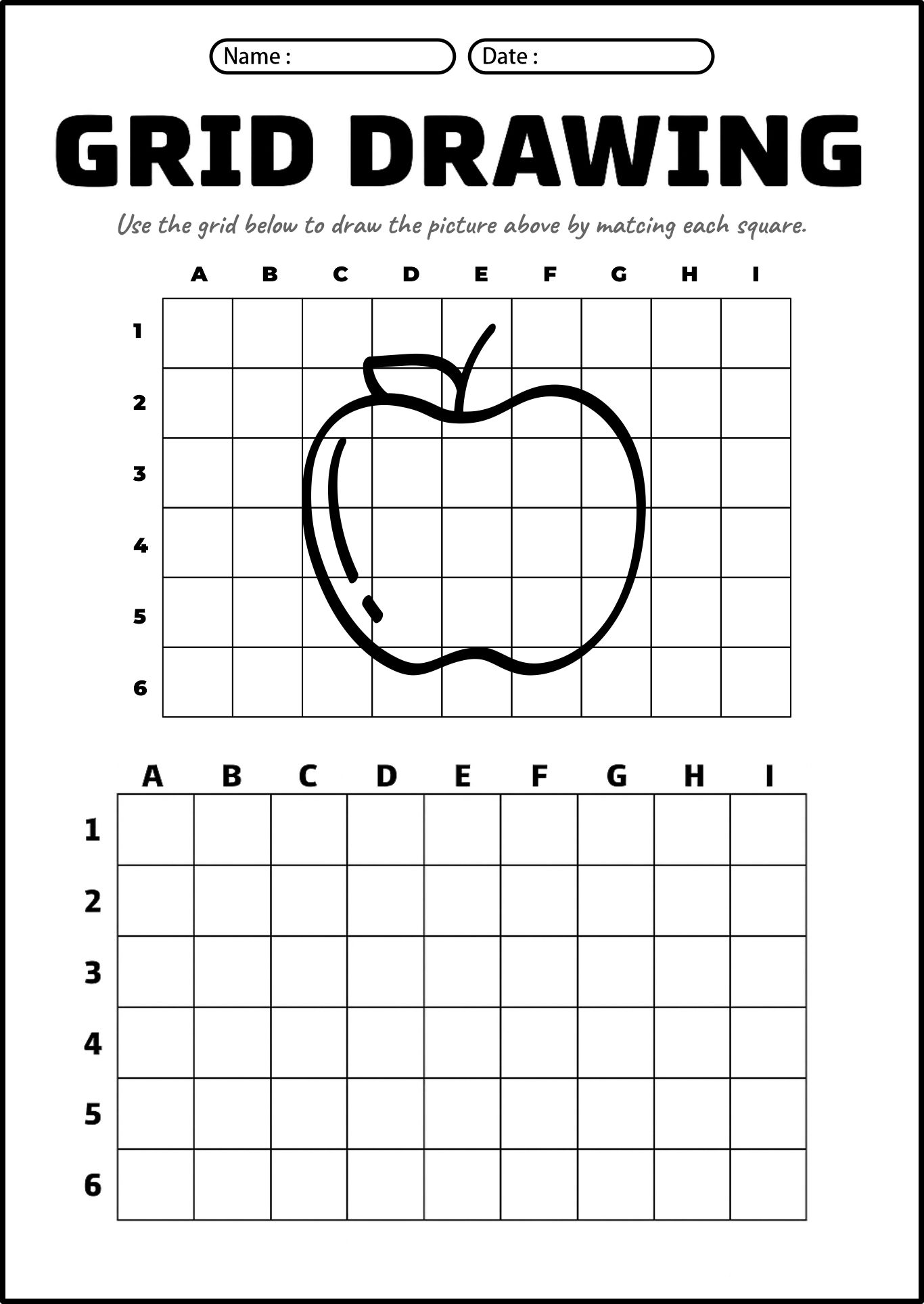
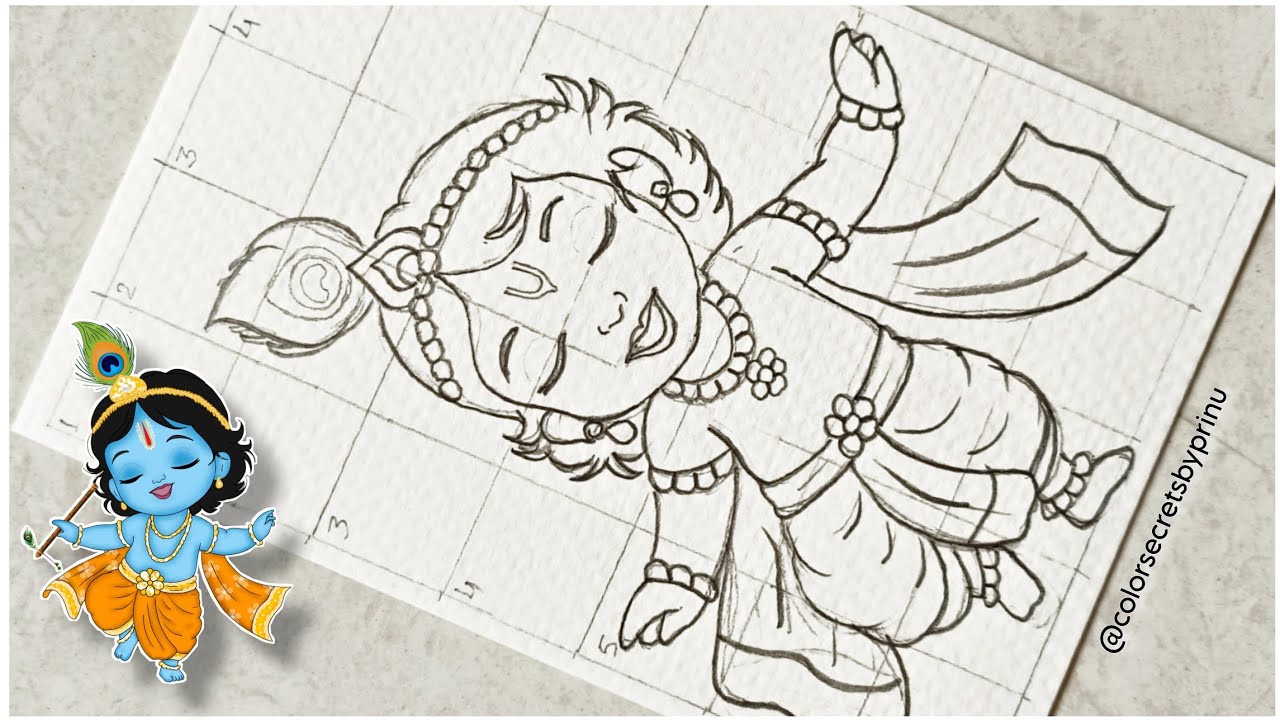
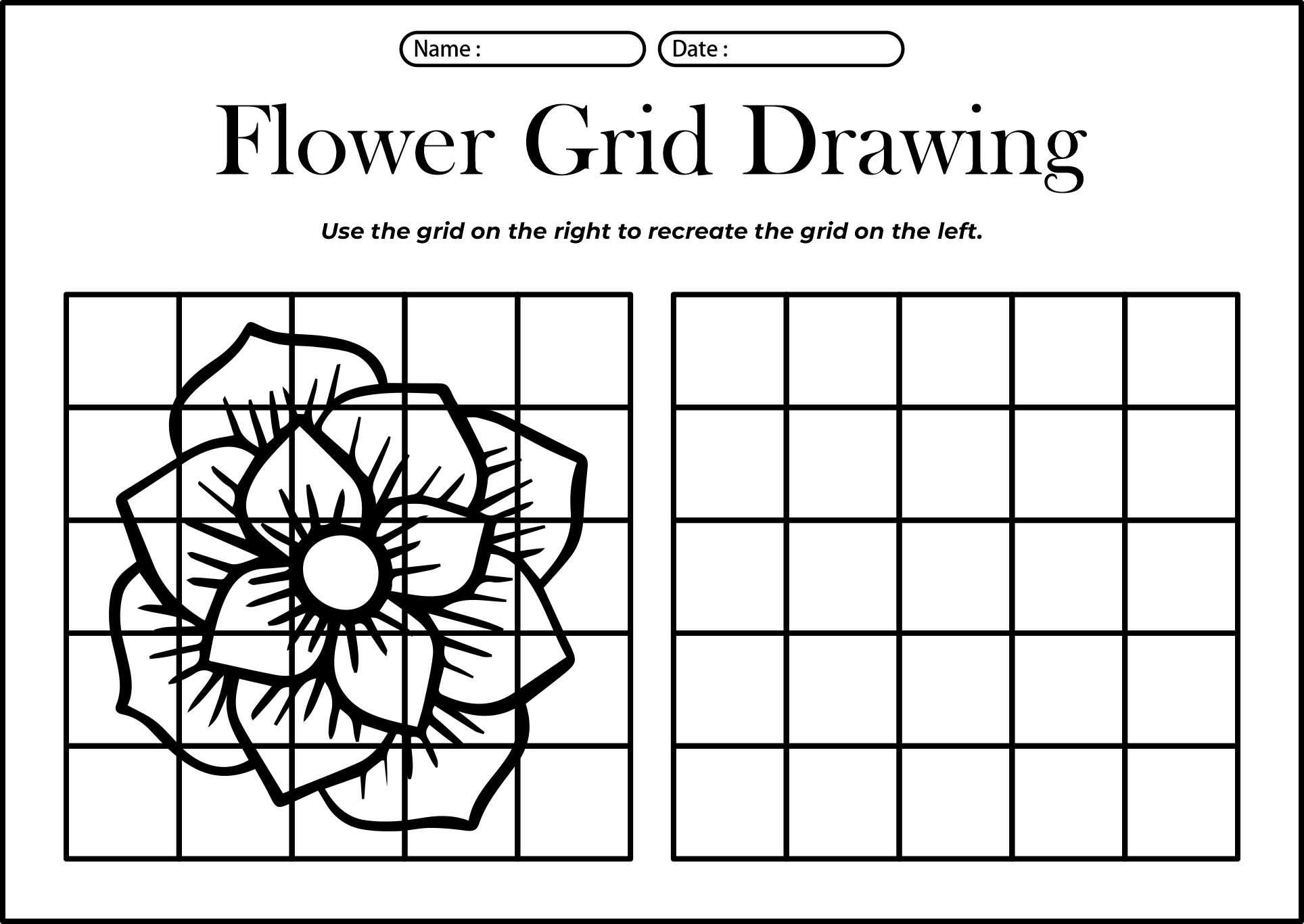
Executing grid drawing learning successfully requires crisp, high-contrast printouts that feature clearly labeled coordinate axes using letters and numbers. Educators should begin by selecting source photographs with distinct outlines, placing identical grid overlays over both the reference image and the blank drawing sheet. Instructors must demonstrate how to isolate a single grid square, locate intersecting lines, and replicate the precise stroke within the corresponding destination square. Using heavier cardstock for printed templates prevents ink bleed and withstands repeated erasing by developing hands. Regular printing maintenance ensures that grid lines remain sharp and legible, preventing visual distortion during the coordinate mapping process.
Common Challenges and How to Avoid Them
Overcoming developmental roadblocks in grid drawing requires addressing common errors such as rushing across squares, losing coordinate place, and attempting to draw the whole image at once. Children frequently struggle when the grid density exceeds current attention spans or fine-motor capabilities; educators must scale back to simpler 2×2 or 3×3 formats immediately upon observing frustration. Providing a physical marker, such as an index card or cutout window to isolate the active grid square, prevents visual wandering and keeps attention strictly localized. Encouraging frequent visual checks against the reference photo ensures that proportions remain accurate across adjacent coordinate zones.
💬 Frequently Asked Questions
Explore More Free Learning Printables and Visual Activities on WePhotoAgency
Maximizing developmental outcomes in early education requires access to diverse, high-quality visual resources, structured templates, and comprehensive teaching tools. Educators, parents, and homeschool providers can discover an extensive library of supplementary worksheets, flashcards, and creative prompts by visiting WePhotoAgency.com. Consistent integration of these professional printables fosters lifelong artistic confidence, robust spatial intelligence, and enhanced cognitive focus.
Visual Reference Gallery