Introduction
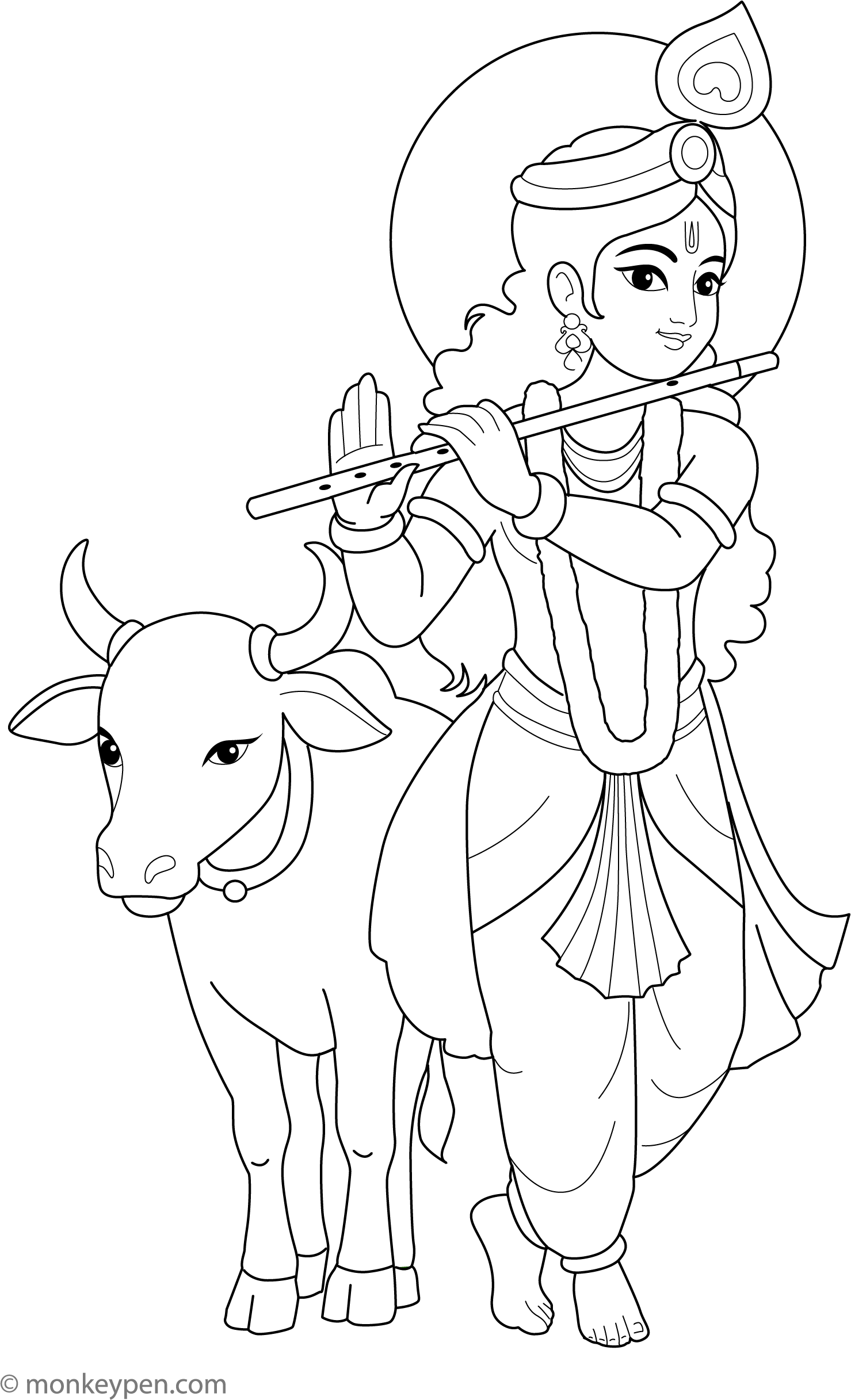
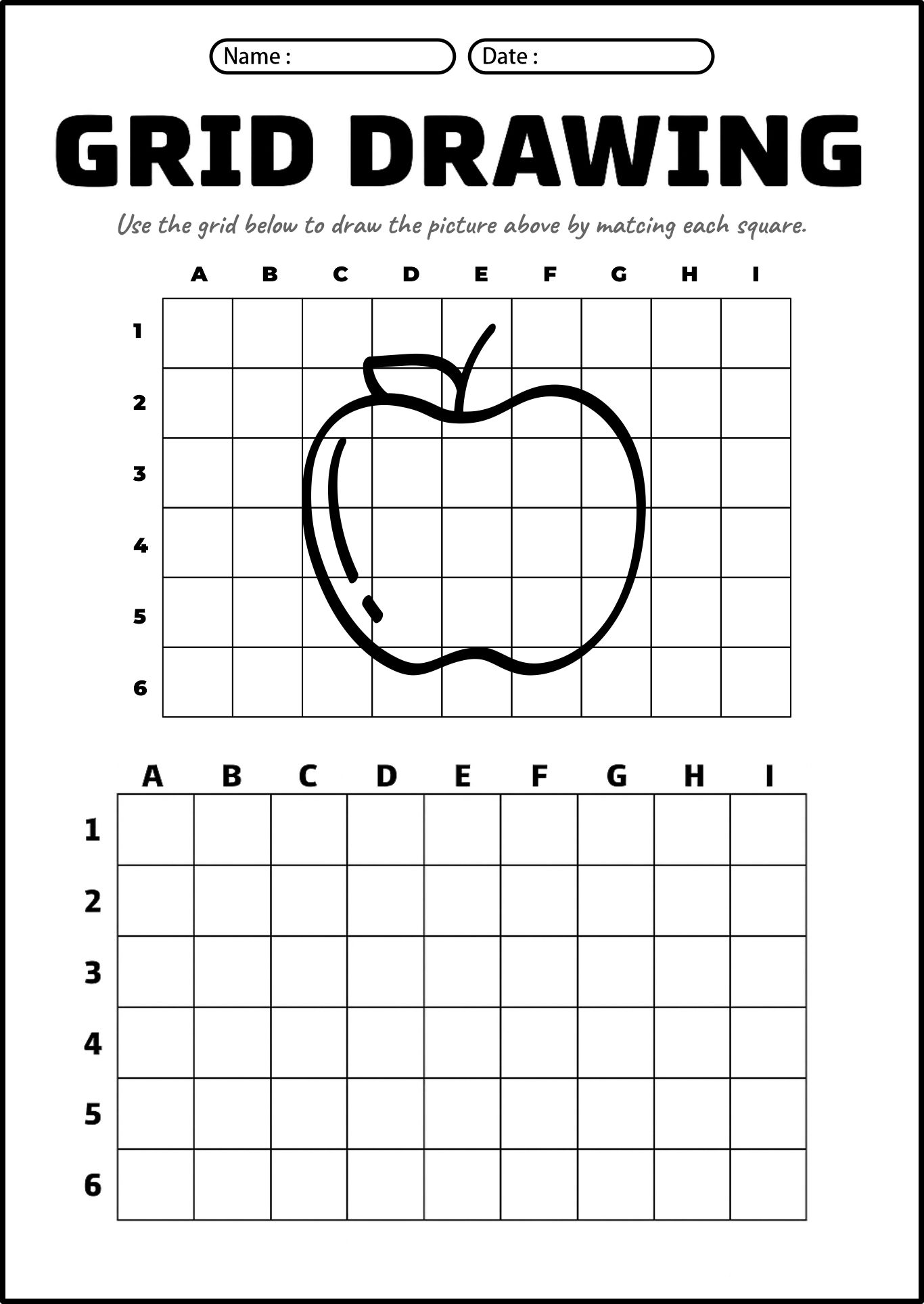
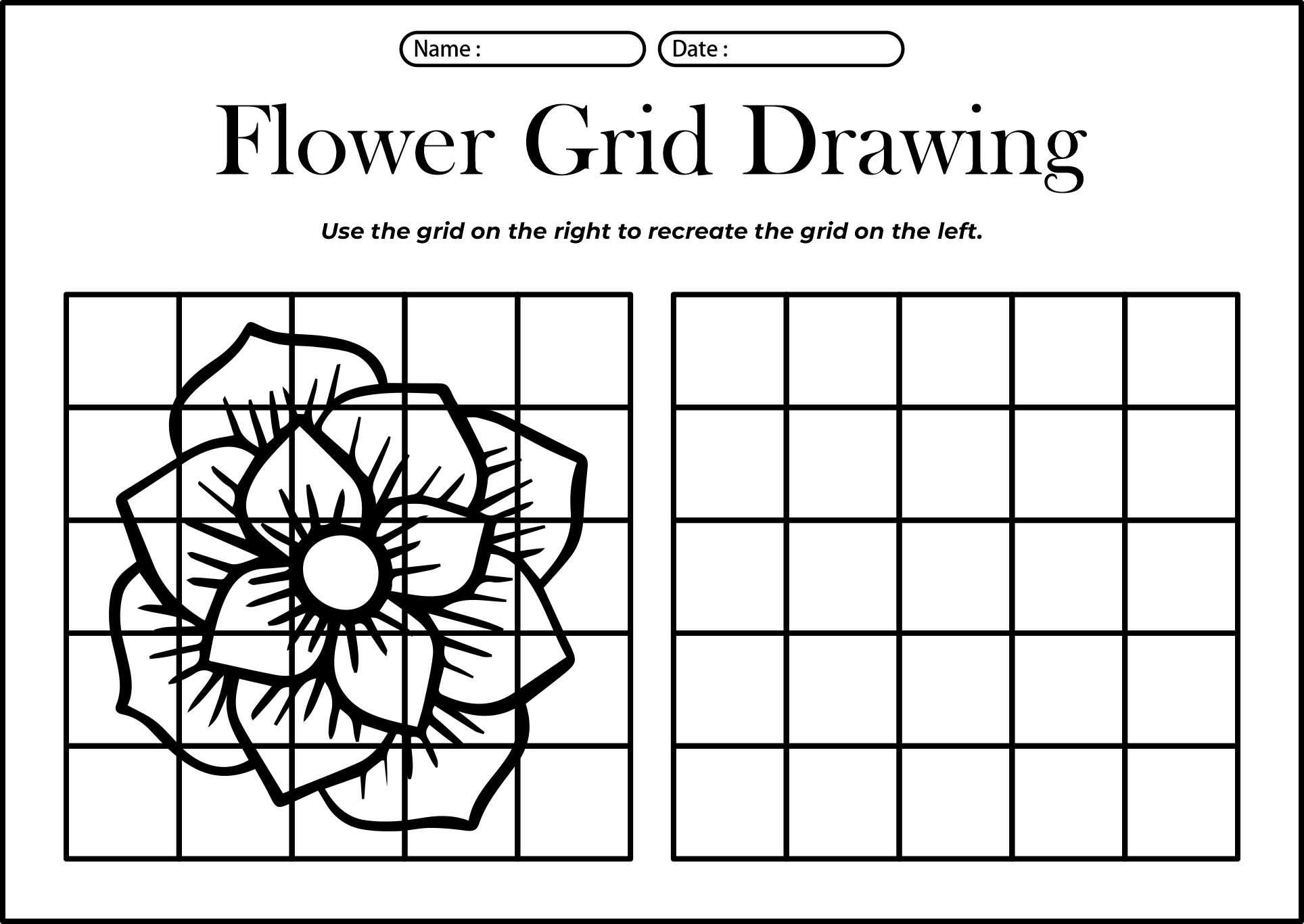
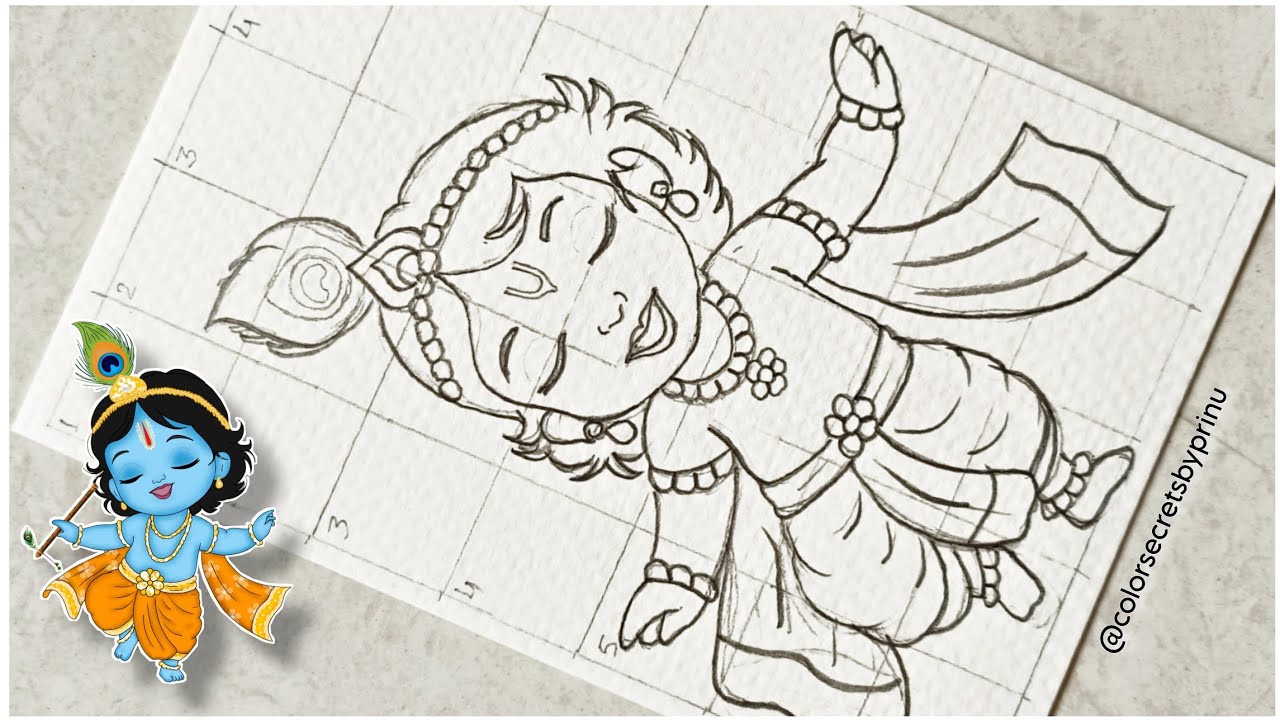
Grid drawing krishna is a structured visual art technique utilizing coordinate-based compartmentalization to teach spatial awareness, proportion estimation, and fine-motor control to early learners. According to the National Art Education Association (NAEA), structured observational drawing exercises using systematic grids significantly enhance cognitive mapping and hand-eye coordination in developing children. Integrating these drawing methods with Grid Drawing exercises allows educators to break down complex imagery into manageable visual units, fostering confidence and precision. Furthermore, pairing these worksheets with Photo Flashcards strengthens real-world visual discrimination and shape recognition across early childhood curricula.
Visual Learning & Skill Snapshot:
- Core Focus: Coordinate-based visual decomposition and scale reproduction for young learners.
- Target Skill: Spatial reasoning, visual discrimination, fine-motor proportion, and observation accuracy.
- Key Recommendation: Utilize high-contrast reference images and simplified 3×3 or 4×4 printable grids for initial skill acquisition.
Core Principles and Visual Learning Overview
Coordinate-based grid decomposition transforms complex artistic renderings into isolated, easily digestible visual cells that young learners can process without cognitive overload. This methodology relies on the Gestalt principle of perception, helping children see individual lines, curves, and negative spaces rather than attempting to render a complex whole all at once. By transferring visual data square by square, students develop foundational cartographic and geometric intuition applicable across STEM and art disciplines. Supplemental Educational Activities further reinforce these cognitive frameworks through kinesthetic engagement and tactile manipulation.
Key Specifications and Breakdown
| Age / Learning Stage | Visual Skill & Grid Ratio | Pedagogical Application & Scaffolding |
|---|---|---|
| Ages 4-5 (Early Foundation) | 3×3 grid with bold, thick reference outlines | Focuses on basic shape tracking, quadrant identification, and large-motor pencil control. |
| Ages 6-7 (Developing Mastery) | 4×4 grid with intermediate feature details | Emphasizes proportion estimation, curve continuity, and independent box-to-box scanning. |
| Ages 8-10 (Advanced Practice) | 6×6 grid with high-detail photographic references | Refines intricate line weight, shading translation, and multi-quadrant spatial synthesis. |
Structured visual partitioning significantly reduces cognitive load and enhances perceptual accuracy during early childhood graphic representation tasks. — National Art Education Association (NAEA)
Step-by-Step Practical Application and Printing Guidelines
Executing structured drawing worksheets requires clear visual preparation, high-contrast printing, and deliberate adult scaffolding. Educators and parents should print the reference sheet and the blank coordinate grid side by side on heavyweight matte cardstock to prevent pencil tear and bleed-through. Instruct the learner to examine one specific grid square at a time—starting from the top left corner—and replicate only the intersecting lines contained within that specific boundary before moving horizontally. Using a viewfinder or an L-shaped paper mask can isolate individual squares for children who struggle with visual crowding, ensuring sustained focus and successful proportion translation.
Common Challenges and How to Avoid Them
Children frequently encounter frustration when attempting to draw entire facial features or ornamentation across multiple grid squares simultaneously instead of focusing on single line intersections. Mitigate this challenge by encouraging learners to use a finger or pointer card to isolate the active working square, effectively blocking out visual distractions. Another common pitfall involves scaling errors caused by starting in the middle of the grid rather than the top-left boundary; enforcing a strict left-to-right, top-to-bottom scanning habit builds reliable cognitive habits and eliminates spatial drift.
💬 Frequently Asked Questions
Explore More Free Learning Printables and Visual Activities on WePhotoAgency
Discover a vast collection of expertly crafted visual learning resources, printable worksheets, and developmental tools designed to inspire young minds at WePhotoAgency.com. Access specialized educational materials that transform foundational art instruction and cognitive skill-building into engaging, screen-free experiences for classrooms and home environments alike.
Visual Reference Gallery