Introduction
Grid drawing for windows leverages translucent surfaces and ambient natural light to bridge printable graphic templates with concrete spatial awareness. According to the National Association for the Education of Young Children (NAEYC), hands-on visual manipulation tasks significantly accelerate cognitive mapping and fine motor control during early developmental phases. Utilizing transparent window placements allows children to physically anchor reference lines, breaking down complex visual data into manageable geometric components. This instructional technique transforms vertical glass panes into luminous drawing boards, fostering exceptional hand-eye coordination and proportional estimation. Educators and caregivers integrate structured Grid Drawing exercises to enhance observational accuracy and foundational draftsmanship.
Visual Learning & Skill Snapshot:
- Core Focus: Tracing and scaling optical proportions via vertical translucent grid alignments.
- Target Skill: Spatial reasoning, visual discrimination, fine-motor proportion, and photo-based concept mastery.
- Key Recommendation: Secure printable templates securely using repositionable, residue-free mounting tabs to prevent visual shifting.
Core Principles and Visual Learning Overview
Optical proportion mastery relies on translating continuous visual imagery into discrete, coordinate-based segments through systematic perceptual scaffolding. When learners align printable reference sheets directly against windowpanes, natural illumination eliminates shadow interference, providing crystal-clear visibility for tracing contours and measuring coordinates. Pairing these structural grids with real-world Photo Flashcards bridges abstract geometric divisions with recognizable concrete objects, deepening cognitive retention. Children learn to isolate individual grid squares, analyzing line direction, negative space, and intersection points independently of the surrounding composition. This systematic decomposition reduces cognitive overload, enabling early elementary students to execute complex artistic replications with high fidelity and genuine self-confidence.
Key Specifications and Breakdown
| Age / Learning Stage | Visual Skill & Grid Ratio | Pedagogical Application & Scaffolding |
|---|---|---|
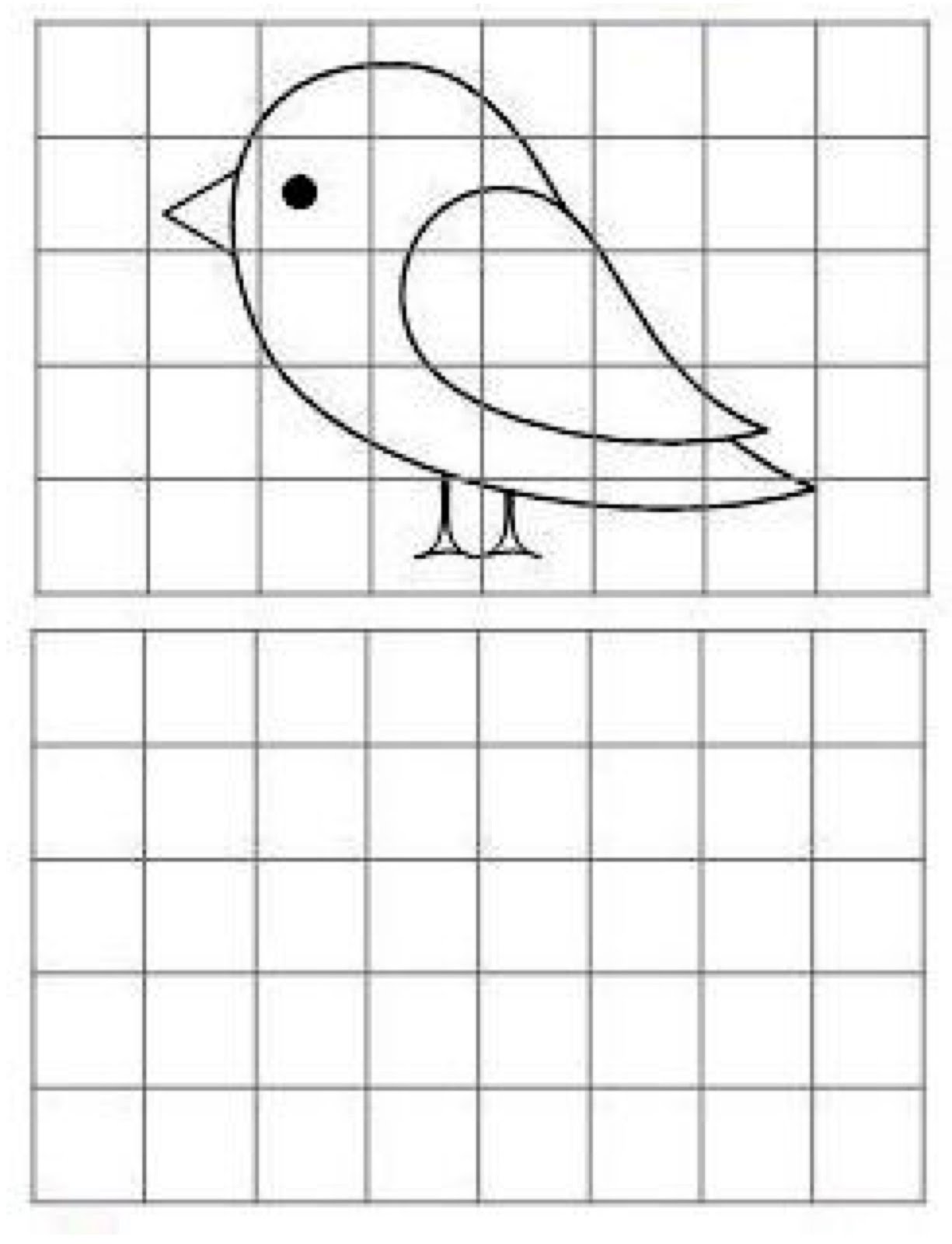
| Ages 4–5 (Early Explorer) | 2×2 or 3×3 coarse grid | Focuses on basic shape recognition, boundary awareness, and gross motor hand stability. |
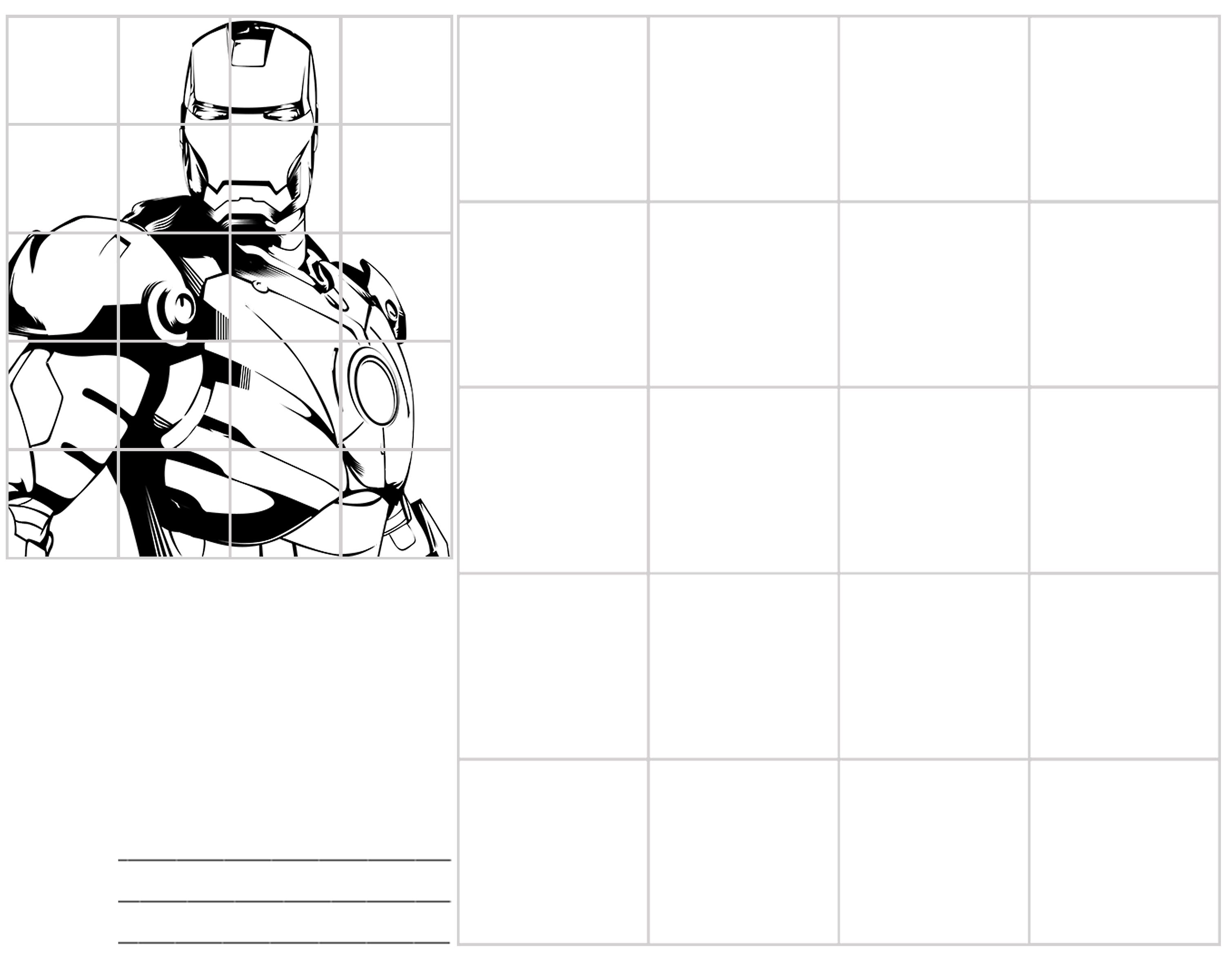
| Ages 6–7 (Developing Analyst) | 4×4 standard ratio | Enhances coordinate tracking, line continuity, and diagonal intersection mapping. |
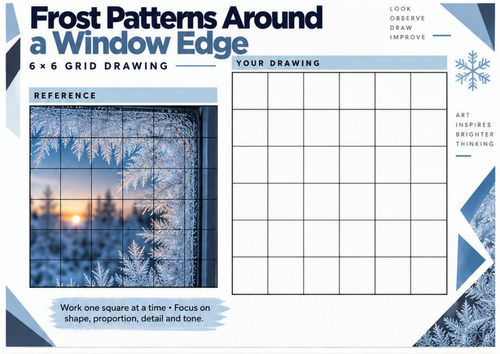
| Ages 8–9 (Advanced Practicioner) | 6×6 or dense proportional grids | Builds precise spatial scaling, shading calibration, and intricate photo-to-paper translation. |
Structured visual coordination frameworks measurably improve spatial memory retention and fine-motor precision in early childhood cognitive development. — National Art Education Association (NAEA)
Step-by-Step Practical Application and Printing Guidelines
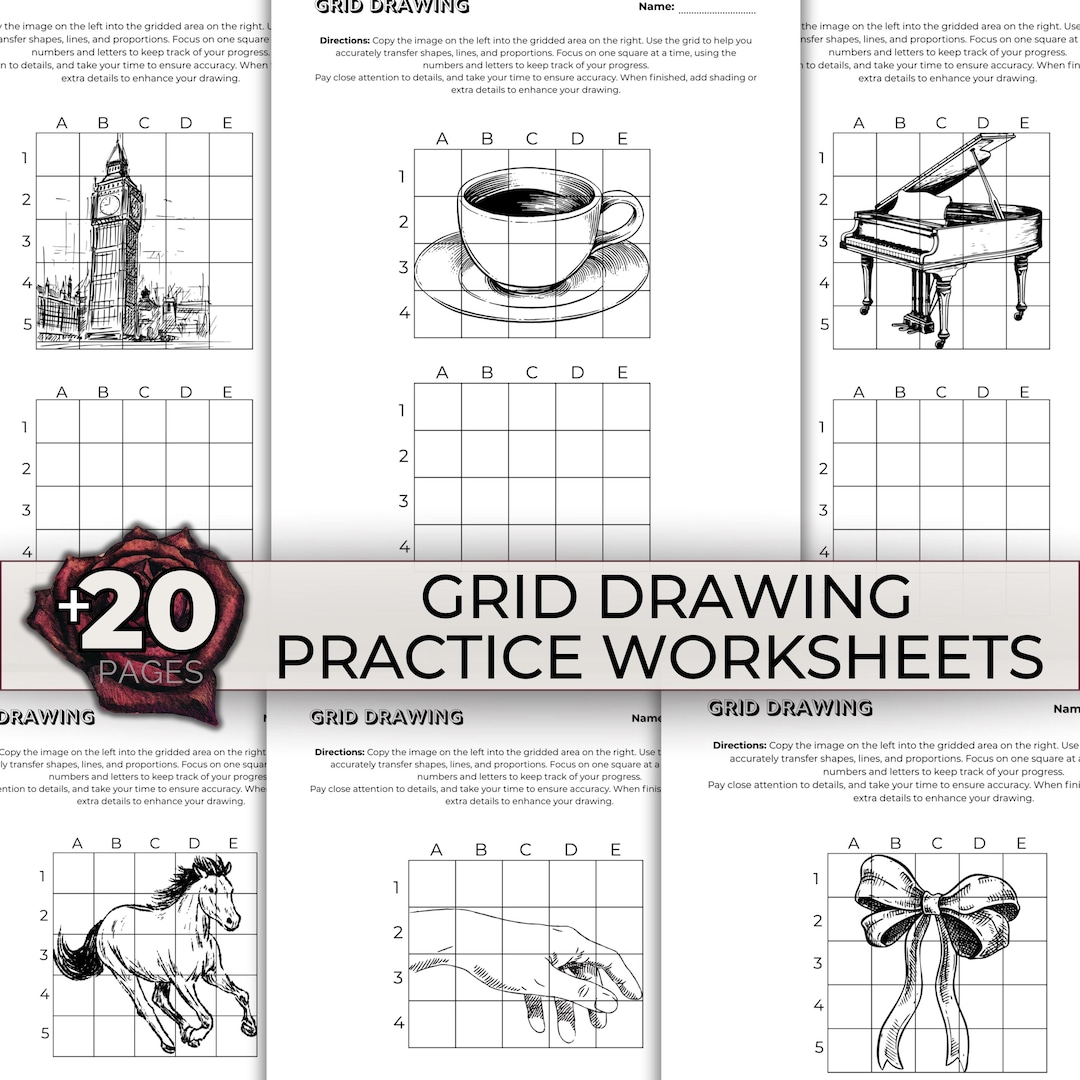
Executing window-based grid projects successfully requires durable print media, stable mounting mechanics, and clear sequential progression. Printable worksheets should be produced on heavyweight, semi-translucent vellum or standard printer paper using high-contrast black ink settings to maximize light penetration. Tape the reference photo or printed grid template securely to the exterior or interior window glass at eye level, ensuring the workspace remains ergonomically comfortable. Provide children with dry-erase markers, washable window paint pens, or specialized glass crayons that wipe away cleanly after completion. Implement diverse Educational Activities by alternating between geometric architectural templates and organic animal photography to sustain high engagement levels.
Common Challenges and How to Avoid Them
Template slippage and visual fatigue represent the most frequent obstacles encountered during vertical translucent drawing exercises. Securing reference sheets with painters tape at all four corners entirely eliminates frustrating alignment shifts while children apply active drawing pressure. To prevent eye strain and posture fatigue, limit continuous window-drawing sessions to manageable fifteen-minute intervals, ensuring proper standing or seating adjustments relative to window height. Encouraging learners to focus on single grid squares consecutively rather than attempting whole-image execution simultaneously prevents overwhelming perceptual confusion.
💬 Frequently Asked Questions
Explore More Free Learning Printables and Visual Activities on WePhotoAgency
Comprehensive developmental resources, printable templates, and expert-designed instructional tools remain readily accessible through the main WePhotoAgency.com portal. Educators, therapists, and homeschooling families can continuously expand their visual curriculum by downloading premium supplemental assets crafted to support early cognitive growth and creative expression.
Visual Reference Gallery