Introduction
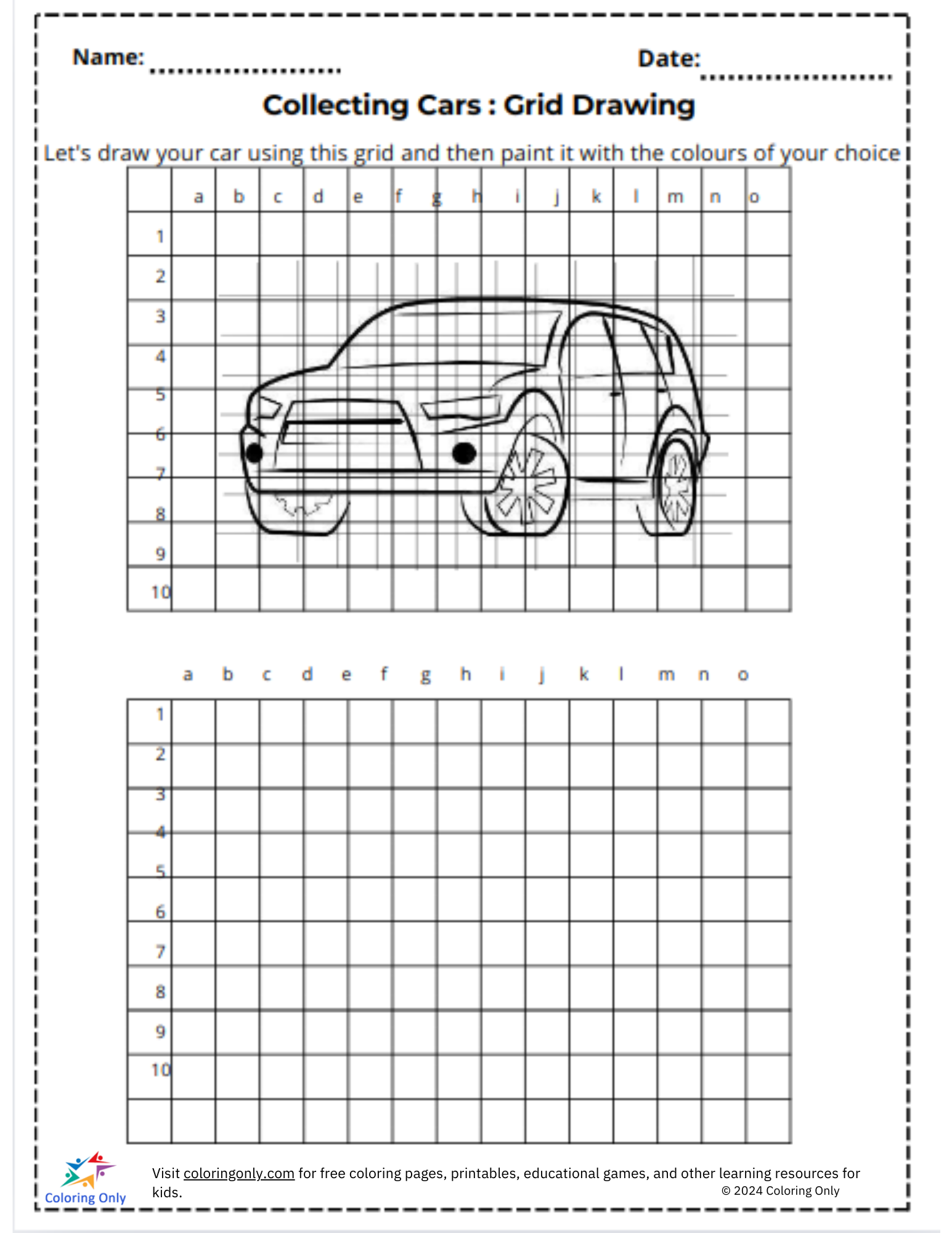
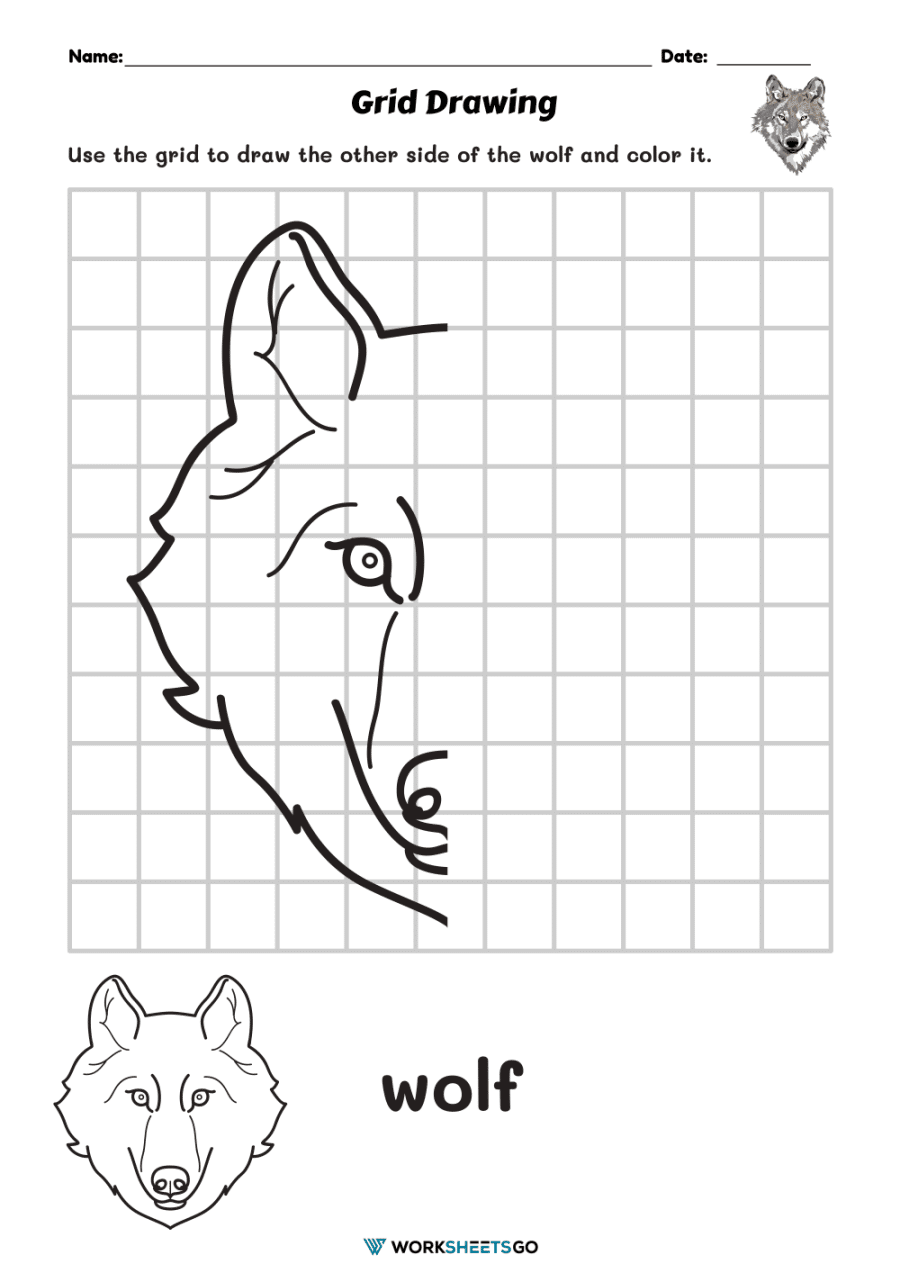
Grid drawing for elementary students is a foundational visual art technique that breaks complex photographic references into manageable square coordinates to teach spatial awareness, observation skills, and proportion estimation. According to the National Art Education Association (NAEA), structured observational drawing exercises significantly enhance cognitive mapping and fine-motor precision during early childhood development. Integrating printable worksheets and real photo Photo Flashcards transforms abstract artistic concepts into concrete, tactile learning experiences that bridge visual perception with mathematical grid coordinates.
Visual Learning & Skill Snapshot:
- Core Focus: Systematic spatial breakdown of real photographs using structured coordinate grids for young learners.
- Target Skill: Spatial reasoning, visual discrimination, fine-motor proportion, and coordinate mapping.
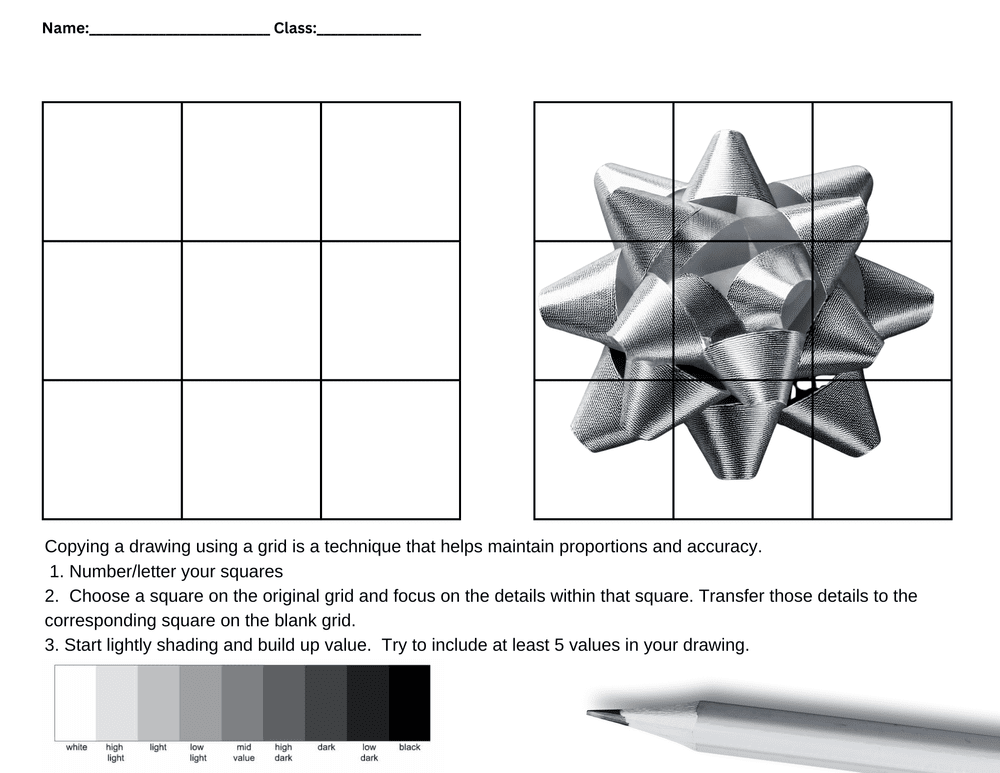
- Key Recommendation: Start early elementary learners with larger 2×2 or 3×3 grids before progressing to complex multi-square layouts.
Core Principles and Visual Learning Overview
Grid drawing for elementary functions by isolating visual information into localized grid squares, training children to look at line angles, shapes, and negative space rather than relying on mental symbols. Utilizing high-contrast visual flashcards alongside printable worksheets helps students bridge the gap between three-dimensional observation and two-dimensional representation. This methodology reinforces early mathematical concepts such as symmetry, Cartesian coordinates, and scaling while simultaneously nurturing artistic expression and self-confidence.
Key Specifications and Breakdown
| Age / Learning Stage | Visual Skill & Grid Ratio | Pedagogical Application & Scaffolding |
|---|---|---|
| Ages 4-5 (Preschool/Kindergarten) | Basic 2×2 grid with thick borders | Focuses on simple geometric alignment using tangible Educational Activities and bold visual cues. |
| Ages 6-7 (Early Elementary) | 3×3 grid matching photographic source | Introduces proportion estimation, line direction tracking, and basic contour replication. |
| Ages 8-9 (Upper Elementary) | 4×4 or larger proportional grid | Develops advanced shading, complex contour accuracy, and detailed reference transfer. |
Systematic visual division and coordinate mapping directly stimulate parietal lobe development, enhancing both geometric reasoning and fine-motor execution — National Art Education Association (NAEA)
Step-by-Step Practical Application and Printing Guidelines
Implementing printable Grid Drawing exercises requires pairing a clearly numbered reference photo with an identically proportioned blank grid sheet. Educators should print materials on heavy cardstock to prevent tearing during pencil erasing and marker tracing. Instruct students to focus on one single square at a time, covering the remaining areas with a blank index card to minimize cognitive overload and sharpen concentrated observation.
Common Challenges and How to Avoid Them
Students often encounter frustration when attempting to draw an entire object at once instead of treating each grid square as an independent puzzle piece. Guiding learners to establish reference points where lines intersect grid borders prevents drastic proportion distortion. Providing simplified, highly distinct photo subjects during initial lessons ensures steady skill progression and prevents early burnout.
💬 Frequently Asked Questions
Explore More Free Learning Printables and Visual Activities on WePhotoAgency
Empower young learners today by browsing an extensive collection of classroom-ready resources, visual guides, and creative printables available directly through WePhotoAgency.com. Access targeted learning materials designed to support holistic childhood development and artistic growth.
Visual Reference Gallery