Introduction
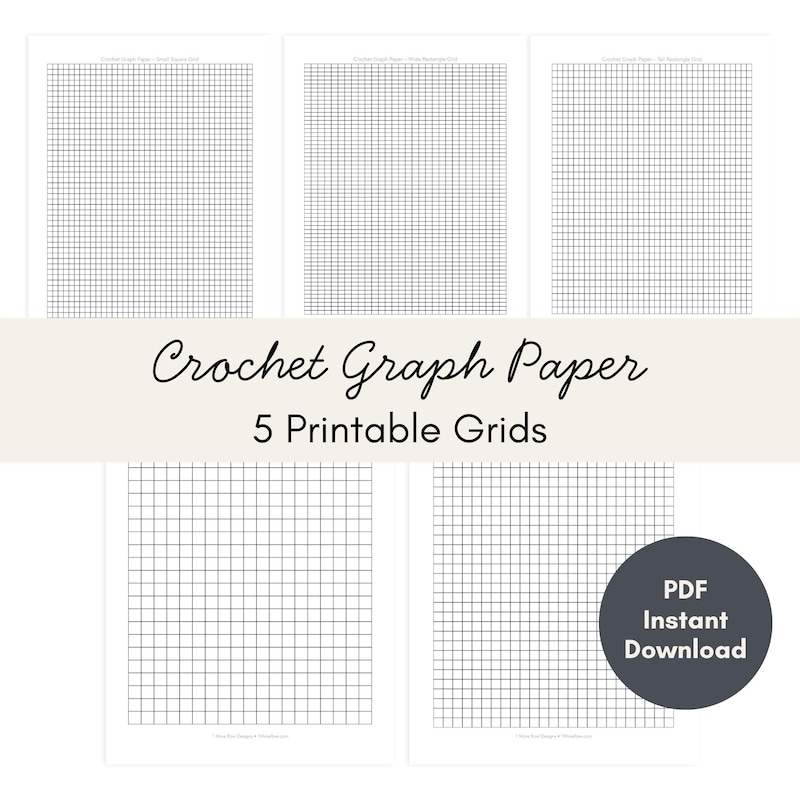
Grid drawing for crochet translates pictorial photography into modular geometric charts, bridging the gap between tactile fiber arts and advanced spatial reasoning. According to the National Art Education Association (NAEA), structured observational drawing and geometric scaffolding foster vital cognitive mapping and proportional accuracy in developing minds. By breaking complex photographic imagery down into manageable squares, learners and young artisans can easily map color changes, stitch counts, and pattern contours with high precision. This multidisciplinary practice reinforces mathematical principles like coordinate graphing while refining manual dexterity and visual-spatial processing. Educators leverage printable Grid Drawing worksheets alongside real-life reference visuals to transform intricate craft designs into accessible, step-by-step learning modules.
Visual Learning & Skill Snapshot:
- Core Focus: Translating photographic visual data into structured grid-based crochet color-work charts.
- Target Skill: Spatial reasoning, coordinate grid mapping, proportional estimation, and fine-motor synchronization.
- Key Recommendation: Pair high-contrast printable grids with real Photo Flashcards to ground abstract patterns in tangible visual reality.
Core Principles and Visual Learning Overview
Proportional scaling through modular grids allows children and students to deconstruct complex visual stimuli into isolated, easily manageable geometric quadrants. Direct observation of photographic references teaches young learners how to look at negative space, color transitions, and edge alignment rather than relying on abstract symbols alone. When preparing crochet designs from pictures, the grid acts as a stabilizing scaffolding mechanism that reduces cognitive overload. By concentrating on a single square at a time, practitioners build sustained attention spans and methodical workflow habits. This technique correlates directly with foundational geometry, teaching early elementary students how coordinate planes operate in real-world creative applications.
Key Specifications and Breakdown
| Age / Learning Stage | Visual Skill & Grid Ratio | Pedagogical Application & Scaffolding |
|---|---|---|
| Ages 5-6 (Early Elementary) | 2×2 or 4×4 low-density grids | Focuses on basic symmetry, macro color blocks, and gross spatial alignment using bold photographic references. |
| Ages 7-9 (Middle Primary) | 8×8 or 10×10 intermediate grids | Emphasizes proportional mapping, edge detection, and translating continuous photographic lines into discrete pixelated blocks. |
| Ages 10+ (Advanced Young Artisans) | 16×16+ high-density grid arrays | Supports intricate tapestry crochet design, fine-scale colorwork plotting, and advanced coordinate graphing proficiency. |
Systematic visual division and modular geometric mapping directly accelerate cognitive spatial organization and fine-motor execution across early childhood learning stages. — National Art Education Association (NAEA)
Step-by-Step Practical Application and Printing Guidelines
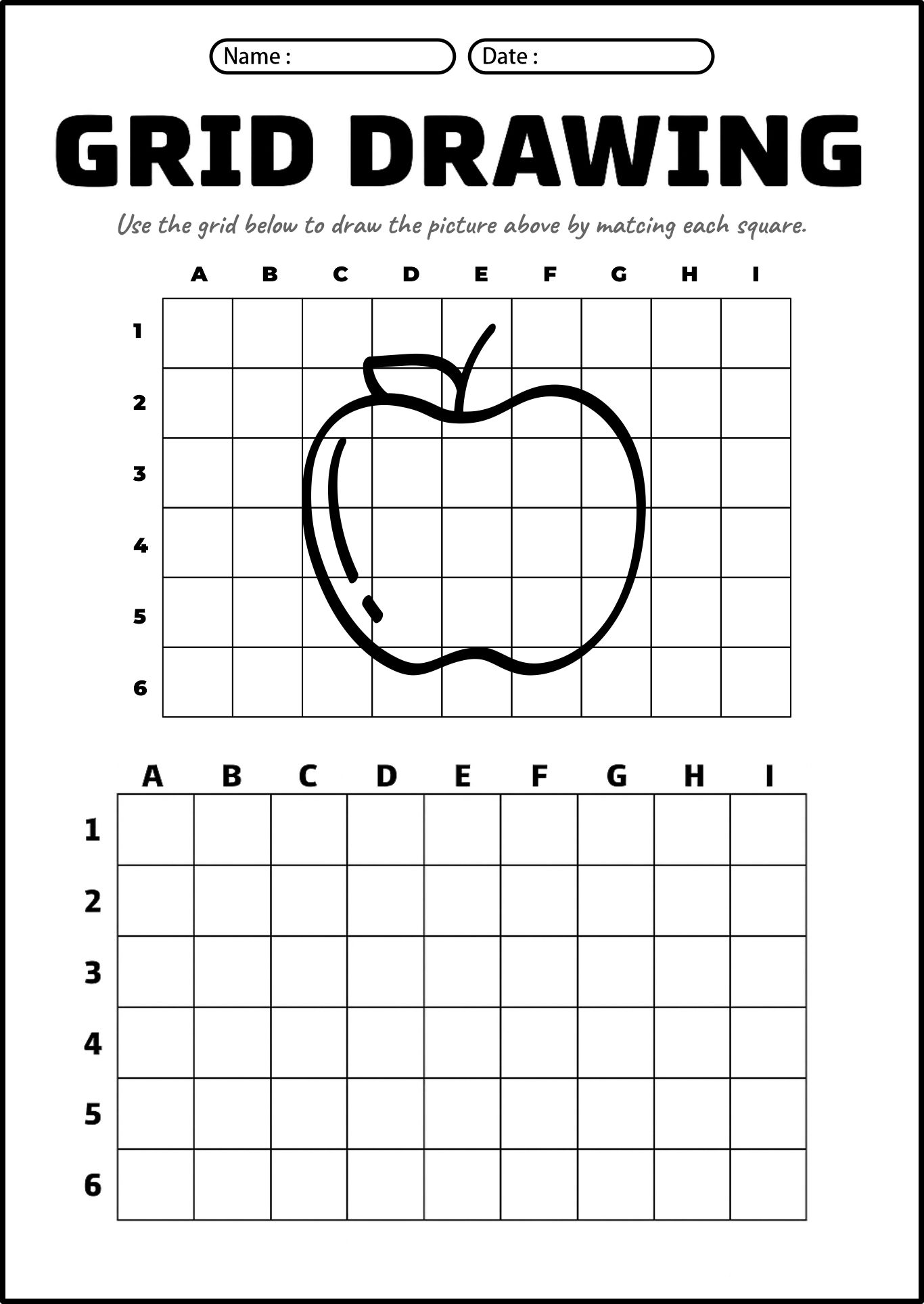
Executing a successful crochet grid project begins with selecting high-resolution photographic source material and printing clear, high-contrast grid worksheets. Instructors should first introduce the reference image alongside corresponding Educational Activities to establish baseline visual literacy. Next, overlay the chosen grid template onto the photograph, ensuring lines remain bold enough for young eyes to track without strain. Students systematically transfer each quadrant from the reference square into the blank working grid, checking alignment coordinates along the horizontal and vertical axes. Once the complete pixelated chart is finalized on paper, young crafters can seamlessly transition their design into yarn-based color blocks, ensuring accurate stitch counts and harmonious proportion.
Common Challenges and How to Avoid Them
Misalignment of coordinates remains the most frequent hurdle when students attempt to transfer detailed photographic elements onto blank crochet grids. To prevent frustration, educators should encourage learners to anchor their work by identifying center points or prominent high-contrast features before filling in secondary details. Rushing through complex quadrants often leads to proportion distortion; implementing a strict single-square verification habit eliminates costly errors in both drawing and subsequent yarn crafting. Providing pre-numbered axis markers on printable worksheets also assists younger children in maintaining correct orientation, ensuring that symmetrical designs retain their balance across the entire medium.
💬 Frequently Asked Questions
Explore More Free Learning Printables and Visual Activities on WePhotoAgency
Developing robust spatial reasoning, observational accuracy, and fine-motor capabilities requires a diverse library of scaffolded instructional resources. Educators, parents, and homeschool leaders can access an extensive collection of professional teaching tools, printable worksheets, and creative design guides by visiting the main portal at WePhotoAgency.com to elevate daily visual arts curricula.
Visual Reference Gallery