Introduction
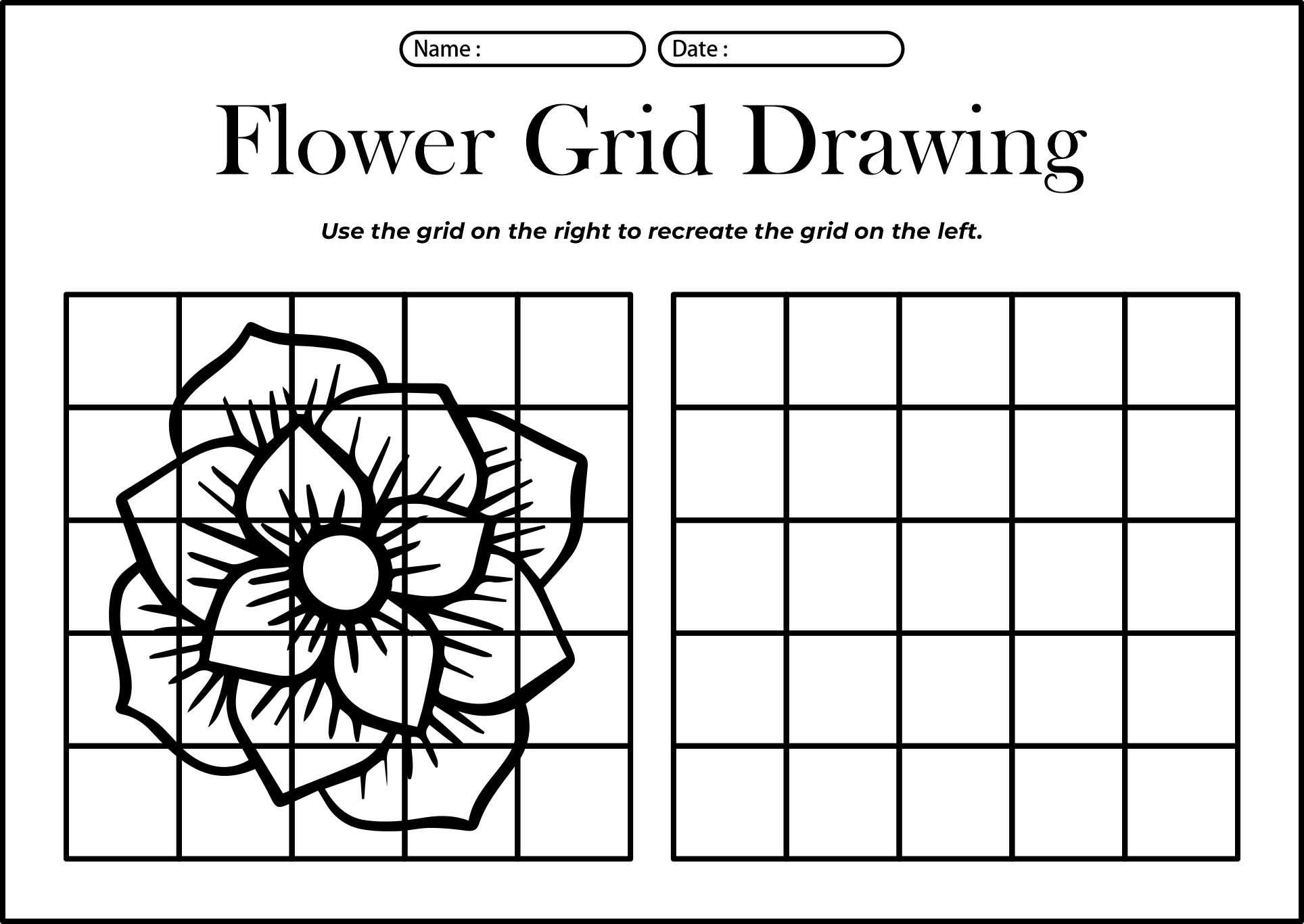
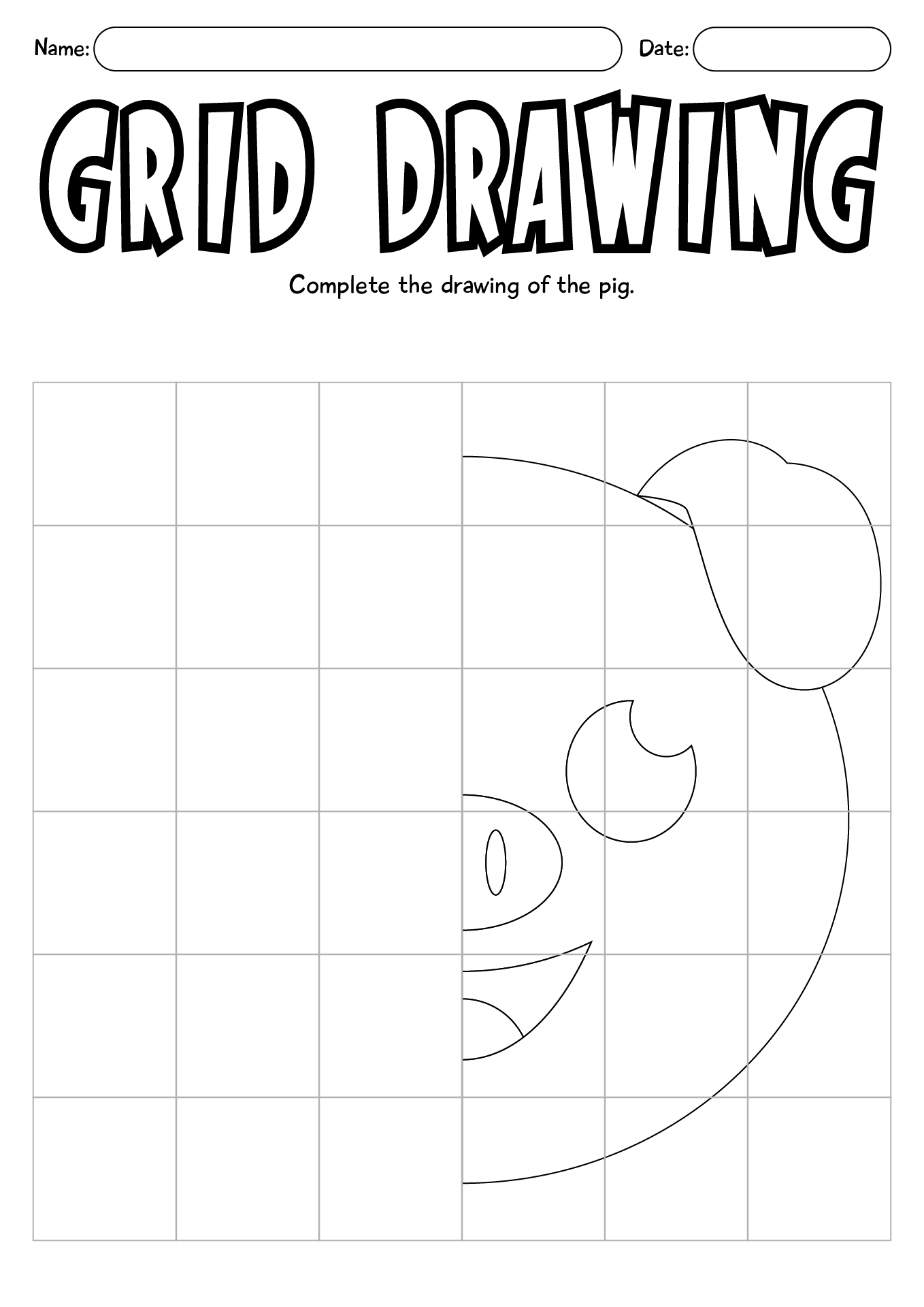
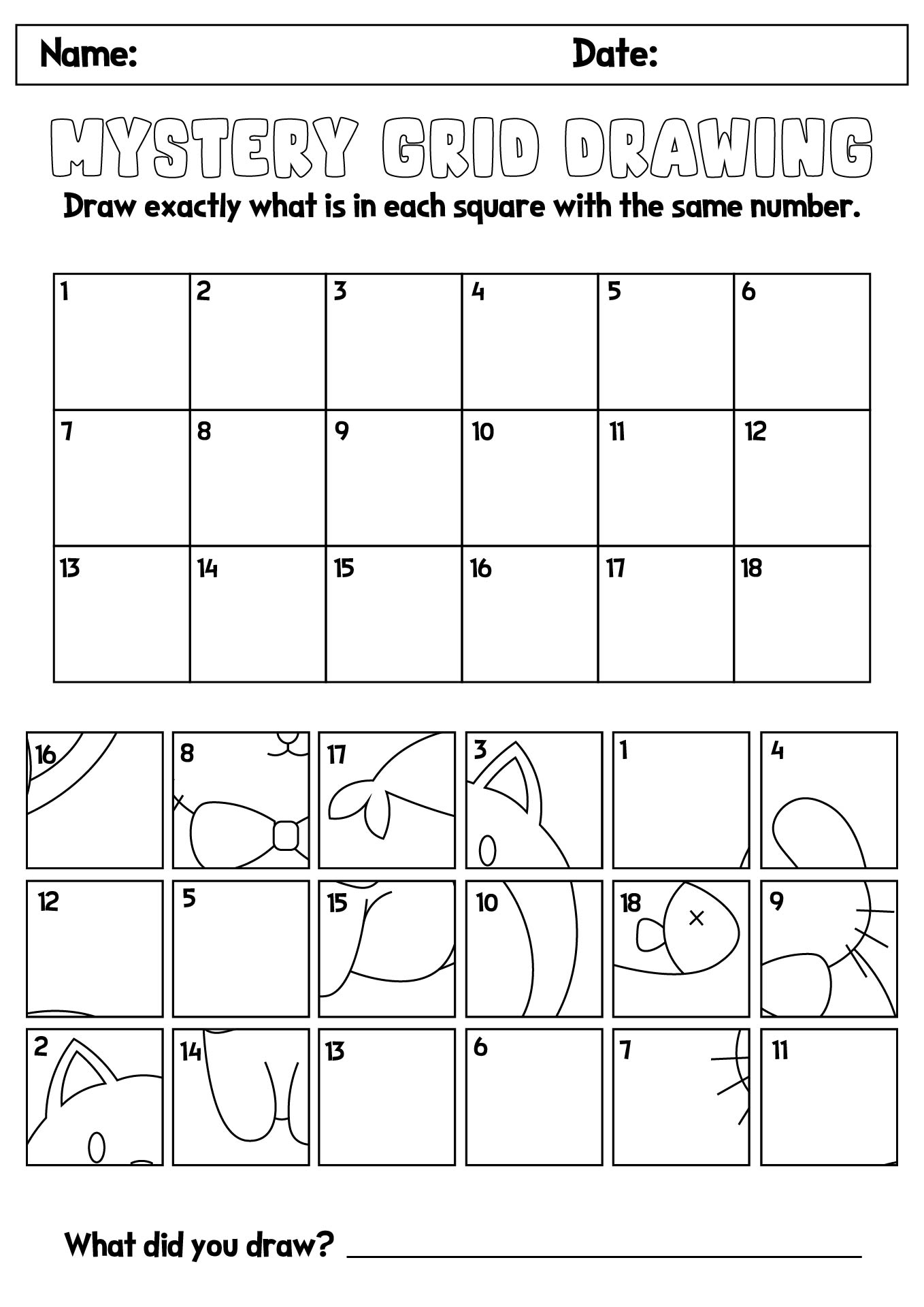
Grid drawing for class 3 systematically breaks down complex visual shapes into manageable geometric squares, transforming how eight- and nine-year-old children interpret proportions and relative distances. According to the National Art Education Association (NAEA), structured observational drawing activities significantly enhance early spatial memory, cognitive mapping, and fine-motor precision by training the brain to isolate lines rather than rely on symbolic object stereotypes. Utilizing printable worksheets alongside real photo visual flashcards bridges the gap between abstract geometrical concepts and realistic representation. Educators and parents aiming to scaffold foundational artistic competency benefit from exploring specialized resources available within the Grid Drawing repository.
Visual Learning & Skill Snapshot:
- Core Focus: Systematic coordinate mapping using simplified grids to teach proportional representation.
- Target Skill: Spatial reasoning, visual discrimination, fine-motor proportion, and photo-based concept mastery.
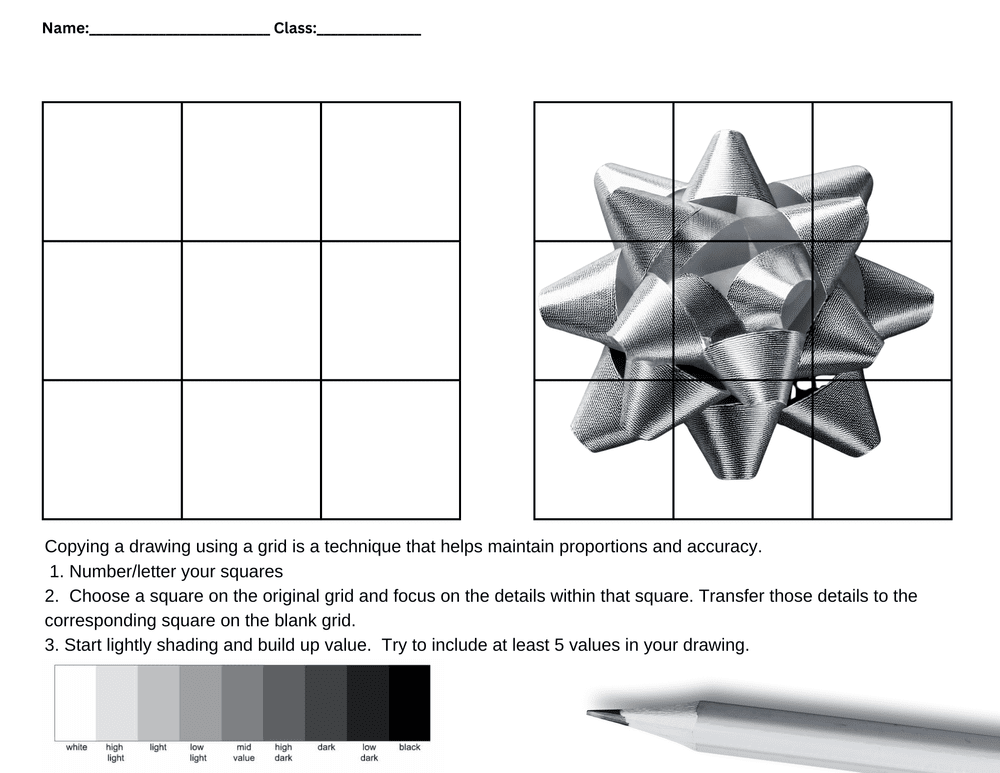
- Key Recommendation: Begin with 3×3 square grids depicting high-contrast real photographic subjects before progressing to denser 4×4 or 5×5 layouts.
Core Principles and Visual Learning Overview
Proportional scaling through coordinate-based sketching teaches young learners to transition from symbolic drawing to true visual observation. By dissecting a reference image into isolated grid coordinates, students focus exclusively on the specific line intersections, curves, and negative spaces contained within a single square. This analytical breakdown reduces cognitive overload, allowing children in third grade to manage complex contours effortlessly. Integrating concrete visual resources, such as high-definition Photo Flashcards, ensures that learners reference realistic textures, lighting, and anatomy rather than flat cartoon interpretations, thereby elevating both accuracy and observational acuity.
Key Specifications and Breakdown
| Age / Learning Stage | Visual Skill & Grid Ratio | Pedagogical Application & Scaffolding |
|---|---|---|
| Class 3 Novice (Ages 8-9) | 3×3 Grid Matrix, 1:1 Scale | Utilize bold-line photographic references with minimal background noise to establish basic coordinate literacy. |
| Class 3 Intermediate | 4×4 Grid Matrix, 1:1 Scale | Incorporate complex animal or botanical subjects paired with structured Educational Activities to reinforce cross-curricular learning. |
| Class 3 Advanced | 4×4 Grid Matrix, Scaled Ratio | Introduce size reduction or enlargement exercises to test advanced ratio estimation and hand-eye coordination. |
Structured spatial decomposition methods measurably improve visual-motor integration and coordinate tracking capabilities in early elementary students. — National Art Education Association (NAEA)
Step-by-Step Practical Application and Printing Guidelines
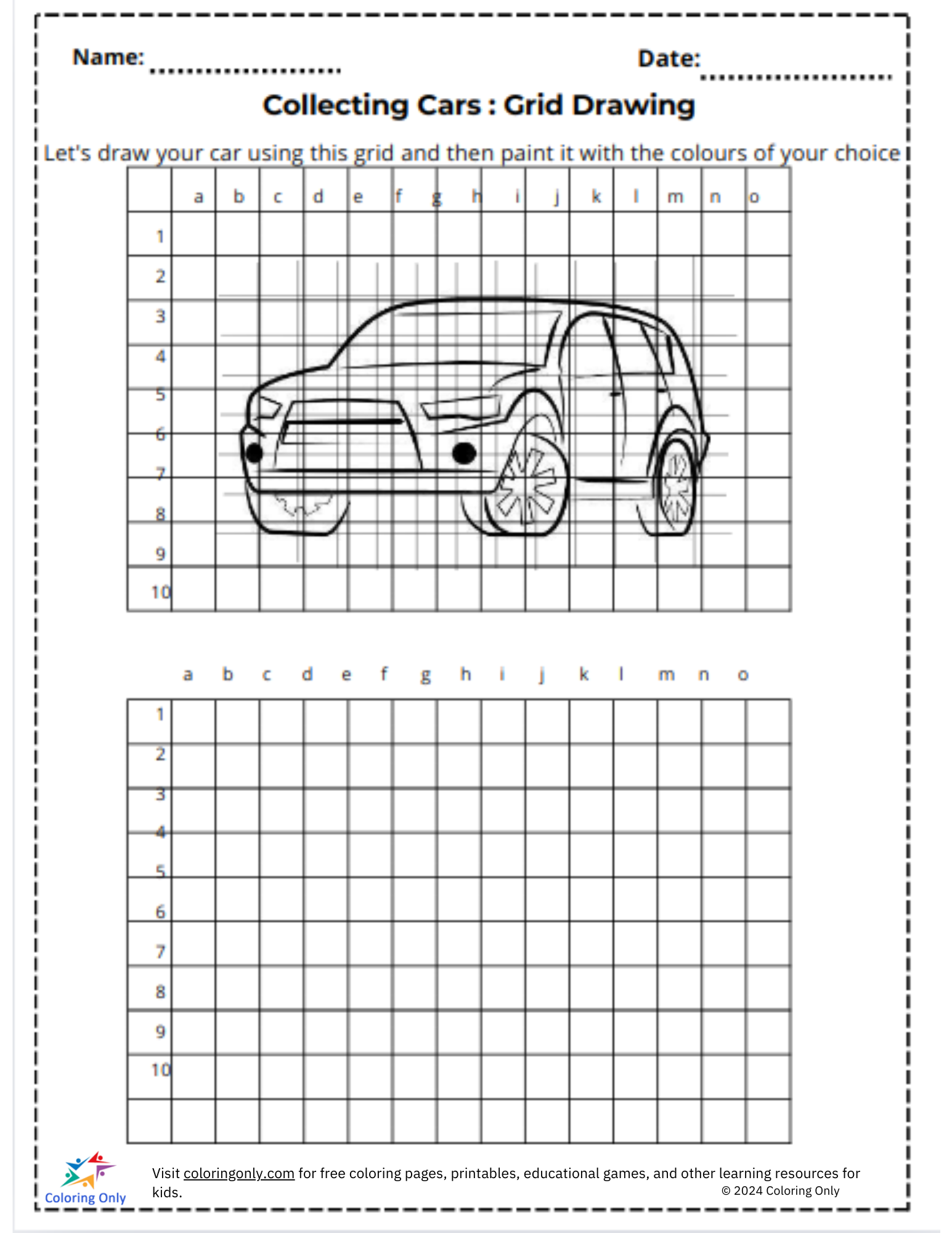
Executing an effective grid-based drawing lesson requires high-contrast printing, clear labeling, and deliberate pencil management. Educators should print worksheets using heavy-stock paper (at least 80gsm) to prevent tearing during repeated eraser use. The instructional process begins by directing children to label columns with letters and rows with numbers to build Cartesian coordinate familiarity. Students then select an isolated square, identify where lines intersect the grid borders, and lightly sketch the corresponding curves before refining details. Establishing this methodical workflow prevents frustration and ensures consistent developmental progression across all drawing sessions.
Common Challenges and How to Avoid Them
Rushing proportions and drawing the entire object at once instead of focusing on individual squares represent the most frequent obstacles encountered by third-grade learners. When children attempt to render the whole subject simultaneously, cognitive fatigue sets in, leading to distorted scaling and inaccurate line placement. Educators can resolve this by providing cardboard viewfinder masks that isolate a single grid square, forcing the child to concentrate solely on the designated coordinates. Consistent reinforcement of square-by-square verification builds patience, spatial discipline, and lasting drawing accuracy.
💬 Frequently Asked Questions
Explore More Free Learning Printables and Visual Activities on WePhotoAgency
Enhancing early childhood cognitive development requires a rich supply of professionally curated visual resources, printable worksheets, and structured art exercises. Discover an extensive library of educational tools designed to foster spatial intelligence and creative confidence by visiting WePhotoAgency.com today.
Visual Reference Gallery