Introduction
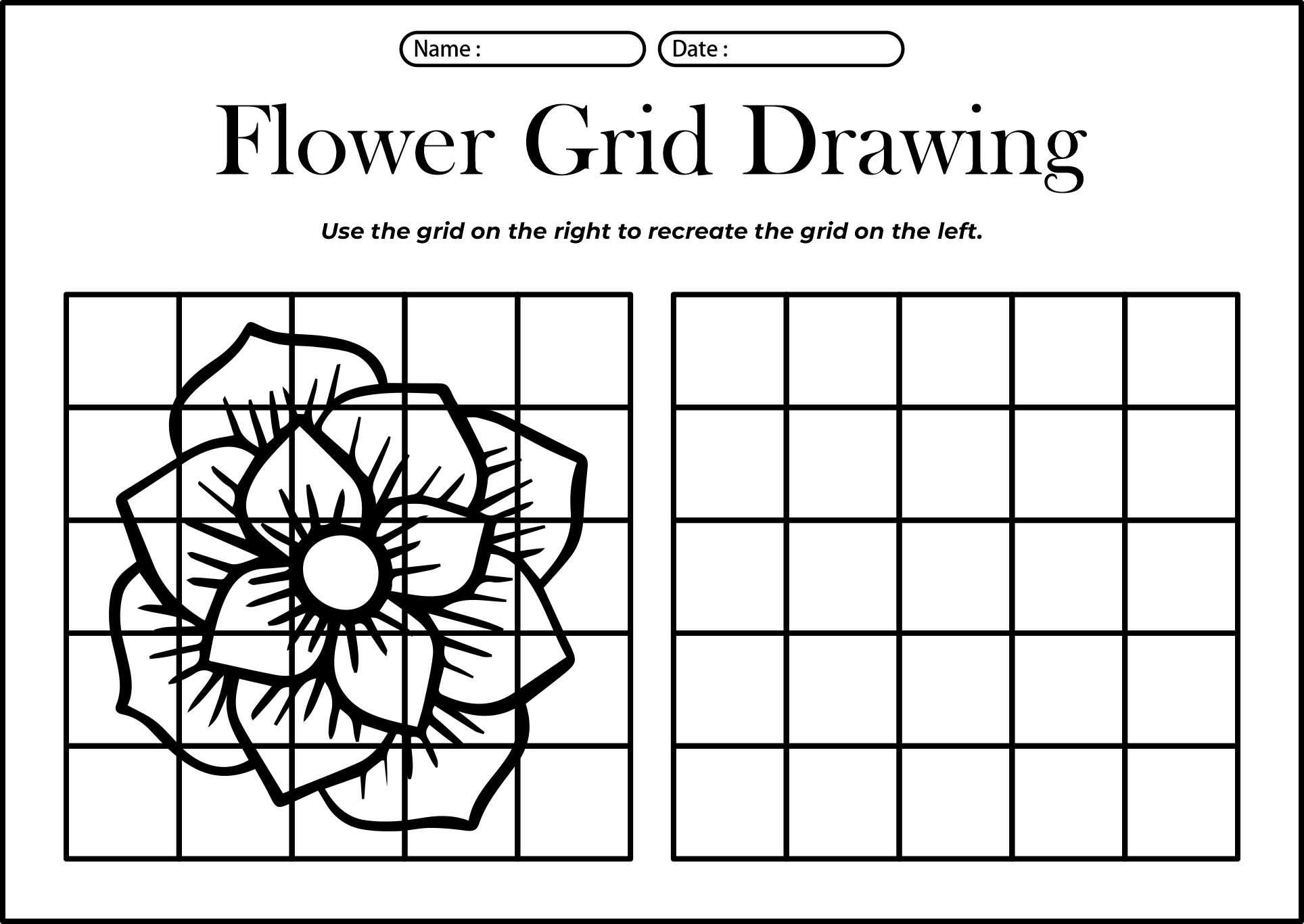
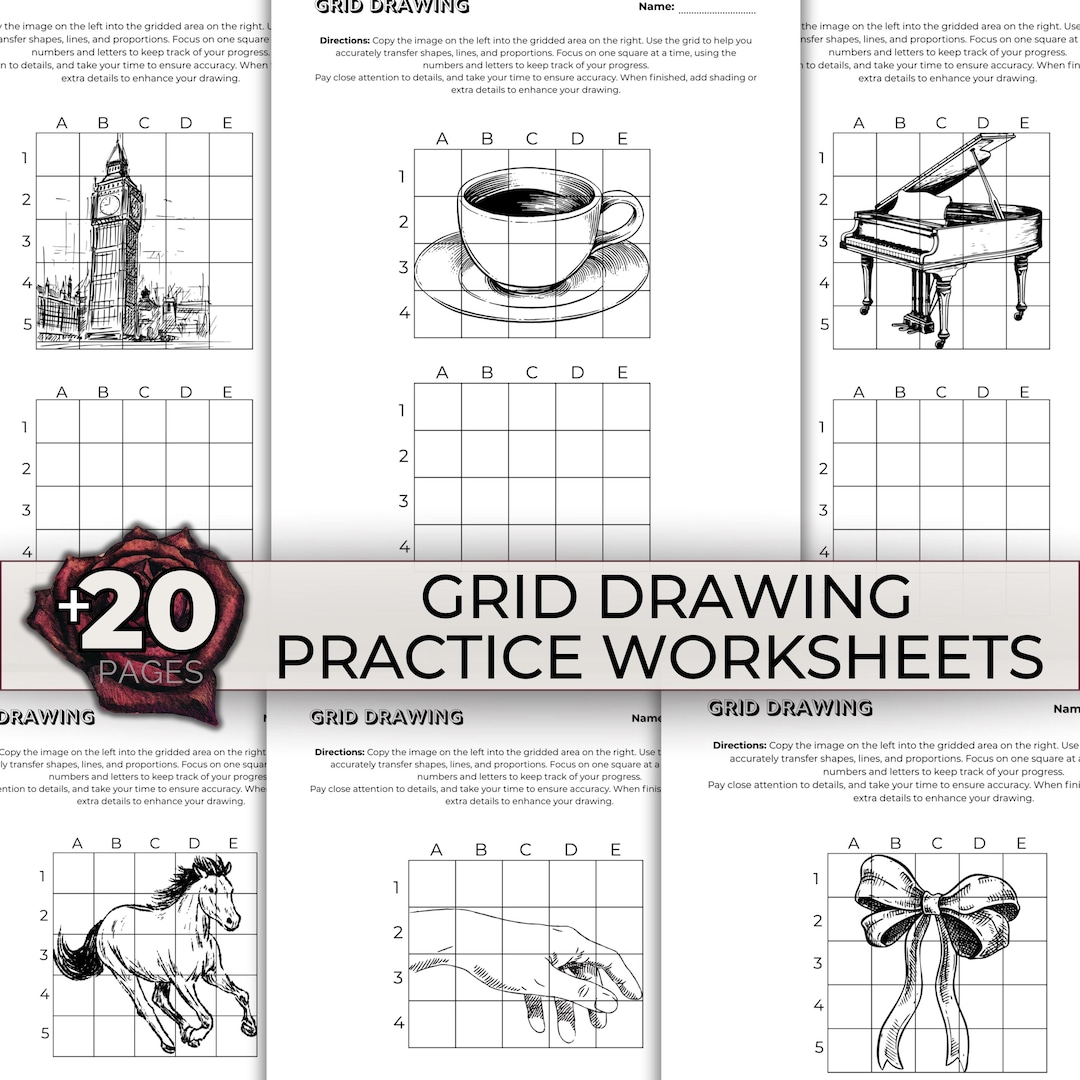
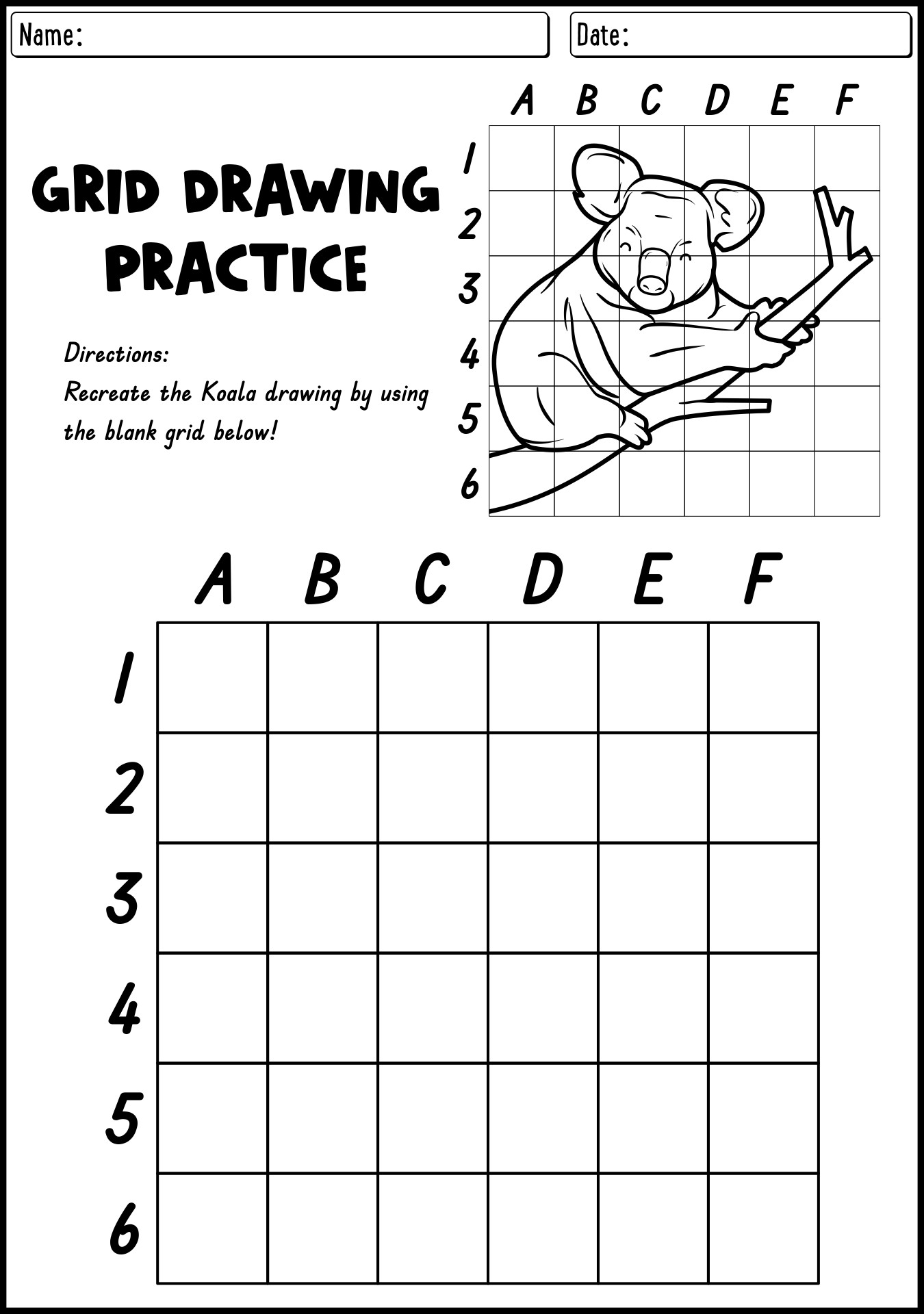
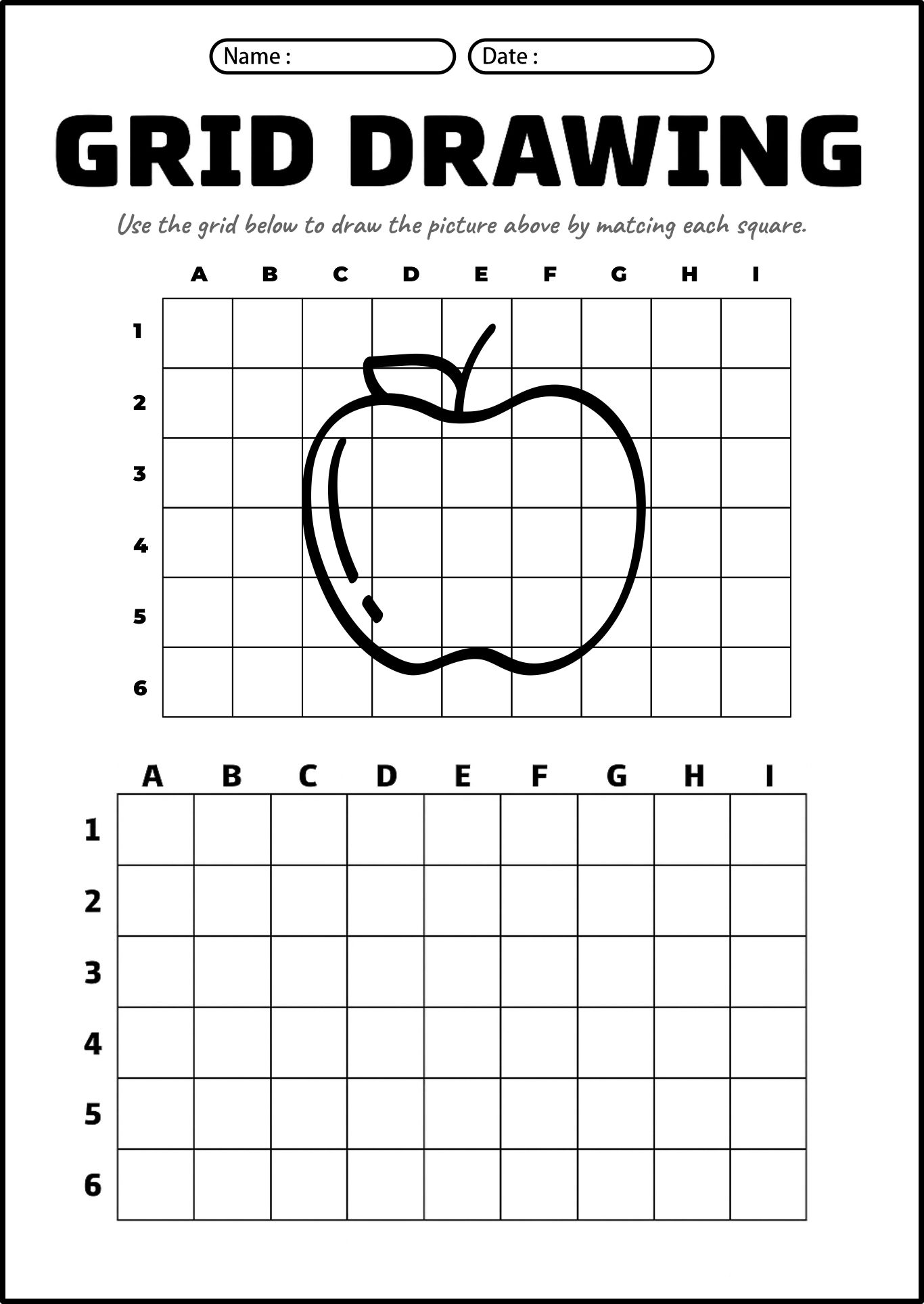
A grid drawing editor is a specialized digital tool that overlays configurable coordinate matrices onto reference images to simplify complex visual composition for young learners. According to the National Art Education Association (NAEA), structured observational drawing exercises significantly improve children’s proportional accuracy, hand-eye coordination, and spatial analysis during early cognitive development. By breaking down real photographic subjects into manageable compartmentalized squares, children transition easily from holistic visual guesswork to meticulous tactile mapping. Educators and parents utilize these printable worksheets to cultivate foundational visual literacy, bridging abstract spatial reasoning with concrete, step-by-step drawing tasks that foster confidence and patience in early elementary classrooms.
Visual Learning & Skill Snapshot:
- Core Focus: A digital and printable utility that segments reference images into verifiable coordinate grids for children.
- Target Skill: Spatial reasoning, visual discrimination, fine-motor proportion estimation, and grid-to-paper transfer.
- Key Recommendation: Pair simple 2×2 or 4×4 real photo templates with soft-grade drawing pencils to maximize coordinate tracking success.
Core Principles and Visual Learning Overview
Spatial awareness and proportion estimation develop systematically when children learn to isolate visual data within localized boundaries rather than attempting to render an entire subject at once. Utilizing a professional grid drawing editor allows educators to transform vivid Photo Flashcards into custom scaffolded worksheets tailored to specific age brackets and fine-motor skill levels. This segmentation reduces cognitive overload by shifting focus from the whole complex object to single, self-contained intersections of line and shape. As learners replicate line segments square by square, cognitive mapping pathways strengthen, reinforcing foundational geometry, symmetry, and visual memory without the intimidation of blank-slate drawing.
Key Specifications and Breakdown
| Age / Learning Stage | Visual Skill & Grid Ratio | Pedagogical Application & Scaffolding |
|---|---|---|
| Ages 4-5 (Early Kindergarten) | 2×2 Matrix with high-contrast macro subjects | Focuses on basic quadrant identification and fundamental shape orientation using real animal and nature subjects. |
| Ages 6-7 (Early Elementary) | 4×4 Matrix with balanced photographic details | Builds precise line continuity, edge detection, and proportional distance measurement across adjacent boxes. |
| Ages 8-9 (Advanced Elementary) | 6×6 Matrix with intricate organic textures | Enhances micro-observation, shading estimation, and complex angle replication for advanced Grid Drawing exercises. |
Structured visual decomposition accelerates fine-motor precision and spatial cognition by anchoring abstract proportions within concrete geometric boundaries. — National Art Education Association (NAEA)
Step-by-Step Practical Application and Printing Guidelines
Effective implementation of grid-based learning requires pairing high-resolution photographic references with crisp, uncluttered printable templates designed specifically for young hands. Selecting clear, high-contrast subjects—such as familiar objects, flora, or fauna—ensures children can easily distinguish edges and negative spaces within each grid cell. Educators should print worksheets on heavyweight matte paper to withstand repeated erasing and pencil pressure while integrating diverse Educational Activities that combine tactile tracing with verbal description of coordinates. Instructing children to work row by row from top-left to bottom-right establishes an orderly scanning habit that mirrors foundational reading and writing directions.
Common Challenges and How to Avoid Them
Children frequently experience frustration when attempting to draw across multiple grid squares simultaneously instead of isolating each cell’s contents independently. To prevent this common hurdle, supply paper masks or index cards that allow learners to cover adjacent rows, ensuring absolute concentration on one single coordinate square at a time. Another frequent obstacle involves incorrect pencil grip or overly heavy pressure, which distorts proportions when erasing is necessary; teaching light, feathery preliminary sketching resolves this issue completely. Providing ample positive reinforcement for square-by-square accuracy rather than final artistic perfection maintains intrinsic motivation and encourages resilient problem-solving.
💬 Frequently Asked Questions
Explore More Free Learning Printables and Visual Activities on WePhotoAgency
Unlocking limitless creative potential and cognitive growth is effortless when utilizing professional visual tools available across WePhotoAgency.com. Educators, parents, and homeschool leaders can access an extensive, continually expanding library of high-resolution photographic resources, structured templates, and developmental guides designed to inspire lifelong learning in young children.
Visual Reference Gallery