Introduction
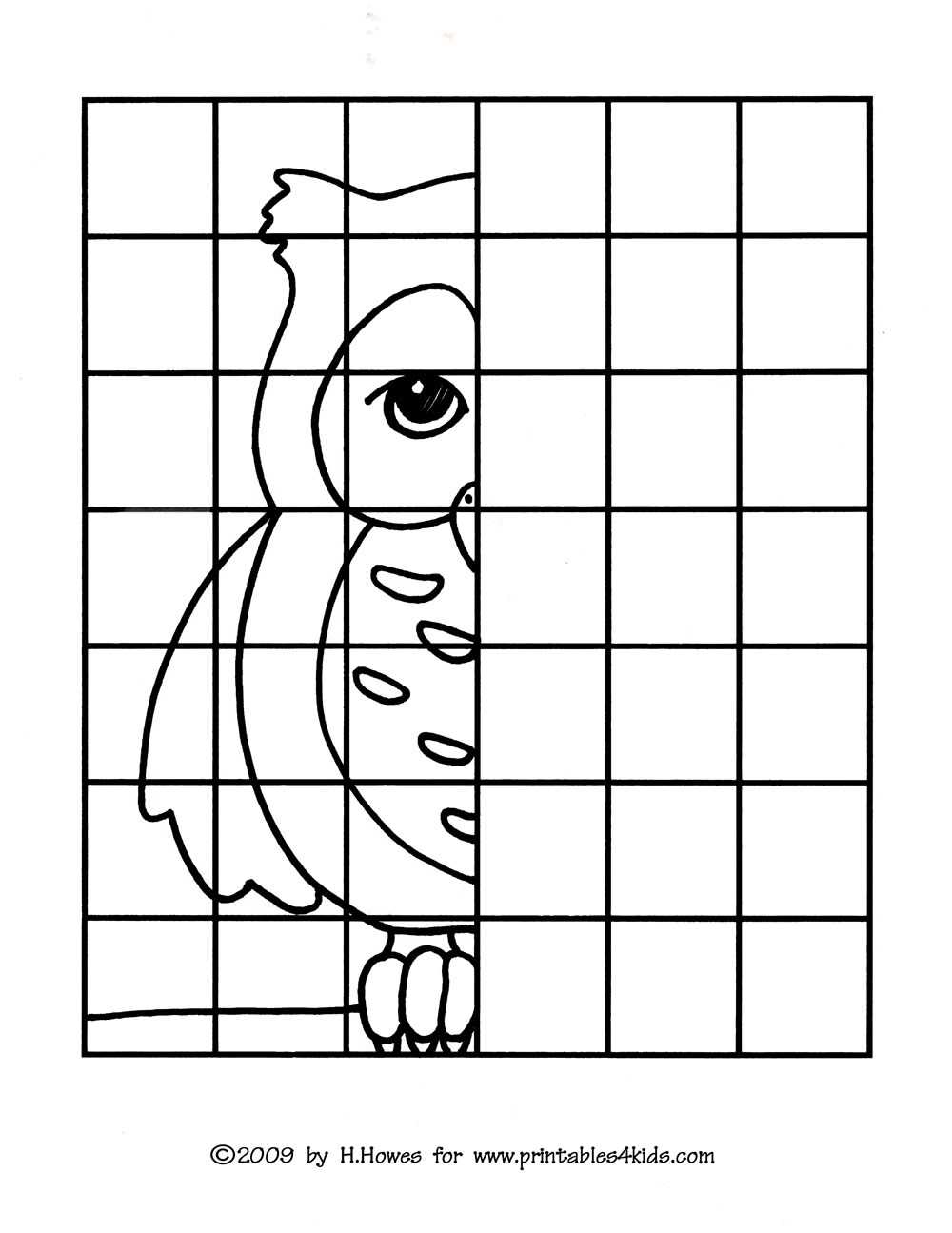
Grid drawing dog activities utilize structured geometric overlays on canine photographs to break complex animal anatomy into manageable spatial fragments for early elementary learners. According to the National Art Education Association (NAEA), structured visual partitioning significantly accelerates proportional accuracy and spatial awareness in developing children. Early childhood learning materials leveraging this methodology bridge photographic realism and cognitive graphic representation by transforming overwhelming visual stimuli into solvable coordinate-based puzzles. This developmental approach supports foundational math concepts, fine-motor coordination, and observational precision through engaging, animal-themed art exercises. Additional pedagogical strategies are available within specialized Grid Drawing modules designed for early classrooms.
Visual Learning & Skill Snapshot:
- Core Focus: Coordinate-based visual scaling of canine photographic subjects using structured grids.
- Target Skill: Spatial reasoning, visual discrimination, fine-motor proportion estimation, and observation skills.
- Key Recommendation: Pair high-contrast canine reference images with identical grid dimensions to ensure seamless coordinate mapping for young learners.
Core Principles and Visual Learning Overview
Grid drawing dog worksheets function by dividing a high-resolution canine reference image into an organized matrix of squares, prompting learners to replicate line, shape, and value square-by-square onto a corresponding blank grid. This technique shifts cognitive processing from holistic object recognition—where children draw what they think a dog looks like—to objective line-and-space analysis, where they render what is actually visible within a specific boundary. Utilizing realistic canine subjects supports animal recognition and biological interest while refining pencil control. Educators often integrate real photo reference materials, such as those found in comprehensive Photo Flashcards collections, to anchor the drawing process in authentic visual data before introducing the grid overlay.
Key Specifications and Breakdown
| Age / Learning Stage | Visual Skill & Grid Ratio | Pedagogical Application & Scaffolding |
|---|---|---|
| Ages 4-5 (Early Kindergarten) | 2×2 or 3×3 simple quadrant grid | Focuses on basic contour lines and major anatomical shapes of friendly cartoon or simple photo dogs. |
| Ages 6-7 (Late Kindergarten/1st Grade) | 4×4 balanced coordinate grid | Develops intermediate spatial estimation, alignment verification, and detailed fur texture rendering. |
| Ages 8-9 (2nd Grade and Beyond) | 5×5 or advanced proportional grid | Enhances complex proportion scaling, value shading, and realistic photographic detail replication. |
Visual-spatial training through structured geometric partitioning significantly enhances bilateral coordination and analytical cognitive mapping in early childhood learners — National Art Education Association (NAEA)
Step-by-Step Practical Application and Printing Guidelines
Executing a successful grid drawing dog session requires crisp, high-contrast printing and methodical step-by-step adult scaffolding to prevent cognitive overload. Educators and parents should print the reference sheet and the matching blank worksheet on durable cardstock to withstand repeated erasing and pencil pressure. Children must be instructed to isolate one single grid square at a time using a paper window mask, blocking out surrounding visual distractions to focus entirely on intersecting lines and negative space. Instructors should encourage learners to identify where lines enter and exit the borders of each specific box before committing graphite to paper. Broadening these tactile learning routines with related Educational Activities reinforces overarching cognitive development goals across multiple subject areas.
Common Challenges and How to Avoid Them
Children frequently struggle with grid drawing dog exercises when attempting to render the entire animal at once rather than focusing on isolated coordinates. Combat this common pitfall by mandating the use of an L-shaped card blocker that exposes only one grid square of the canine photograph at a time. Another frequent hurdle involves scale disorientation, where learners draw elements too large in early squares, leaving insufficient room to complete the rest of the drawing. Prevent this by guiding young artists to locate landmark intersection points—such as the corner of an eye or the tip of a snout—relative to grid coordinates before drawing continuous contours.
💬 Frequently Asked Questions
Explore More Free Learning Printables and Visual Activities on WePhotoAgency
Comprehensive educational tools, printable worksheets, and developmental visual resources are continuously updated at WePhotoAgency.com to support early childhood educators, homeschoolers, and parents. Integrating structured art practices with authentic photographic references creates a powerful foundation for lifelong creative and cognitive achievement.
Visual Reference Gallery