Introduction
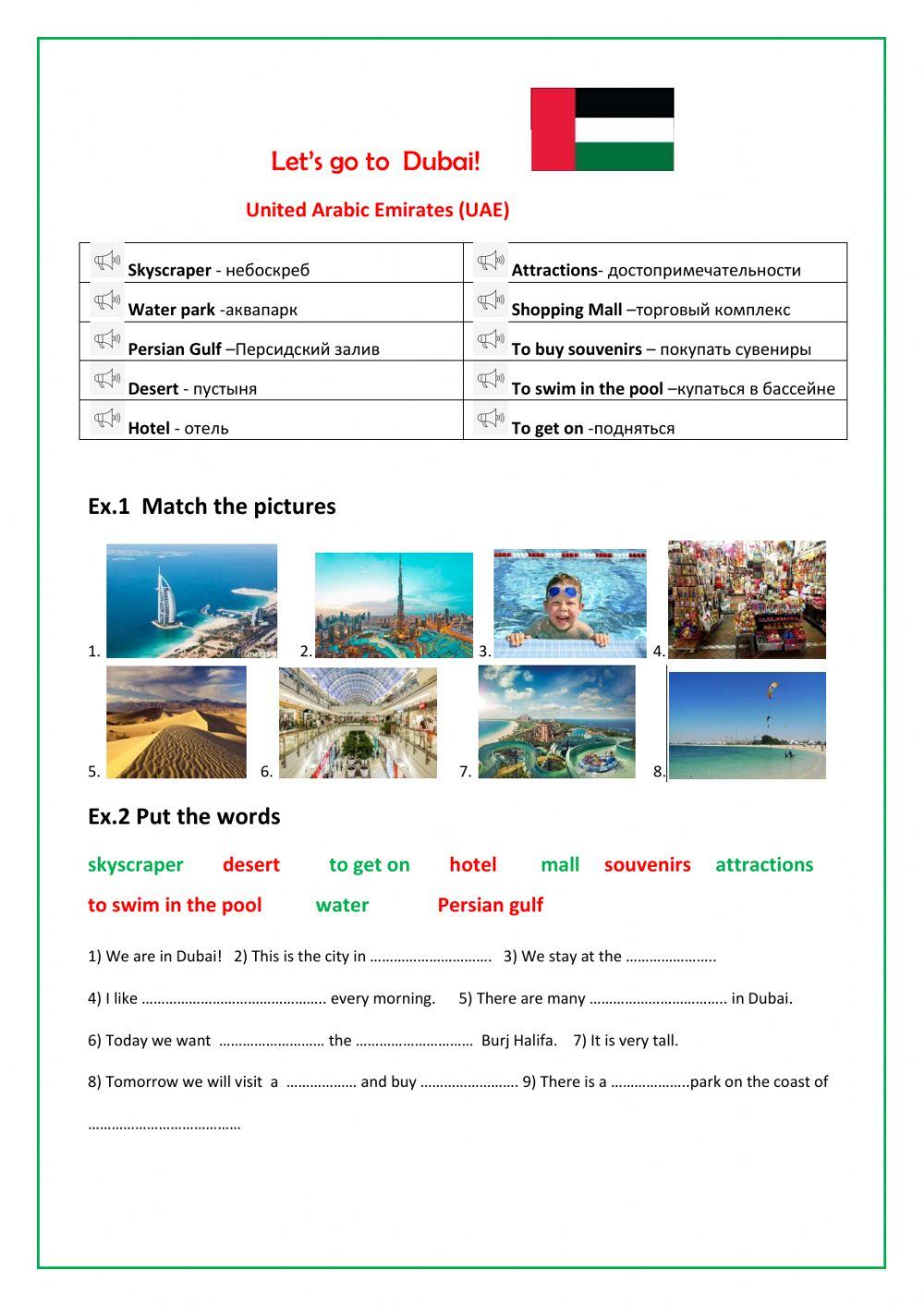
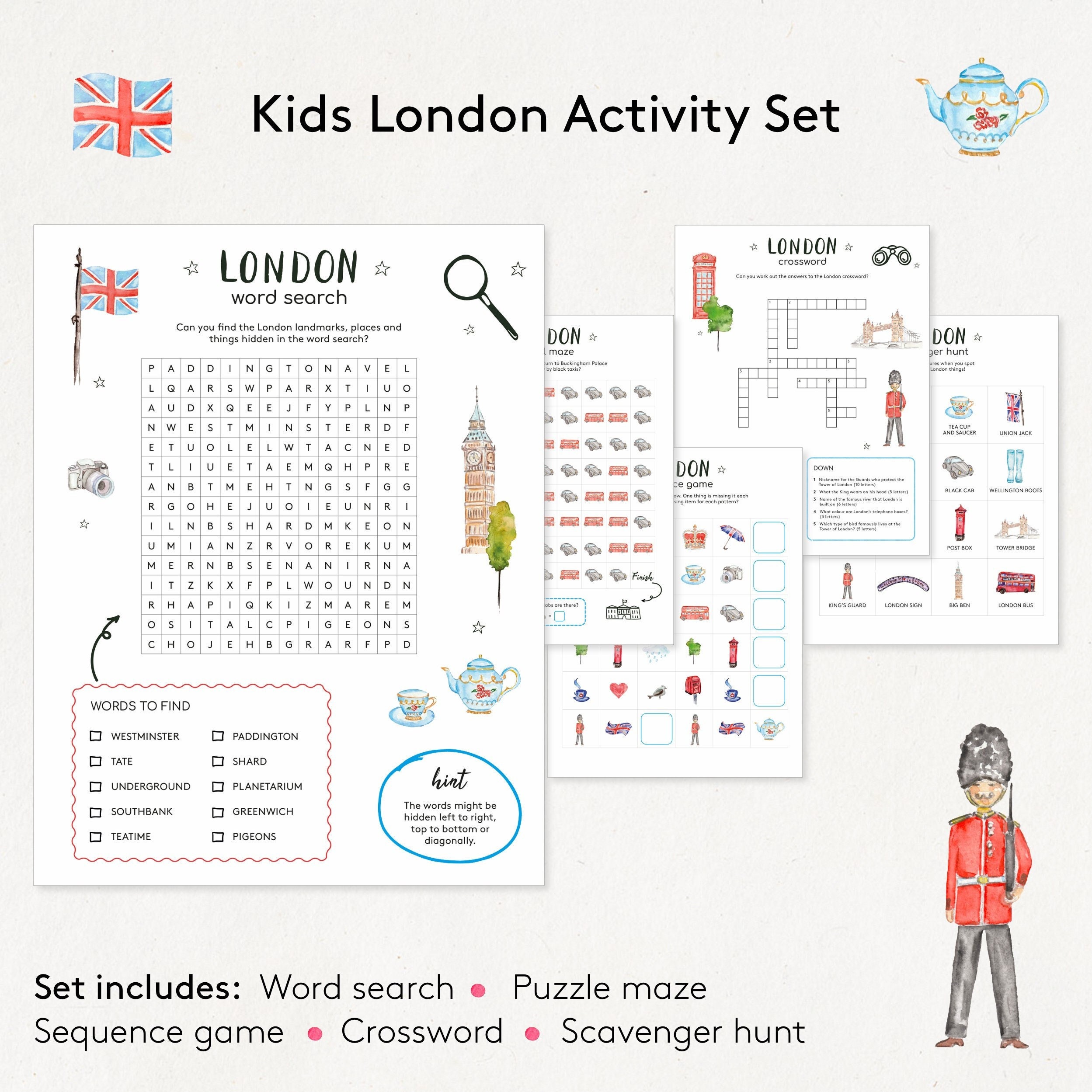
Educational activities for kids in dubai integrate high-impact visual resources such as printable grid drawing worksheets, real photo visual flashcards, and spatial awareness exercises to accelerate early childhood cognitive development. According to the National Association for the Education of Young Children (NAEYC), structured visual-spatial experiences significantly enhance a child’s mathematical reasoning, fine-motor precision, and observational accuracy during early foundational learning stages. Designing a stimulating home or classroom environment requires intentional curation of hands-on tools that bridge artistic expression with structural observation. Families and educators seeking versatile Educational Activities can seamlessly incorporate these assets into daily routines to foster deep, self-directed learning.
Visual Learning & Skill Snapshot:
- Core Focus: Executing structured educational activities for kids in dubai through grid drawing and photographic visual analysis.
- Target Skill: Spatial reasoning, visual discrimination, fine-motor proportion, and real-world observation.
- Key Recommendation: Pair high-contrast photo cards with proportionate grid worksheets to strengthen hand-eye coordination.
Core Principles and Visual Learning Overview
Visual-spatial development relies heavily on the deliberate transition from abstract observation to concrete graphical representation. Utilizing specialized Grid Drawing worksheets allows young learners to break complex visual stimuli into manageable coordinate squares, reducing cognitive overload and building systematic problem-solving strategies. Simultaneously, integrating real-world imagery through Photo Flashcards grounds abstract concepts in tangible, recognizable contexts. This dual-method approach strengthens the parietal lobe functions responsible for spatial orientation, making it an essential component of modern early childhood pedagogy.
Key Specifications and Breakdown
| Age / Learning Stage | Visual Skill & Grid Ratio | Pedagogical Application & Scaffolding |
|---|---|---|
| Ages 3-4 (Early Explorer) | 1×1 to 2×2 Simple Quadrants | Focus on macro-shapes, matching real-world photo cards, and basic hand-eye tracing. |
| Ages 5-6 (Emerging Artist) | 3×3 to 4×4 Standard Grids | Develops line confidence, proportion estimation, and focal point isolation. |
| Ages 7-8+ (Advanced Observer) | 5×5+ Complex Matrices | Refines intricate spatial awareness, detail replication, and independent error-checking. |
Visual-spatial training through structured grid coordination and photographic observation builds foundational cognitive architectures essential for advanced mathematical and geometric literacy. — National Art Education Association (NAEA)
Step-by-Step Practical Application and Printing Guidelines
Executing effective visual learning sessions demands precise preparation of printable assets, quality paper stock, and distraction-free workspace environments. Educators should print grid worksheets on heavyweight cardstock to prevent tearing during rigorous pencil sketching and eraser adjustments. When introducing photo flashcards alongside drawing exercises, laminate the physical cards to ensure durability during group rotations or independent exploration. Instructors must encourage children to examine single grid squares independently rather than attempting to draw the entire image at once, which effectively teaches methodical concentration and reduces frustration.
Common Challenges and How to Avoid Them
Overcoming early frustration with proportions requires active adult scaffolding and the avoidance of overly complex grids during initial learning phases. Young children frequently attempt to draw whole objects immediately, leading to distorted scaling across coordinate boundaries. Instructors should resolve this by demonstrating how to use a viewfinder or masking card to isolate one grid square at a time, allowing the brain to process lines and angles purely as abstract shapes rather than intimidating objects. Consistent, short-duration practice sessions yield significantly better fine-motor control than sporadic, lengthy drawing marathons.
💬 Frequently Asked Questions
Explore More Free Learning Printables and Visual Activities on WePhotoAgency
Accessing high-quality educational resources empowers parents, homeschool educators, and art teachers to cultivate lifelong visual literacy and critical thinking skills in children. Visit the main resource hub at WePhotoAgency.com to browse an extensive collection of expert-designed printables tailored for dynamic learning environments.
Visual Reference Gallery