Introduction
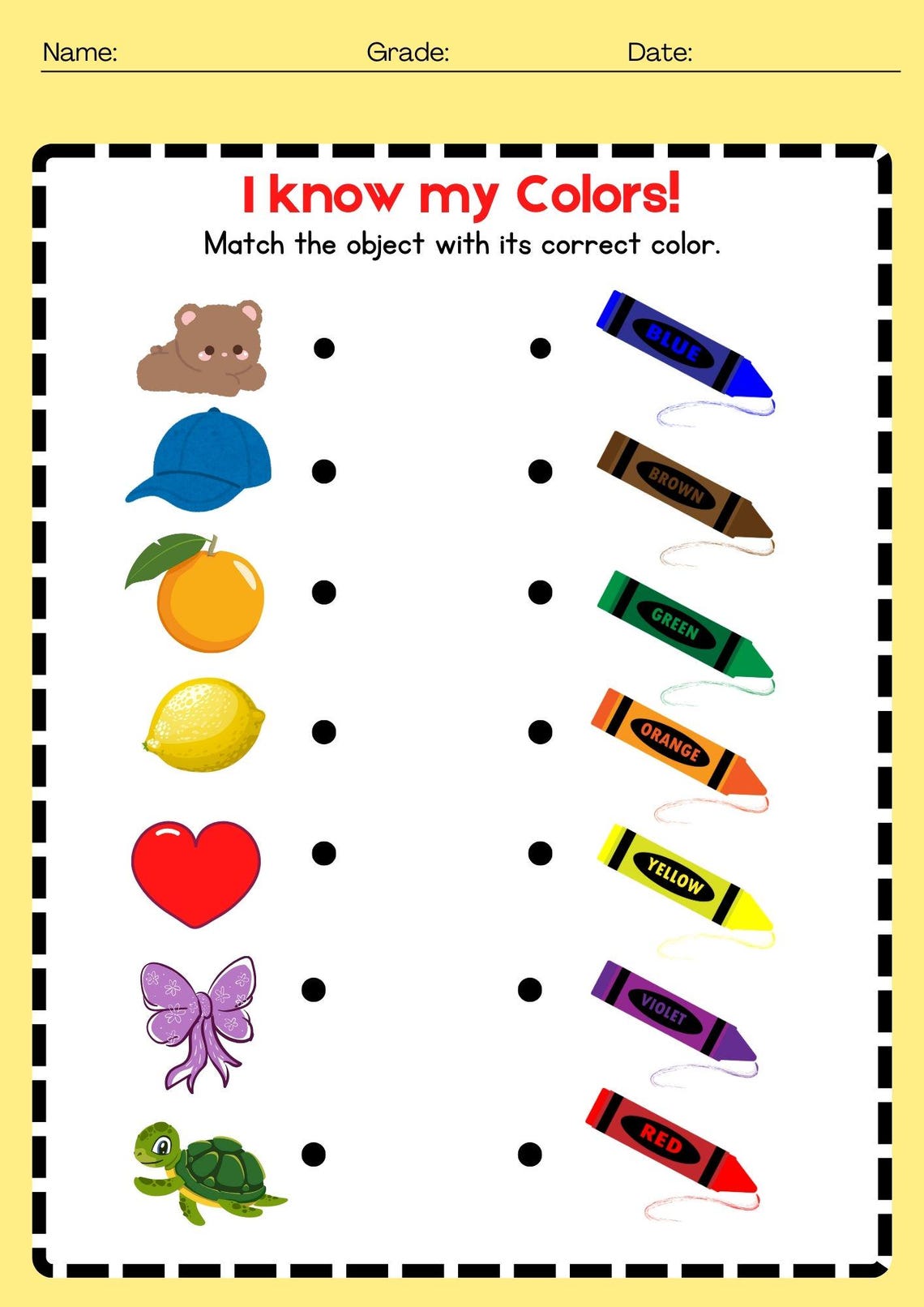
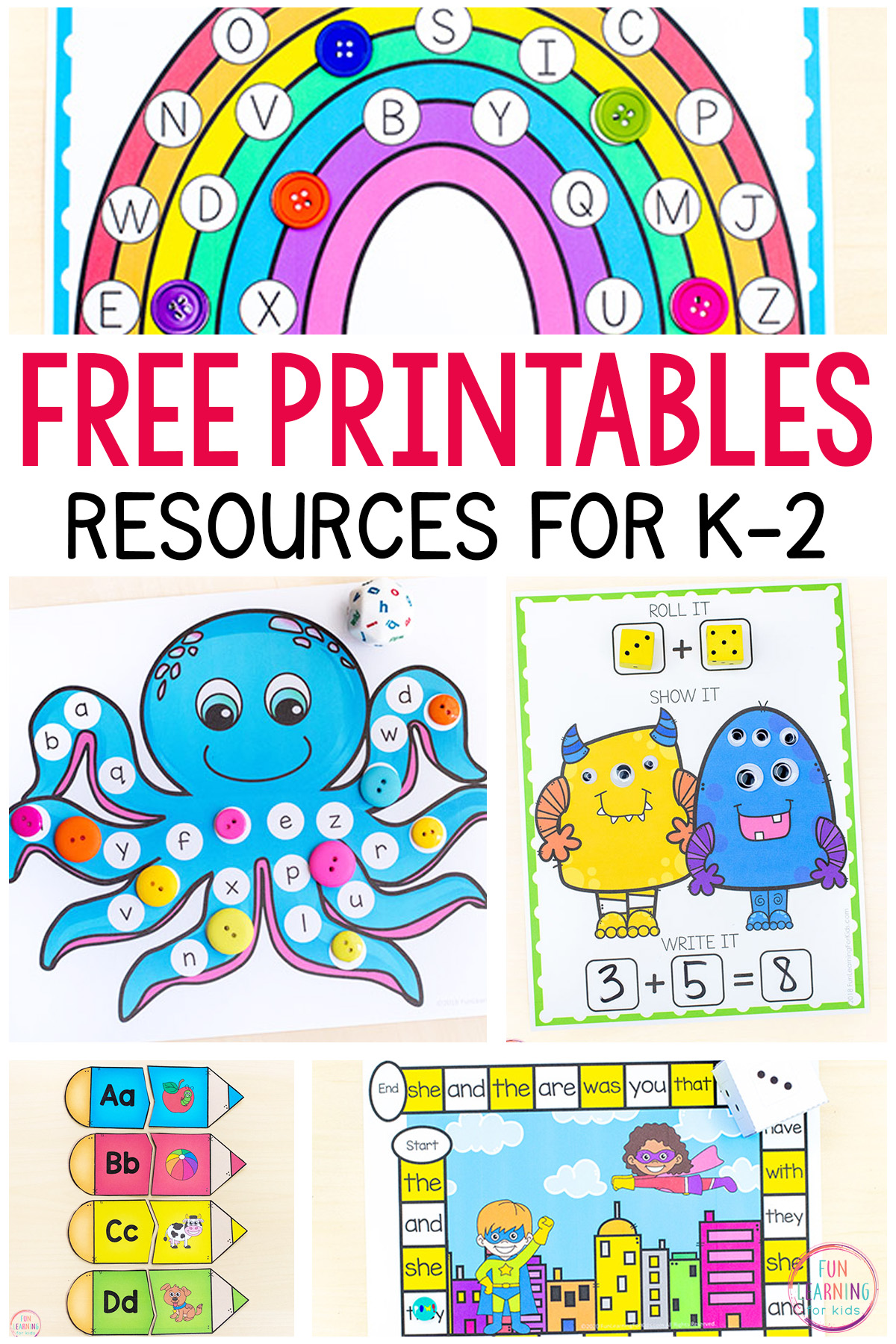
Fun educational activities for preschoolers encompass structured visual and tactile exercises designed to build foundational spatial intelligence, fine-motor control, and cognitive observation skills through targeted play. According to the National Association for the Education of Young Children (NAEYC), purposeful play-based art and visual tasks significantly enhance early childhood neural pathway development by integrating visual perception with physical coordination. Integrating printable grid drawing worksheets and real photo visual flashcards transforms abstract concepts into concrete spatial experiences that young learners can easily digest. Educators and parents aiming to enrich early curricula often explore diverse Educational Activities to sustain cognitive engagement.
Visual Learning & Skill Snapshot:
- Core Focus: Fun educational activities for preschoolers utilizing structured visual media and grid manipulation.
- Target Skill: Spatial reasoning, visual discrimination, fine-motor proportion, and photo-based concept mastery.
- Key Recommendation: Pair photographic references directly with simplified proportional grids to scaffold early observational drafting.
Core Principles and Visual Learning Overview
Early childhood visual learning relies on breaking complex environmental imagery down into manageable geometric segments using Grid Drawing frameworks. When preschoolers observe a real photographic subject sliced into a simple grid matrix, the brain learns to process individual coordinates rather than feeling overwhelmed by the whole object. This process directly strengthens visual discrimination, left-to-right tracking, and proportional estimation. Furthermore, combining these tactile drawing frameworks with Photo Flashcards reinforces object recognition, categorization, and vocabulary acquisition through crisp, high-definition visual stimuli.
Key Specifications and Breakdown
| Age / Learning Stage | Visual Skill & Grid Ratio | Pedagogical Application & Scaffolding |
|---|---|---|
| Ages 3 to 4 (Early Explorer) | 2×2 Grid with high-contrast photographic reference | Focuses on basic quadrant identification, gross line matching, and vocabulary expansion using clear photo subjects. |
| Ages 4 to 5 (Developing Observer) | 3×3 Grid with moderate detail and bold outlines | Targets fine-motor pencil control, shape proportion estimation, and careful eye-hand coordination checks. |
| Ages 5 to 6 (Advanced Preschooler) | 4×4 Grid featuring complex natural photo textures | Prepares learners for formal elementary geometry by translating multi-point coordinates onto blank templates. |
Structured visual activities and grid-based drawing frameworks accelerate spatial working memory and visual-motor integration in early childhood learners. — National Art Education Association (NAEA)
Step-by-Step Practical Application and Printing Guidelines
Executing effective visual lessons requires high-contrast printing, durable paper stock, and progressive scaffolding to maintain optimal child engagement. Educators should print grid worksheets on heavyweight cardstock to prevent tearing during enthusiastic marker or crayon application. Begin the session by displaying the corresponding photographic flashcard, allowing the child to examine the real-world subject before pointing out individual grid lines. Guide the child to focus strictly on one single square at a time, copying lines or color blocks systematically to build analytical confidence without inducing frustration.
Common Challenges and How to Avoid Them
Young children frequently struggle with proportion distortion and cognitive overload when presented with grids that contain an excessive number of squares. To prevent frustration, educators must restrict initial sessions to simple two-by-two or three-by-three formats featuring large, unambiguous photographic subjects. If a child attempts to draw the entire picture at once instead of working square by square, use a physical window mask or paper card to cover all other quadrants until the active square is completed.
💬 Frequently Asked Questions
Explore More Free Learning Printables and Visual Activities on WePhotoAgency
Discovering innovative methods to enrich early childhood education becomes effortless when utilizing professionally designed visual resources. Educators, parents, and homeschool curriculum planners can access an extensive library of printables by exploring the main WePhotoAgency hub to support comprehensive child development today.
Visual Reference Gallery