Introduction
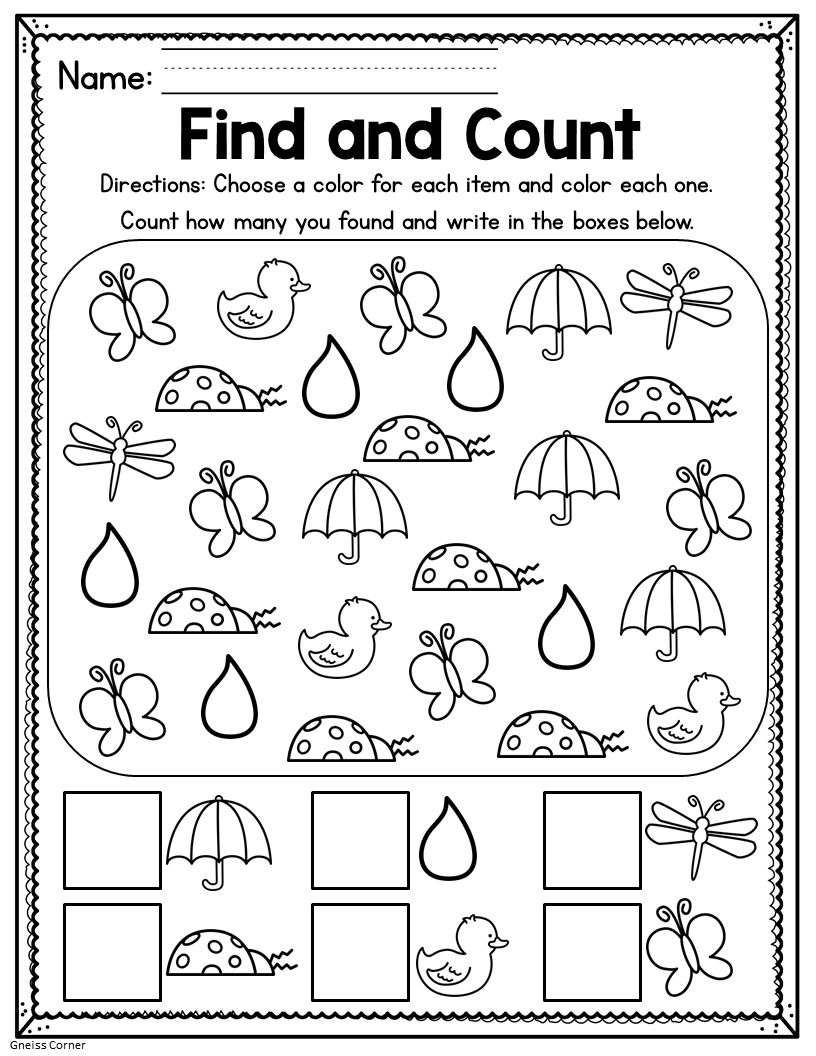
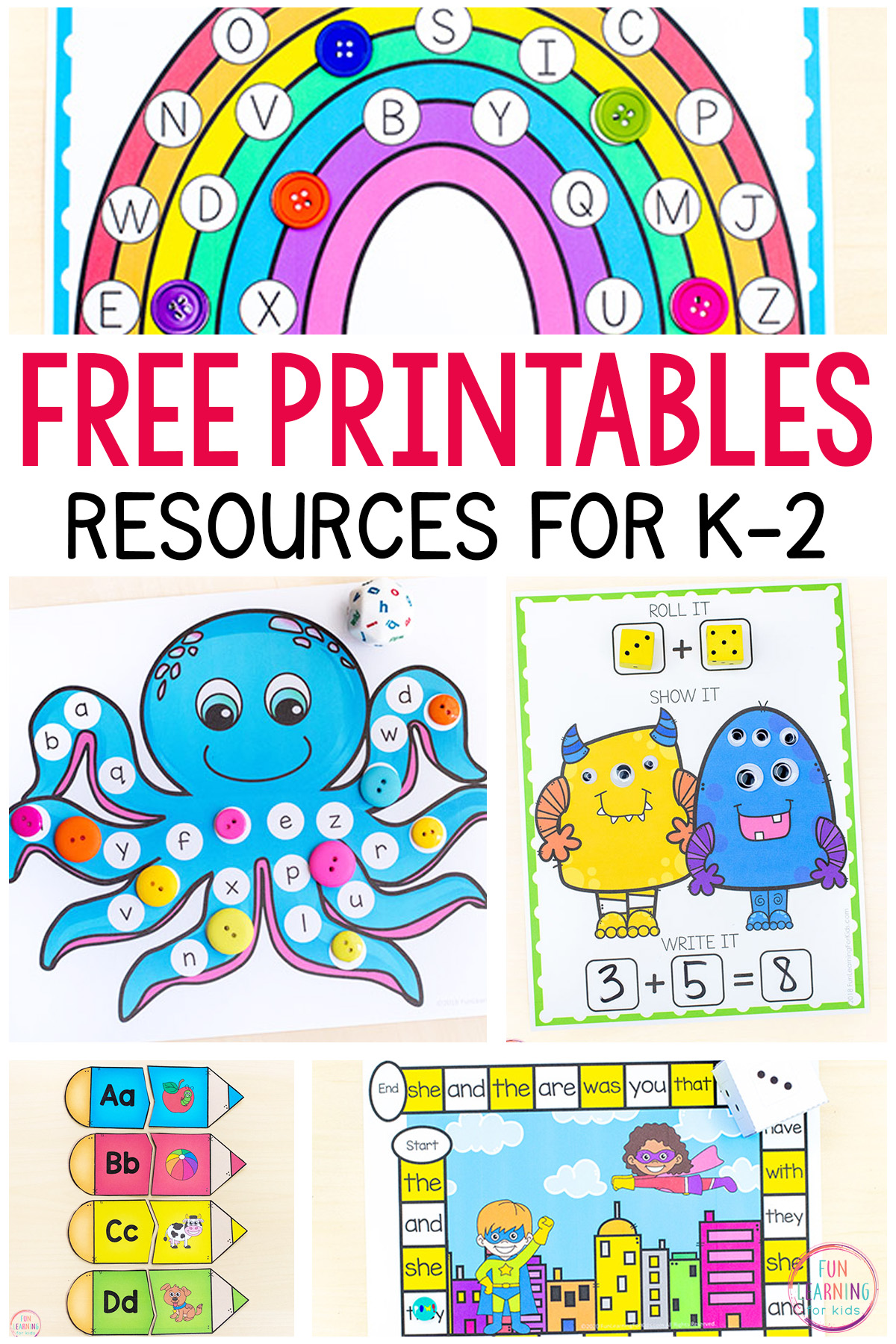
Fun educational activities for kindergarten systematically integrate visual arts, spatial awareness, and cognitive development to establish a foundational framework for early childhood learning. According to the National Association for the Education of Young Children (NAEYC), purposeful play and structured visual manipulation directly enhance young learners’ fine motor skills, critical observation abilities, and mathematical proportion estimation. Utilizing curated Educational Activities provides educators and caregivers with structured opportunities to bridge abstract concepts with tangible, tactile experiences that resonate deeply with kindergarten-aged minds.
Visual Learning & Skill Snapshot:
- Core Focus: Fun educational activities for kindergarten combining structured grid drawing and real-world photographic reference materials.
- Target Skill: Spatial reasoning, visual discrimination, fine-motor proportion, and observation-based concept mastery.
- Key Recommendation: Implement scaffolding by pairing photographic references with proportional drawing grids to support progressive cognitive growth.
Core Principles and Visual Learning Overview
Visual learning during early childhood relies heavily on transitioning from concrete photographic references to abstract graphical representations through structured observation. Utilizing specialized Grid Drawing exercises allows five-year-old learners to break down complex visual stimuli into manageable, localized quadrants. This deliberate compartmentalization reduces cognitive overload, teaching children how to analyze lines, angles, and spatial relationships methodically. Simultaneously, incorporating vibrant Photo Flashcards grounds abstract letters, numbers, and scientific concepts in tangible reality, activating dual-coding pathways in the developing brain for superior memory retention and conceptual fluency.
Key Specifications and Breakdown
| Age / Learning Stage | Visual Skill & Grid Ratio | Pedagogical Application & Scaffolding |
|---|---|---|
| Early Kindergarten (Ages 5-6) | 2×2 Grid with Real Photo Reference | Focuses on basic quadrant isolation, large motor control, and foundational shape recognition. |
| Mid Kindergarten (Ages 5-6) | 3×3 Grid with Proportional Lines | Builds intermediate spatial tracking, precise coordinate matching, and line continuity. |
| Advanced Kindergarten (Ages 6-7) | 4×4 Grid with Complex Photography | Enhances detailed proportion estimation, fine-motor dexterity, and independent visual analysis. |
Structured visual arts integration and spatial manipulation materials significantly accelerate early mathematical proportion understanding and visual-spatial working memory in kindergarten learners. — National Art Education Association (NAEA)
Step-by-Step Practical Application and Printing Guidelines
Executing effective visual lessons requires careful preparation of printable resources, clear workspace arrangement, and methodical scaffolding. Educators and parents should begin by printing high-contrast worksheets on heavy-weight cardstock to prevent tearing during pencil erasure and marker application. Place the reference photograph directly adjacent to the blank grid worksheet to minimize cognitive strain caused by excessive head movement and visual searching. Guide young learners to cover all grid rows except the top active row using a blank index card, teaching systematic top-to-bottom, left-to-right scanning habits that directly reinforce early reading and writing mechanics.
Common Challenges and How to Avoid Them
Young learners frequently experience frustration when attempting to draw entire objects at once rather than focusing on individual grid intersections. Overcoming this hurdle involves explicitly demonstrating how to look inside a single box, identifying where a line enters and exits the grid border, and ignoring the surrounding context until adjacent boxes require completion. Furthermore, avoid utilizing overly intricate reference photographs during initial practice sessions; instead, select bold, high-contrast imagery featuring clear silhouettes and minimal background noise to ensure immediate visual success and sustained engagement.
💬 Frequently Asked Questions
Explore More Free Learning Printables and Visual Activities on WePhotoAgency
Empowering early childhood education requires continuous access to high-quality, research-backed instructional materials designed to foster curiosity and foundational mastery. Educators, homeschoolers, and parents can discover an extensive library of professional teaching resources, creative visual exercises, and developmental printables by exploring the complete catalog available at WePhotoAgency.com.
Visual Reference Gallery