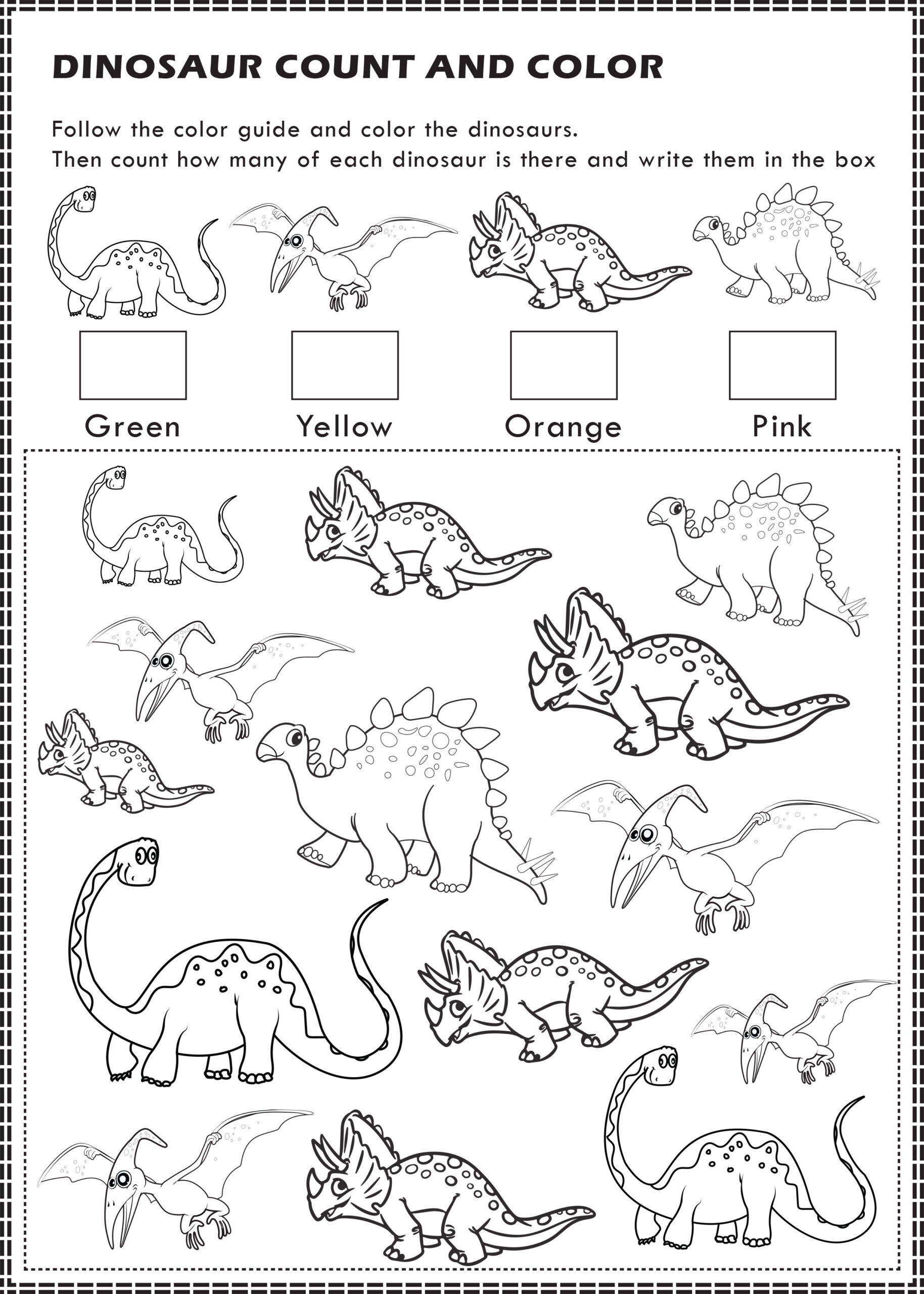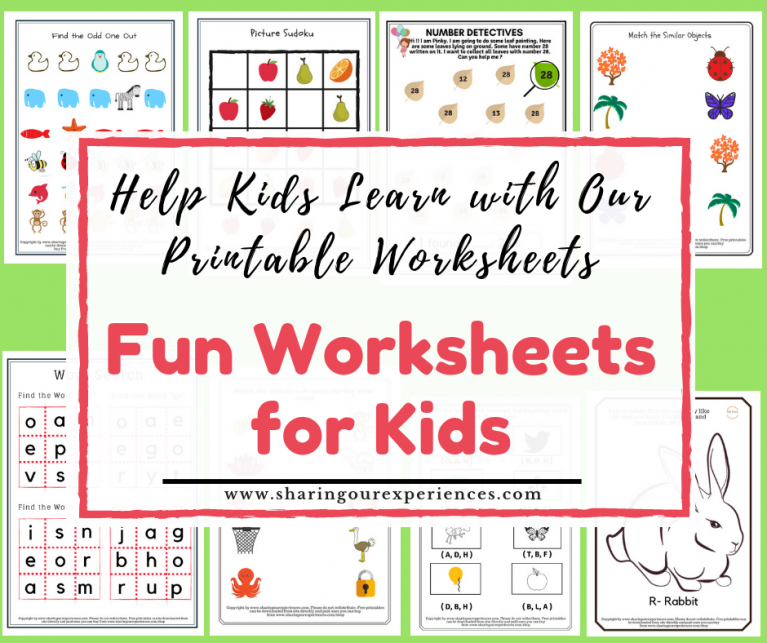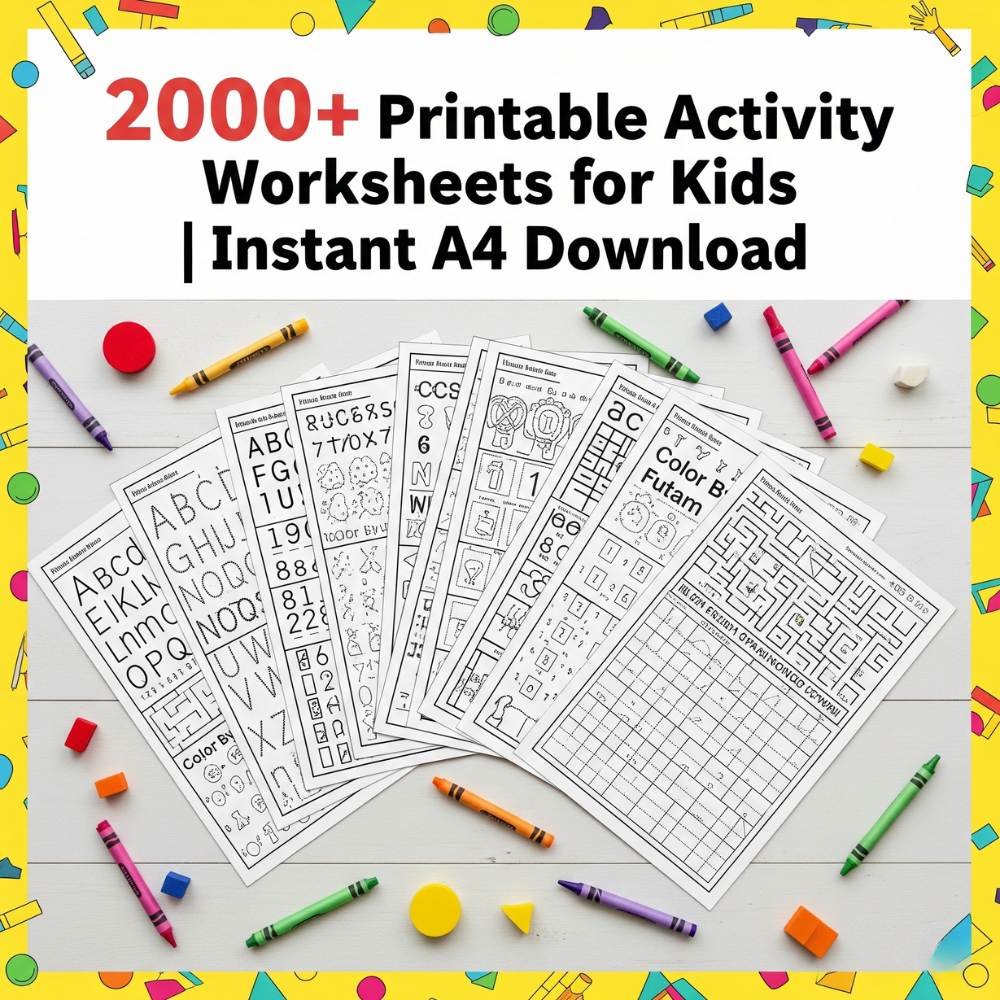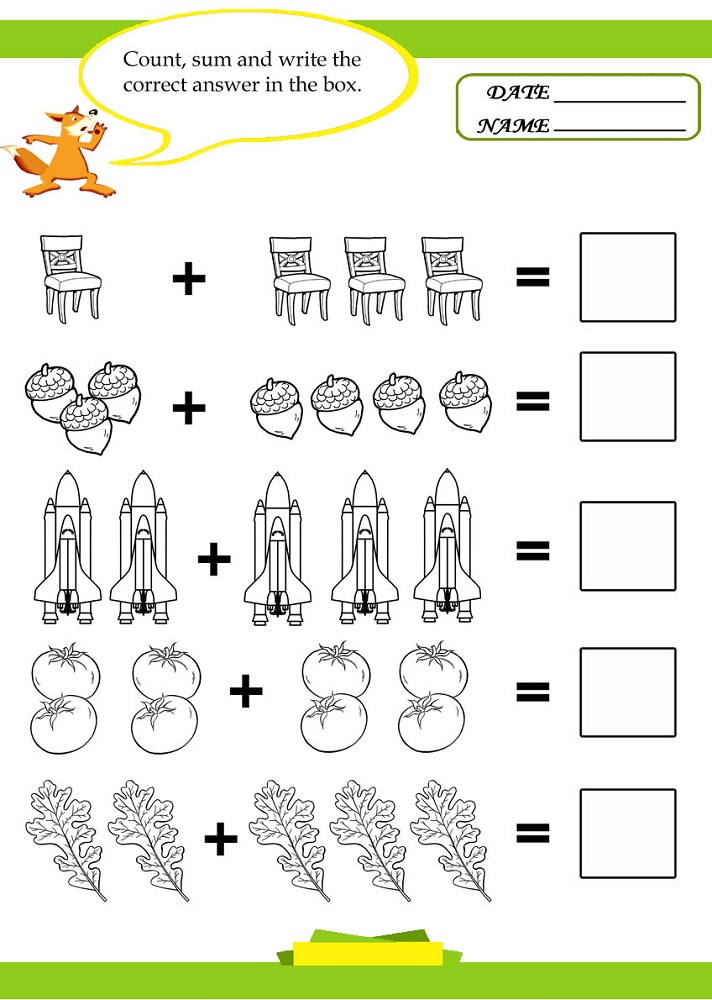
Introduction
Fun educational activities for kids online integrate digital assets with tactile printables to systematically build spatial awareness, visual discrimination, and proportion estimation in young learners. According to the National Association for the Education of Young Children (NAEYC), purposeful integration of concrete manipulation alongside digital visual prompts significantly enhances cognitive flexibility and fine-motor control in early childhood education. Educators, homeschoolers, and parents can leverage structured printable resources to translate digital engagement into meaningful hand-eye coordination and artistic development.
Visual Learning & Skill Snapshot:
- Core Focus: Fun educational activities for kids online bridge digital image exploration with offline grid drawing and real-world photo analysis.
- Target Skill: Spatial reasoning, visual discrimination, fine-motor proportion, and photographic literacy.
- Key Recommendation: Combine high-contrast photographic flashcards with progressive coordinate grid sheets to build foundational analytical habits.
Core Principles and Visual Learning Overview
Fun educational activities for kids online utilize structured photographic resources and matrix divisions to teach children how to deconstruct complex visual stimuli into manageable geometric components. When children analyze high-resolution visual materials, neural pathways dedicated to pattern recognition and spatial mapping activate rapidly. By pairing online inspiration with offline Grid Drawing exercises, learners develop accurate proportion estimation without experiencing cognitive overload. This hybrid methodology fosters critical observation skills by teaching children to isolate individual grid squares, assess negative space, and replicate lines with precision.
Key Specifications and Breakdown
| Age / Learning Stage | Visual Skill & Grid Ratio | Pedagogical Application & Scaffolding |
|---|---|---|
| Ages 4-5 (Early Explorers) | 2×2 Matrix & Real Photo Flashcards | Focuses on macro-object identification and gross spatial orientation using concrete Photo Flashcards. |
| Ages 6-7 (Emerging Artists) | 4×4 Grid Scale & Proportion Matching | Scaffolds fine-motor precision, teaching children to transfer lines square-by-square from reference images. |
| Ages 8-9 (Advanced Observers) | 6×6 Complex Grid & Fine Detail Work | Enhances analytical perspective, perspective-taking, and detailed observation through comprehensive Educational Activities. |
Visual-spatial training through structured grid division measurably accelerates early geometric reasoning, fine-motor coordination, and proportional accuracy in developing minds. — National Art Education Association (NAEA). For more related activities, check out our Fun Educational Activities For Kids In School.
Step-by-Step Practical Application and Printing Guidelines
Fun educational activities for kids online achieve optimal developmental outcomes when printing and preparation adhere to rigorous technical standards. Begin by selecting high-contrast reference images that clearly delineate edges, shadows, and focal points. Print master worksheets on heavy-weight matte cardstock (at least 110 lb / 200 gsm) to withstand repeated erasing and pencil pressure by young hands. Instruct learners to isolate one grid coordinate at a time using a blank card as a framing tool, which minimizes visual clutter and encourages deep analytical focus before putting pencil to paper.
Common Challenges and How to Avoid Them
Fun educational activities for kids online often encounter early obstacles when children attempt to draw entire objects at once instead of isolating individual grid squares. Educators and parents can prevent frustration by teaching learners to look exclusively at intersection points and negative space within a single coordinate block rather than focusing on the global picture. Providing scaled reference lines and breaking complex photographic subjects into simpler geometric overlays ensures that children maintain steady progress and develop genuine confidence in their observational drawing abilities.
💬 Frequently Asked Questions
Explore More Free Learning Printables and Visual Activities on WePhotoAgency
Supporting cognitive development, artistic confidence, and spatial intelligence requires a reliable library of professionally designed resources. Explore the complete collection of structured worksheets, drawing templates, and visual tools by visiting WePhotoAgency.com to elevate early childhood learning today.
Visual Reference Gallery