Introduction
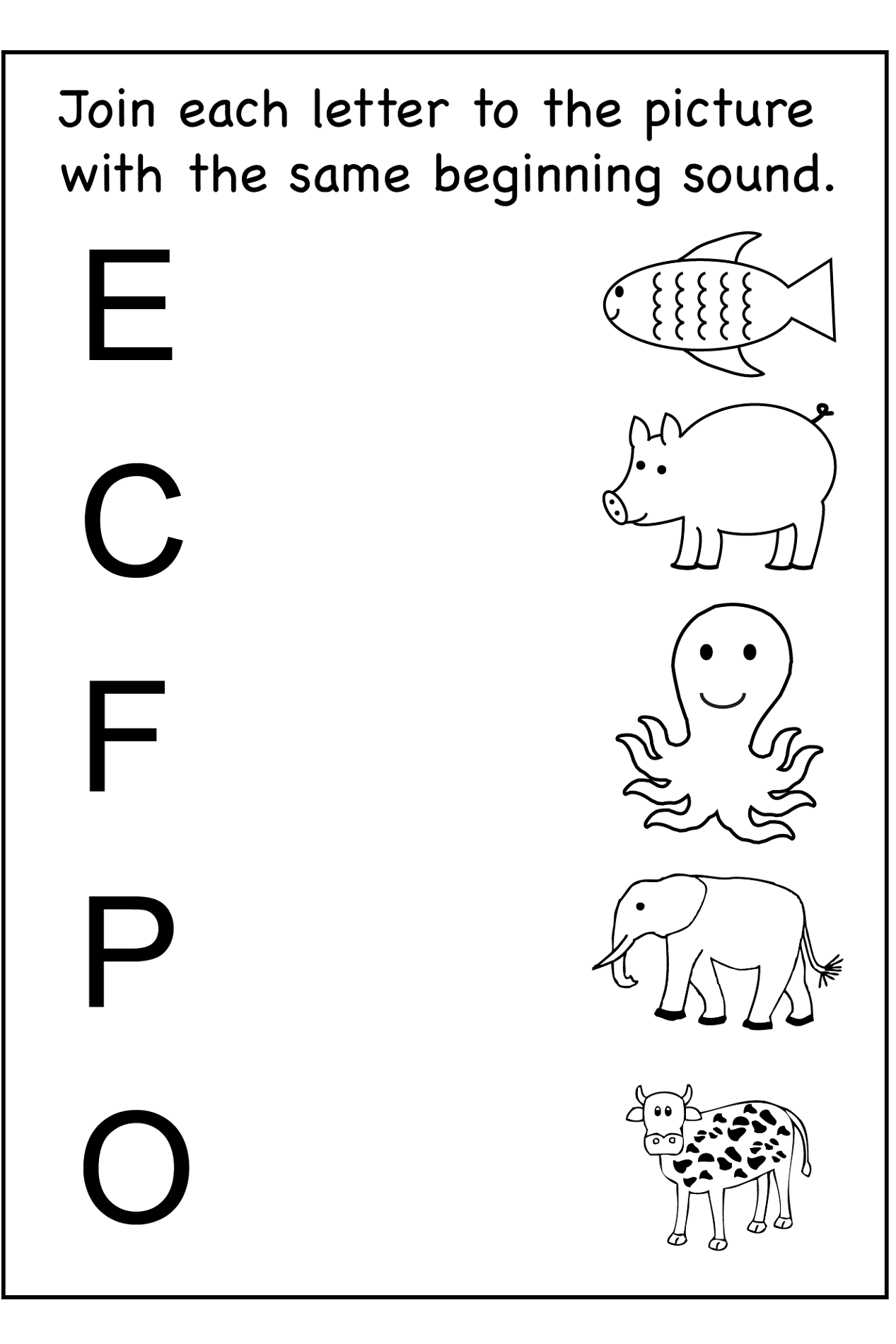
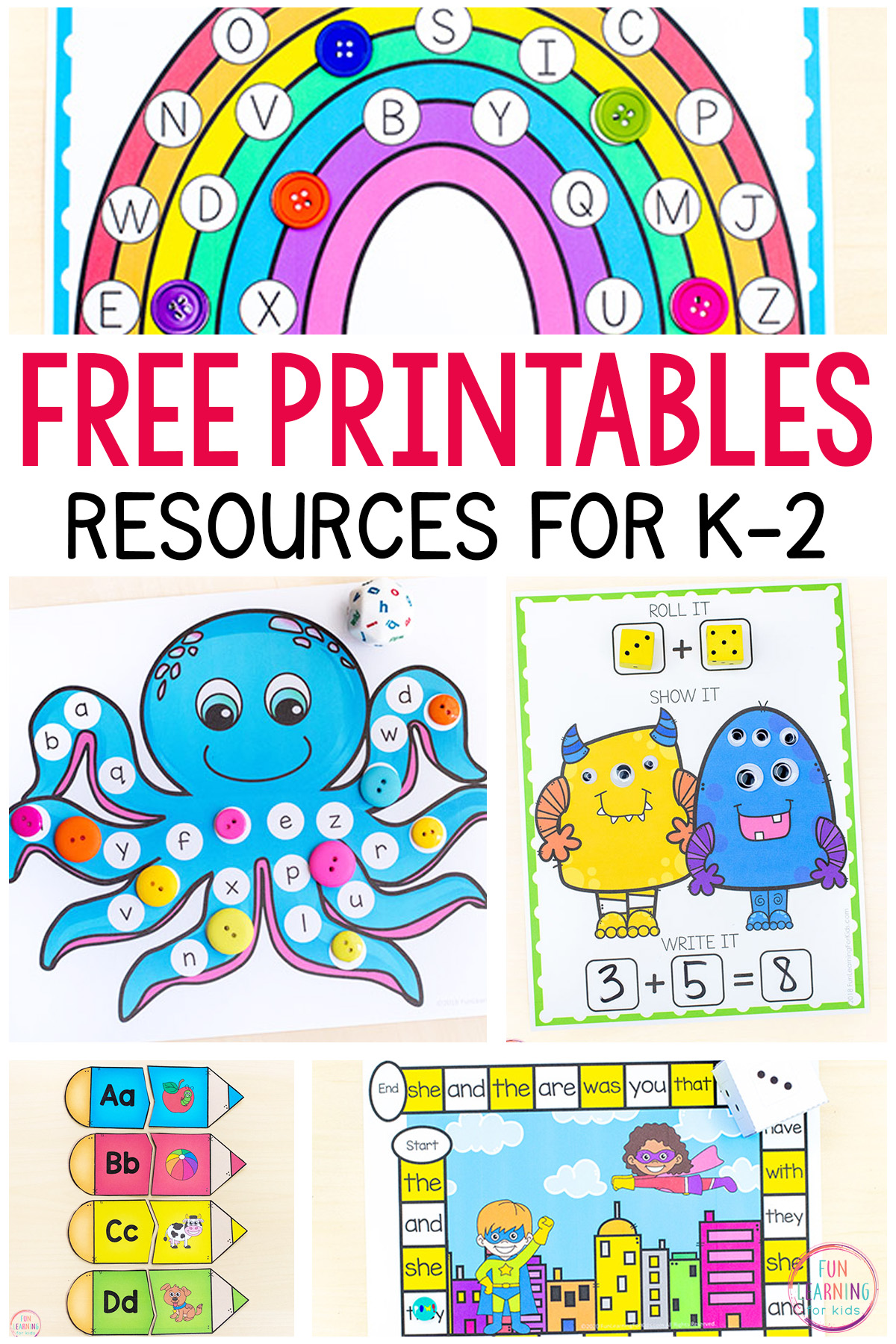
Free printable learning activities for kids provide structured visual exercises that systematically develop spatial awareness, hand-eye coordination, and cognitive tracking through downloadable paper-based tasks. According to the National Association for the Education of Young Children (NAEYC), hands-on manipulative and observational printables are foundational tools that accelerate early childhood neural pathway development by bridging abstract concepts with tangible visual data. Educators and parents utilize these resources to establish screen-free interactive learning environments that target fine-motor precision and visual literacy. Integrating specialized Educational Activities into daily curricula ensures young learners build robust foundational skills necessary for advanced academic and creative pursuits.
Visual Learning & Skill Snapshot:
- Core Focus: Free printable learning activities for kids centered on grid drawing worksheets and real photo visual flashcards.
- Target Skill: Spatial reasoning, visual discrimination, fine-motor proportion estimation, and photographic observation.
- Key Recommendation: Laminate printable master sheets and utilize non-toxic dry-erase markers to encourage iterative practice without paper waste.
Core Principles and Visual Learning Overview
Grid drawing worksheets and real photo flashcards function as critical instruments for cognitive development by dividing complex visual stimuli into manageable geometric and photographic components. Direct answer in the first sentence: Structured printable activities enhance neurological pattern recognition by forcing the brain to analyze spatial relationships, angles, and relative proportions rather than relying on generalized symbol memory. Utilizing Grid Drawing exercises teaches children how to isolate individual coordinates, translating a larger picture into smaller, digestible squares. Simultaneously, employing Photo Flashcards featuring crisp, real-world imagery strengthens visual-semantic mapping, vocabulary retention, and environmental awareness. When learners cross-reference photographic details with grid coordinates, executive function and working memory capacity expand organically.
Key Specifications and Breakdown
| Age / Learning Stage | Visual Skill & Grid Ratio | Pedagogical Application & Scaffolding |
|---|---|---|
| Ages 3-4 (Preschool) | 2×2 Grid with Real Photos | Focuses on macro-observation, matching whole objects, and basic tactile identification. |
| Ages 5-7 (Early Elementary) | 4×4 Grid with Split Proportions | Teaches coordinate tracking, line intersection, and direct visual proportion estimation. |
| Ages 8-10 (Advanced Primary) | 8×8 Complex Photographic Grid | Refines intricate detail rendering, shading translation, and independent error-checking. |
Structured visual activities directly stimulate the parietal and occipital lobes, reinforcing spatial reasoning and analytical proportion estimation during critical developmental windows. — National Art Education Association (NAEA)
Step-by-Step Practical Application and Printing Guidelines
Implementing printable visual resources effectively requires careful material preparation, optimal scaling, and systematic adult scaffolding to maximize cognitive engagement. Direct answer in the first sentence: Print all master worksheets on heavyweight 24lb to 32lb matte cardstock using high-resolution printer settings to ensure crisp grid lines and vivid photographic contrast. Begin the activity by demonstrating how to isolate a single grid square, pointing out specific reference points where lines intersect the borders. Instruct learners to replicate the contents of that precise coordinate before progressing horizontally or vertically across the page. For photographic flashcards, encourage children to describe textures, light sources, and negative space verbally before attempting any manual reproduction, thereby deepening multisensory cognitive processing.
Common Challenges and How to Avoid Them
Rushing through proportions and misidentifying coordinate intersections represent the primary obstacles children encounter when tackling grid-based visual printables. Direct answer in the first sentence: Prevent frustration by covering all grid sections except the active target square with a blank index card, isolating the visual data and eliminating cognitive overload. When learners struggle with proportion estimation, provide physical rulers or counting guides to help translate measurements from source images onto the drawing grid. Emphasize that precision develops through iterative drafting rather than immediate perfection, validating trial-and-error as an essential element of artistic and cognitive growth.
💬 Frequently Asked Questions
Explore More Free Learning Printables and Visual Activities on WePhotoAgency
Accessing comprehensive educational tools empowers educators and families to foster exceptional visual literacy and cognitive growth in young learners. Discover an extensive library of professional-grade printables, specialized worksheets, and developmental guides by visiting WePhotoAgency.com to elevate everyday learning experiences.
Visual Reference Gallery