Introduction
Free educational activities for kindergarten at home provide structured, cognitively rich visual arts experiences that systematically enhance spatial reasoning, fine-motor control, and early academic readiness without requiring expensive curriculum purchases. According to the National Association for the Education of Young Children (NAEYC), purposeful visual arts integration and hands-on manipulation of spatial materials during early childhood support foundational cognitive architecture, visual discrimination, and symbolic representation. Grounding early learning in structured observation ensures that children build essential attentional habits and manual dexterity.
Visual Learning & Skill Snapshot:
- Core Focus: Free educational activities for kindergarten at home utilizing grid drawing worksheets and real photo flashcards.
- Target Skill: Spatial reasoning, visual discrimination, fine-motor proportion, and observation-based concept mastery.
- Key Recommendation: Implement scaffolded 2×2 grid drawing paired with high-clarity photo prompts to bridge concrete object recognition with abstract graphical execution.
Core Principles and Visual Learning Overview
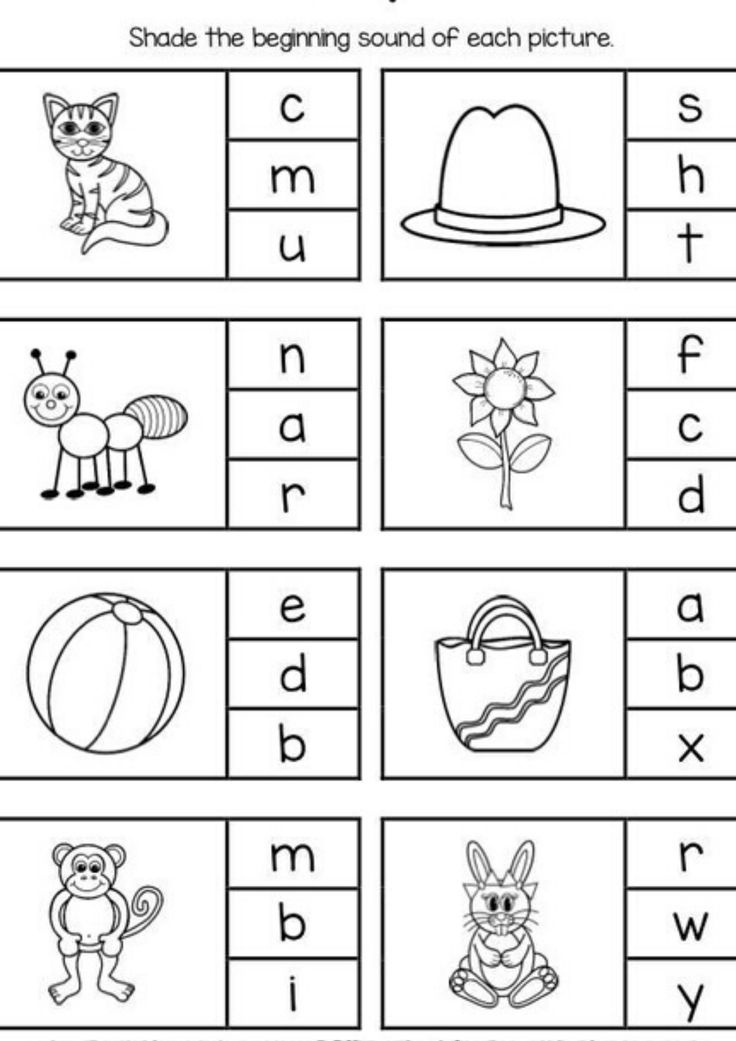
Spatial reasoning and visual-motor integration form the bedrock of early mathematical and literacy development in kindergarten learners. Printable Grid Drawing worksheets serve as powerful developmental tools, training young minds to break complex visual stimuli into manageable, isolated components. By translating a real-world visual from a reference quadrant into a blank target grid, children learn core principles of proportion estimation, edge alignment, and bilateral coordination. Simultaneously, incorporating authentic Photo Flashcards replaces abstract cartoon illustrations with true-to-life visual data, deepening real-world object recognition, categorical sorting, and descriptive vocabulary acquisition through structured Educational Activities.
Key Specifications and Breakdown
| Age / Learning Stage | Visual Skill & Grid Ratio | Pedagogical Application & Scaffolding |
|---|---|---|
| Early Kindergarten (Ages 5-6) | 2×2 Grid (Basic Quadrants) | Focuses on simple geometric shapes and high-contrast photographic outlines to build fundamental coordinate tracking. |
| Mid Kindergarten (Ages 5.5-6.5) | 3×3 Grid (Intermediate Scale) | Introduces complex organic forms, requiring children to analyze line intersections and proportionate spacing. |
| Advanced Kindergarten (Ages 6-7) | 4×4 Grid (Advanced Precision) | Demands meticulous observation, micro-motor control, and accurate cross-referencing of detailed photographic elements. |
Visual arts education and spatial reasoning exercises directly correlate with enhanced mathematical problem-solving capacity and neurological connectivity in early childhood development. — National Art Education Association (NAEA). For more related activities, check out our Fun But Educational Games For Kids.
Step-by-Step Practical Application and Printing Guidelines
Implementing free educational activities for kindergarten at home requires clean printing techniques, uncluttered workspaces, and predictable visual routines to maximize focus. Educators and parents should print grid worksheets on heavyweight, bright white cardstock (65lb or higher) to prevent graphite bleed-through and paper tearing during intensive eraser use. Begin sessions by placing a single reference photo alongside a blank coordinate grid, encouraging young learners to track visual data column by column and row by row. Utilizing mechanical pencils with soft, dark lead (HB or 2B) reduces hand fatigue and ensures clear, visible marks that build immediate confidence in line accuracy.
Common Challenges and How to Avoid Them
Frustration during home-based visual exercises typically stems from starting with overly complex grid matrices or low-resolution reference images that obscure key spatial lines. Adults can successfully mitigate these hurdles by introducing simpler 2×2 grids before advancing to multi-cell sheets, ensuring that children master quadrant isolation first. If a learner struggles with proportion, encourage the use of an index finger or a blank framing card to isolate one single square at a time, eliminating visual overwhelm from the surrounding page elements.
💬 Frequently Asked Questions
Explore More Free Learning Printables and Visual Activities on WePhotoAgency
Accessing high-quality, professional-grade visual learning assets transforms home education into an engaging, structured journey of discovery. Explore the comprehensive digital library of printables, drawing exercises, and developmental resources directly at WePhotoAgency.com to elevate daily early childhood instruction.
Visual Reference Gallery