Introduction
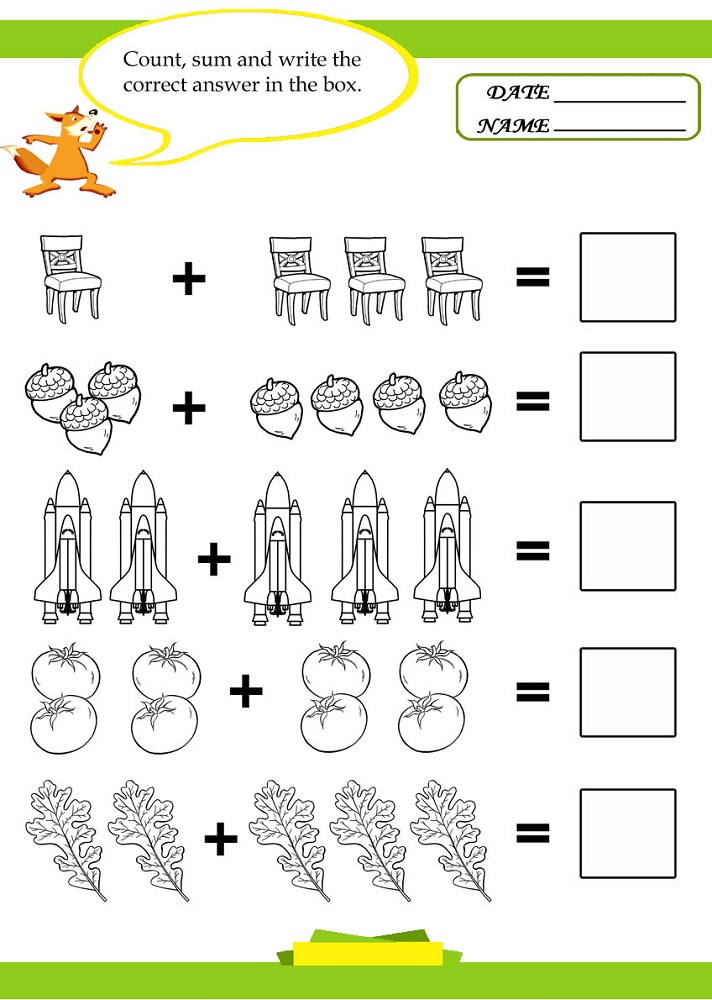
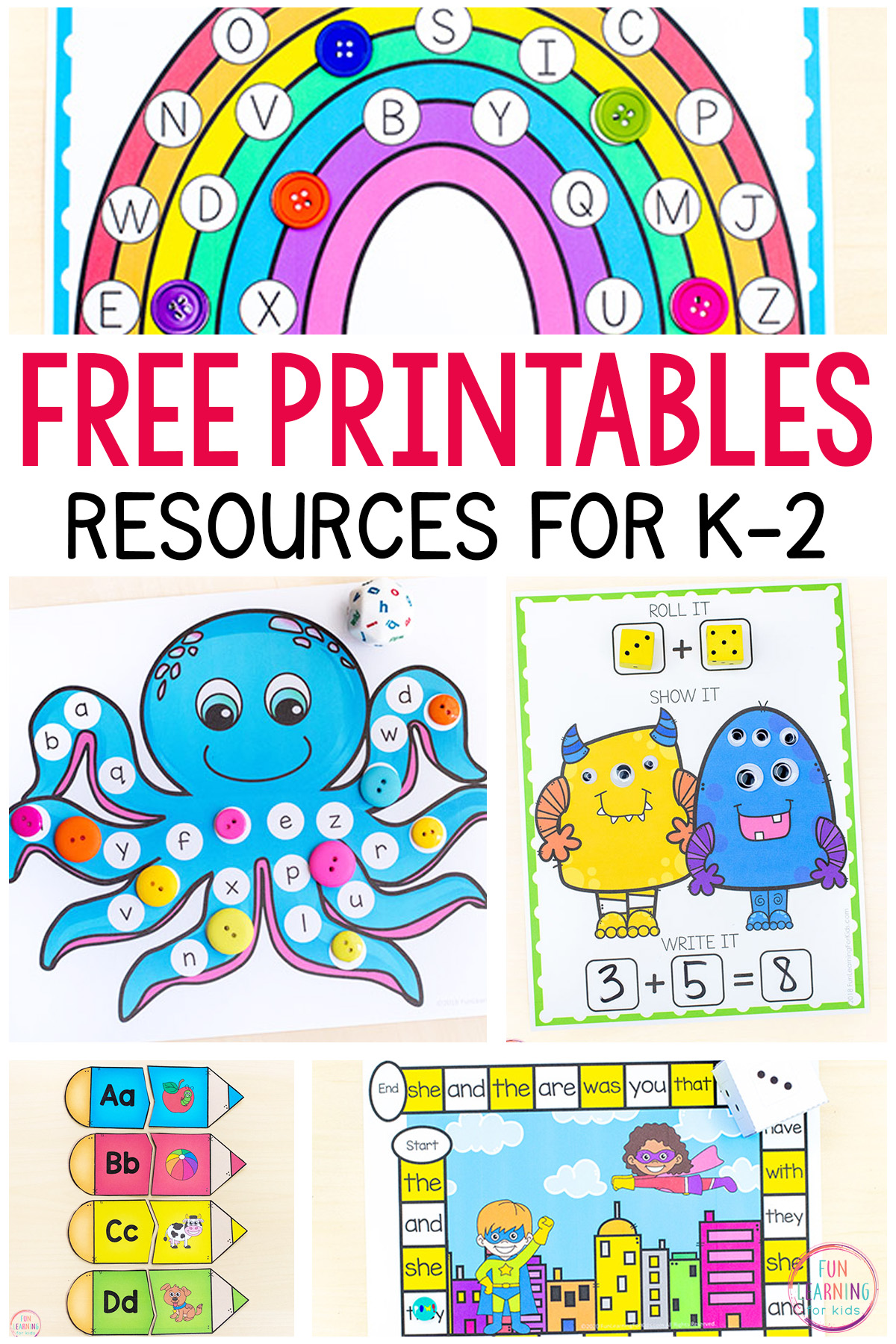
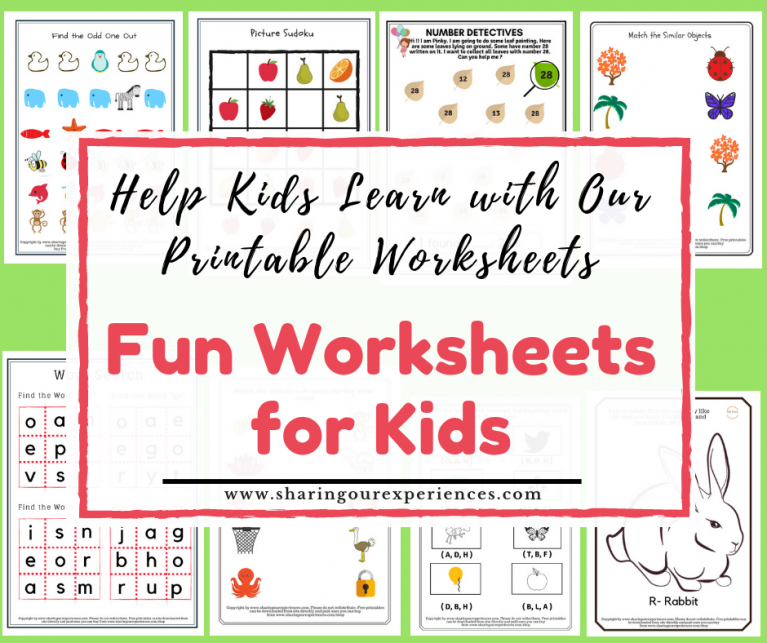
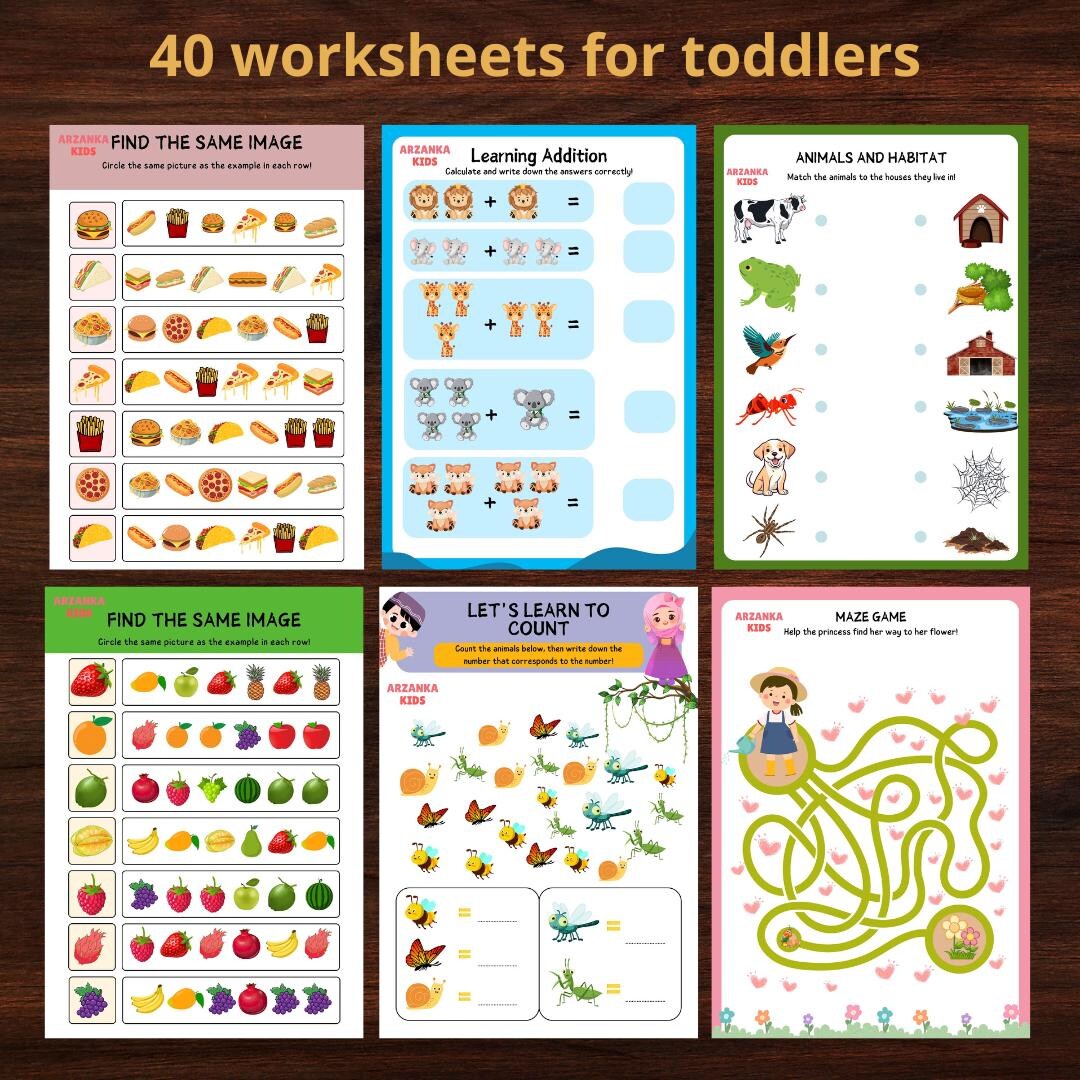
Free educational activities for kids at home encompass structured visual learning tools such as printable grid drawing worksheets, real photo visual flashcards, and spatial awareness exercises that systematically develop early cognitive and fine-motor skills. According to the National Association for the Education of Young Children (NAEYC), engaging young learners with intentional, hands-on visual media actively supports early literacy, mathematical proportion estimation, and critical observation abilities. Educators and parents can leverage these zero-cost home resources to bridge abstract cognitive concepts with concrete visual processing tasks. Utilizing structured Educational Activities provides children with accessible, high-yield learning experiences that require nothing more than household printing supplies.
Visual Learning & Skill Snapshot:
- Core Focus: Free educational activities for kids at home utilizing grid worksheets and real photo flashcards.
- Target Skill: Spatial reasoning, visual discrimination, fine-motor proportion, and observation mastery.
- Key Recommendation: Implement low-ink printing setups and progressive grid ratios to maximize cognitive retention.
Core Principles and Visual Learning Overview
Spatial reasoning and proportion estimation form the foundational pillars of early childhood visual literacy, directly influencing subsequent mathematical and reading competencies. Printable grid drawing worksheets break down complex visual stimuli into manageable coordinate squares, teaching children how to analyze shapes, lines, and negative space methodically. Concurrently, real photo visual flashcards eliminate cartoon abstraction, grounding cognitive development in authentic, real-world imagery that enhances semantic memory and vocabulary acquisition. When children map photographic elements onto structured grids, both hemispheres of the brain engage simultaneously, reinforcing analytical problem-solving and meticulous hand-eye coordination. Exploring specialized Grid Drawing exercises allows learners to transition smoothly from basic shape replication to advanced proportional scaling without requiring expensive commercial kits.
Key Specifications and Breakdown
| Age / Learning Stage | Visual Skill & Grid Ratio | Pedagogical Application & Scaffolding |
|---|---|---|
| Ages 3–4 (Early Learners) | 2×2 Grid / High-Contrast Objects | Focuses on basic shape recognition and simple coordinate matching using real photo flashcards. |
| Ages 5–7 (Kindergarten / Grade 1) | 4×4 Grid / Detailed Subject Matter | Develops fine-motor pencil control, proportion estimation, and segment-by-segment visual observation. |
| Ages 8+ (Early Elementary) | 6×6 Grid / Complex Photographic Reference | Refines advanced spatial scaling, perspective accuracy, and independent analytical breakdown. |
Structured visual activities and observational drawing tasks significantly enhance early neurological development by strengthening neural pathways dedicated to spatial memory and fine-motor precision. — National Art Education Association (NAEA)
Step-by-Step Practical Application and Printing Guidelines
Executing free educational activities at home requires setting up a dedicated, well-lit workspace with standard printer paper, sharpened graphite pencils, and erasers. Begin by selecting appropriate reference materials from curated collections of Photo Flashcards to establish immediate real-world connections before introducing the matching grid worksheet. Print the source image alongside its corresponding grid template, ensuring the coordinate markers remain clearly legible for the child. Instruct the learner to inspect one individual grid square at a time, looking specifically at where lines intersect the grid borders rather than attempting to draw the entire object at once. This methodical sector-by-sector scanning technique eliminates overwhelm, encourages sustained attention to detail, and guarantees accurate proportional transfer from reference to paper.
Common Challenges and How to Avoid Them
Young learners frequently experience frustration when attempting to copy an entire image at once instead of breaking the visual field down into isolated grid coordinates. Adults can successfully mitigate this challenge by providing an opaque window card or a blank index card to cover adjacent grid squares, forcing the child to focus exclusively on one isolated section at a time. Another common hurdle involves improper scaling where initial pencil lines become disproportionately large; teaching children to lightly map out intersecting boundary points before drawing definitive lines resolves this issue effectively. Furthermore, ensuring that home printers are set to standard 100 percent scaling prevents grid distortion and maintains the precise geometric ratios necessary for accurate spatial development.
💬 Frequently Asked Questions
Explore More Free Learning Printables and Visual Activities on WePhotoAgency
Accessing high-quality, zero-cost developmental tools has never been easier for educators, homeschoolers, and parents seeking to enrich domestic learning environments. By integrating structured visual resources, caregivers can foster a lifelong appreciation for observational accuracy and creative problem-solving. Discover a comprehensive collection of downloadable learning materials by visiting the main hub at WePhotoAgency.com to support continuous, engaging early education.
Visual Reference Gallery