Introduction
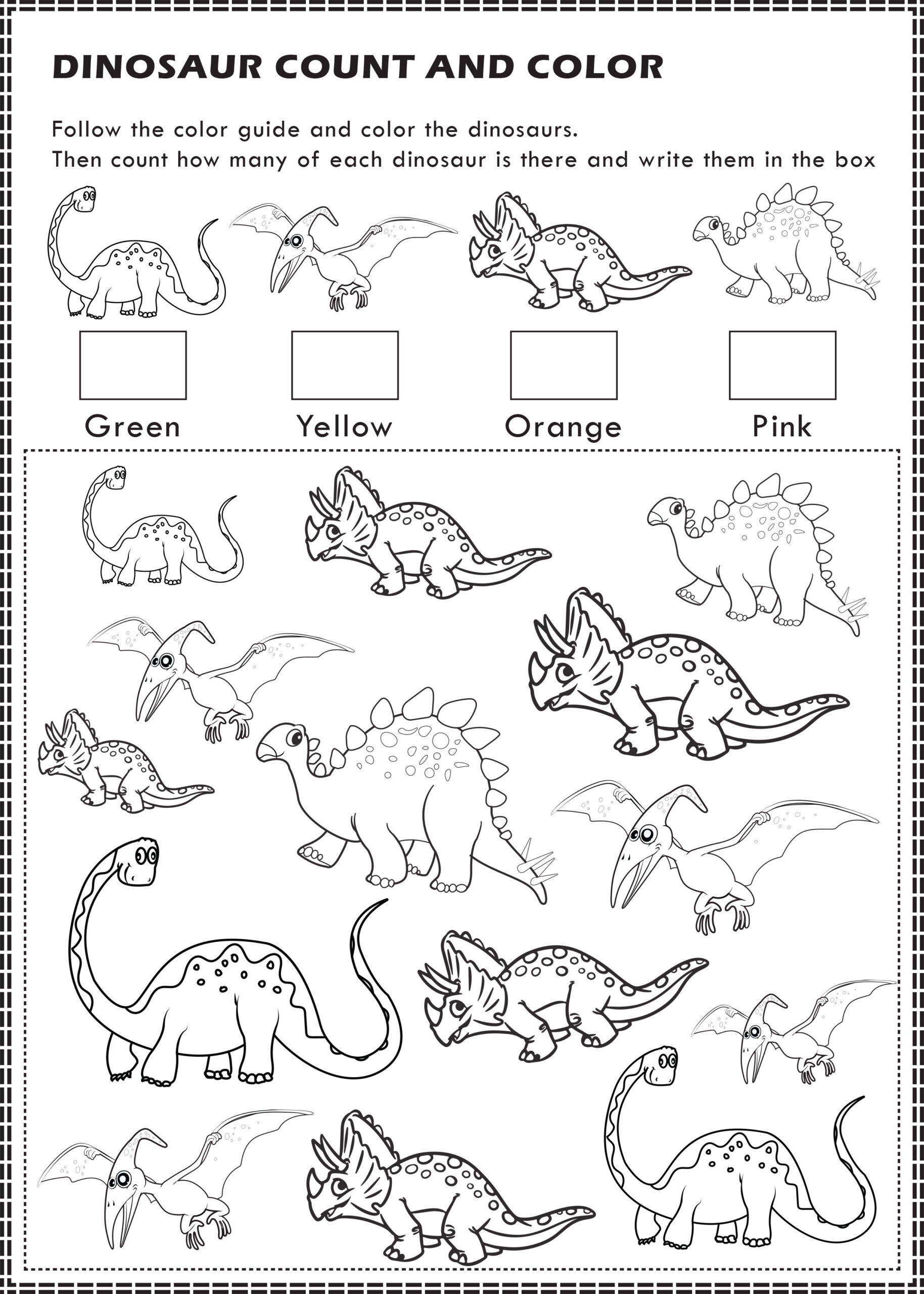
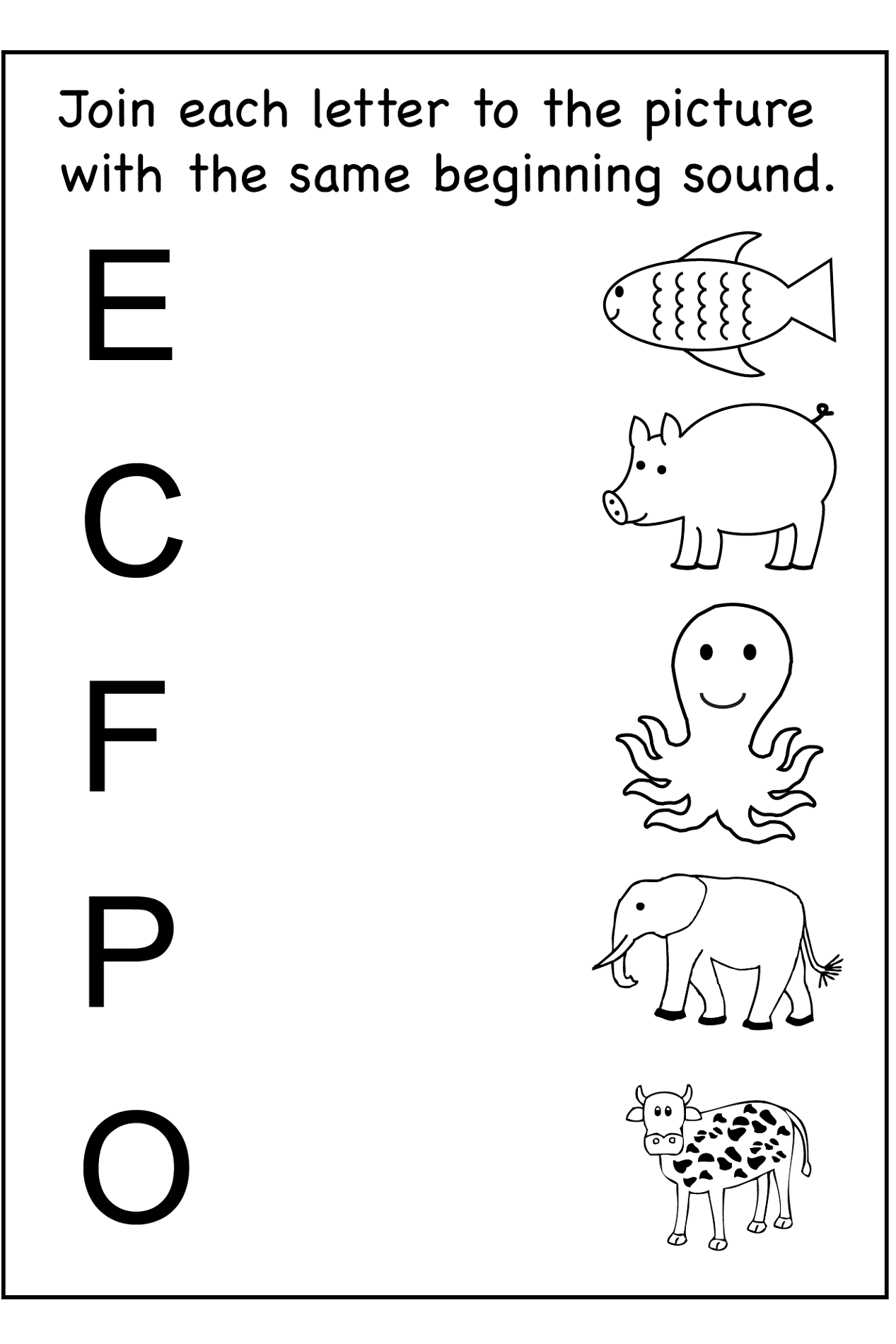
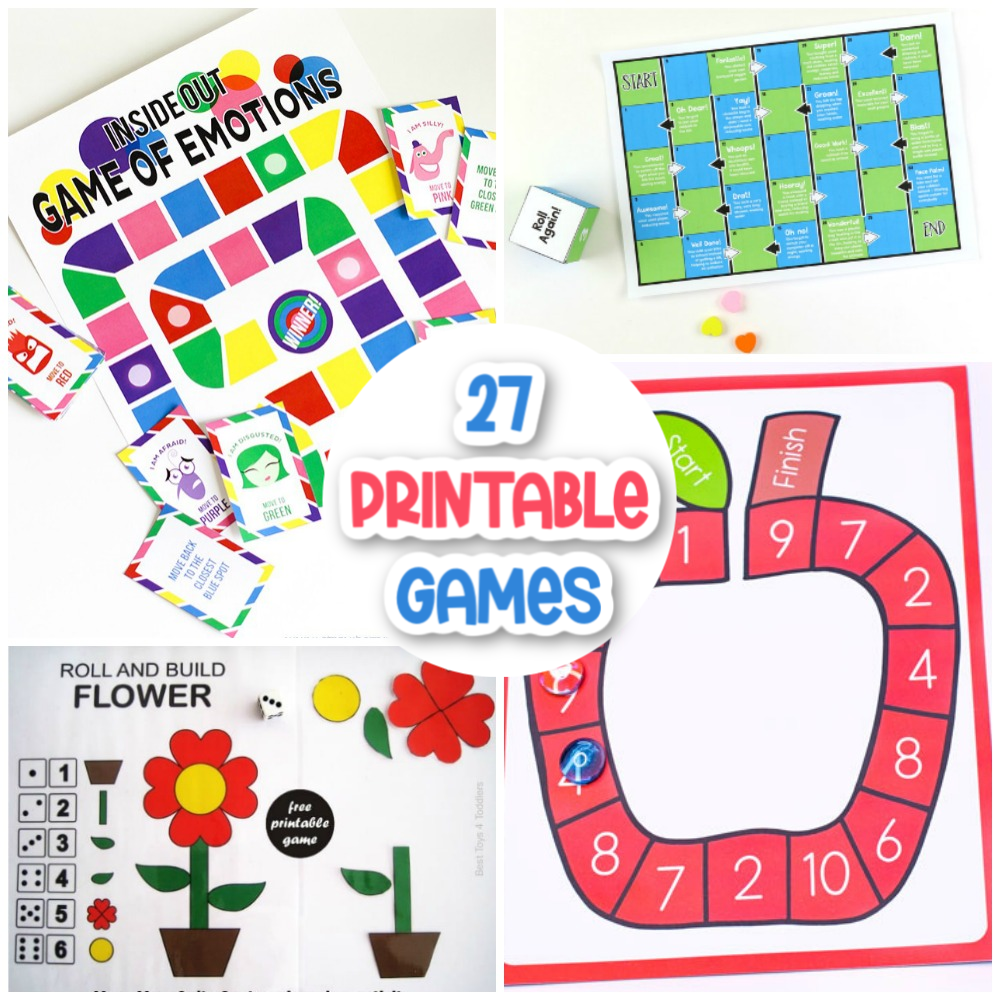
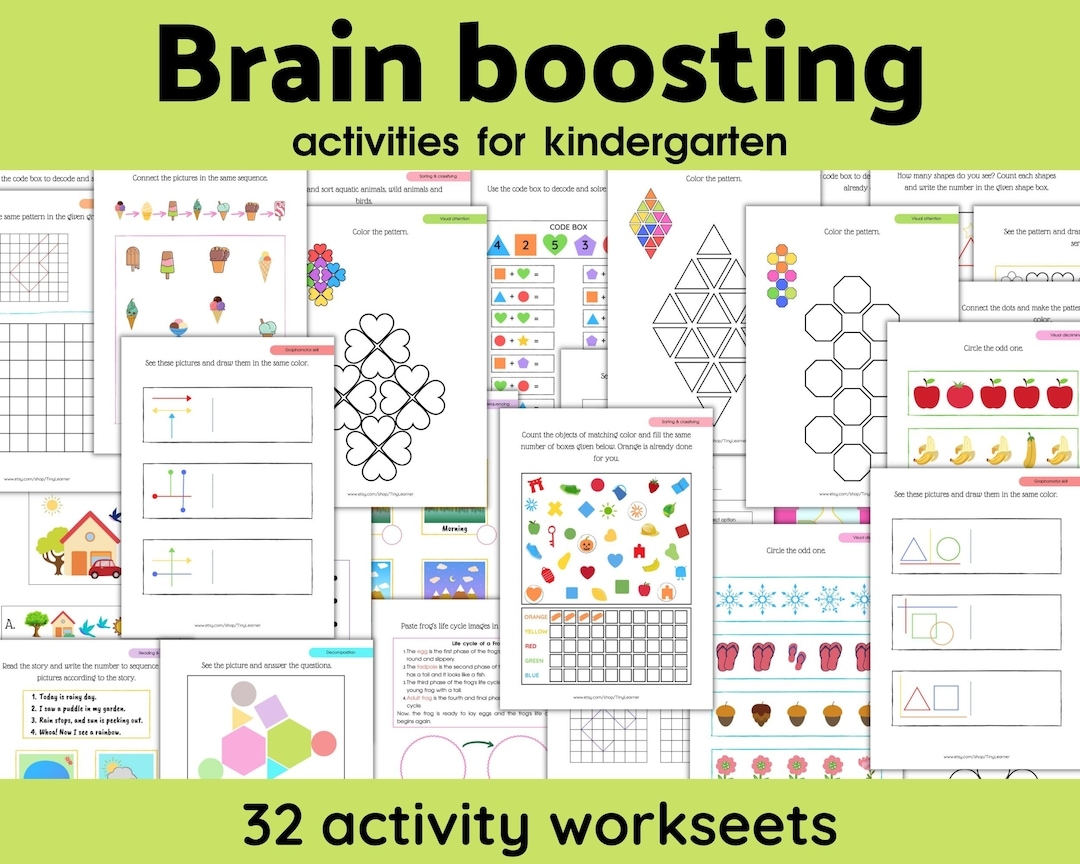
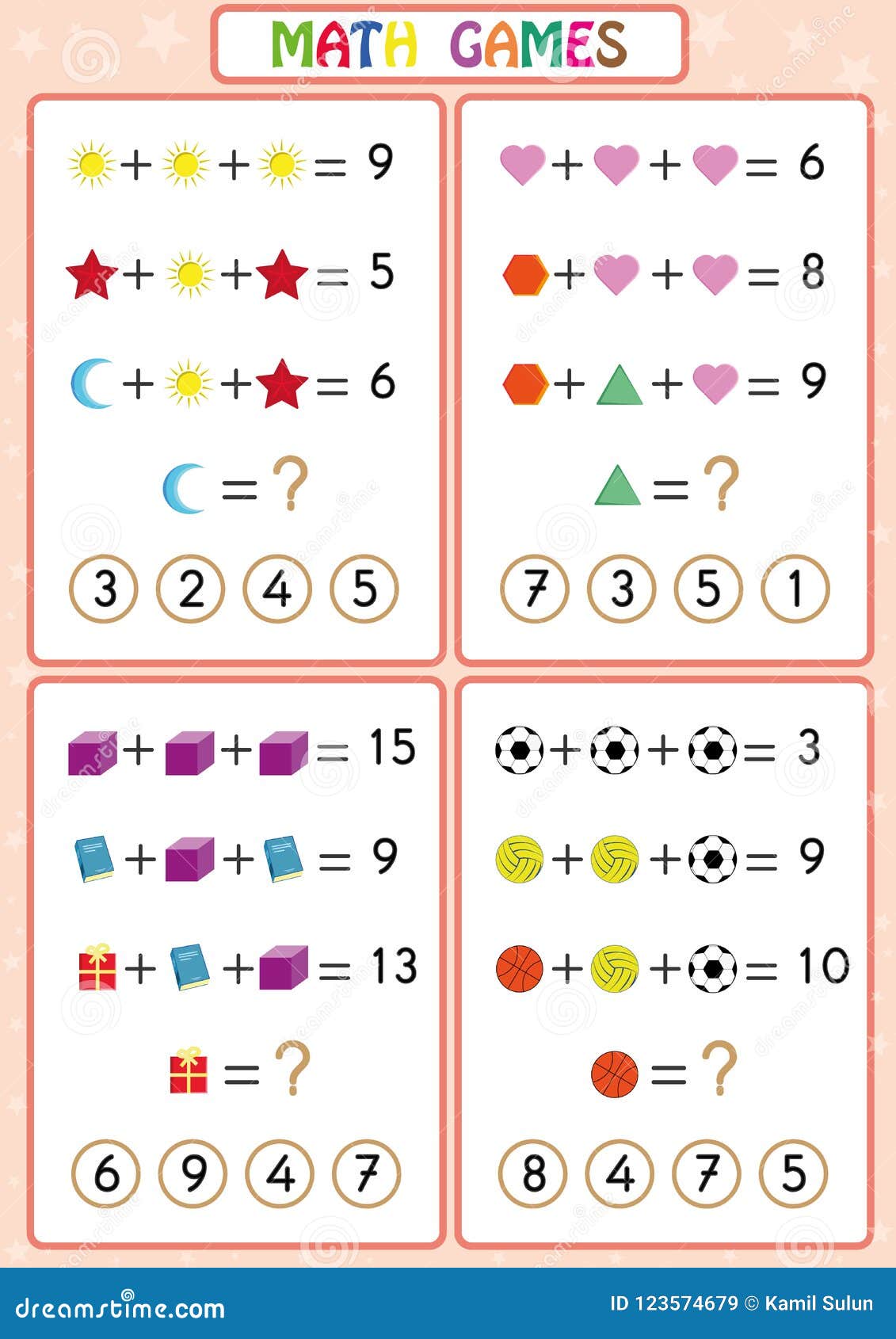
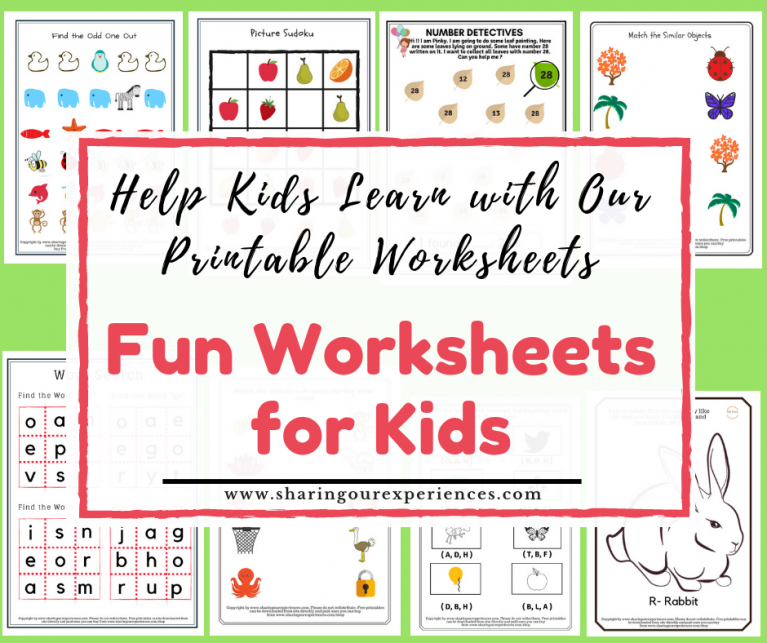
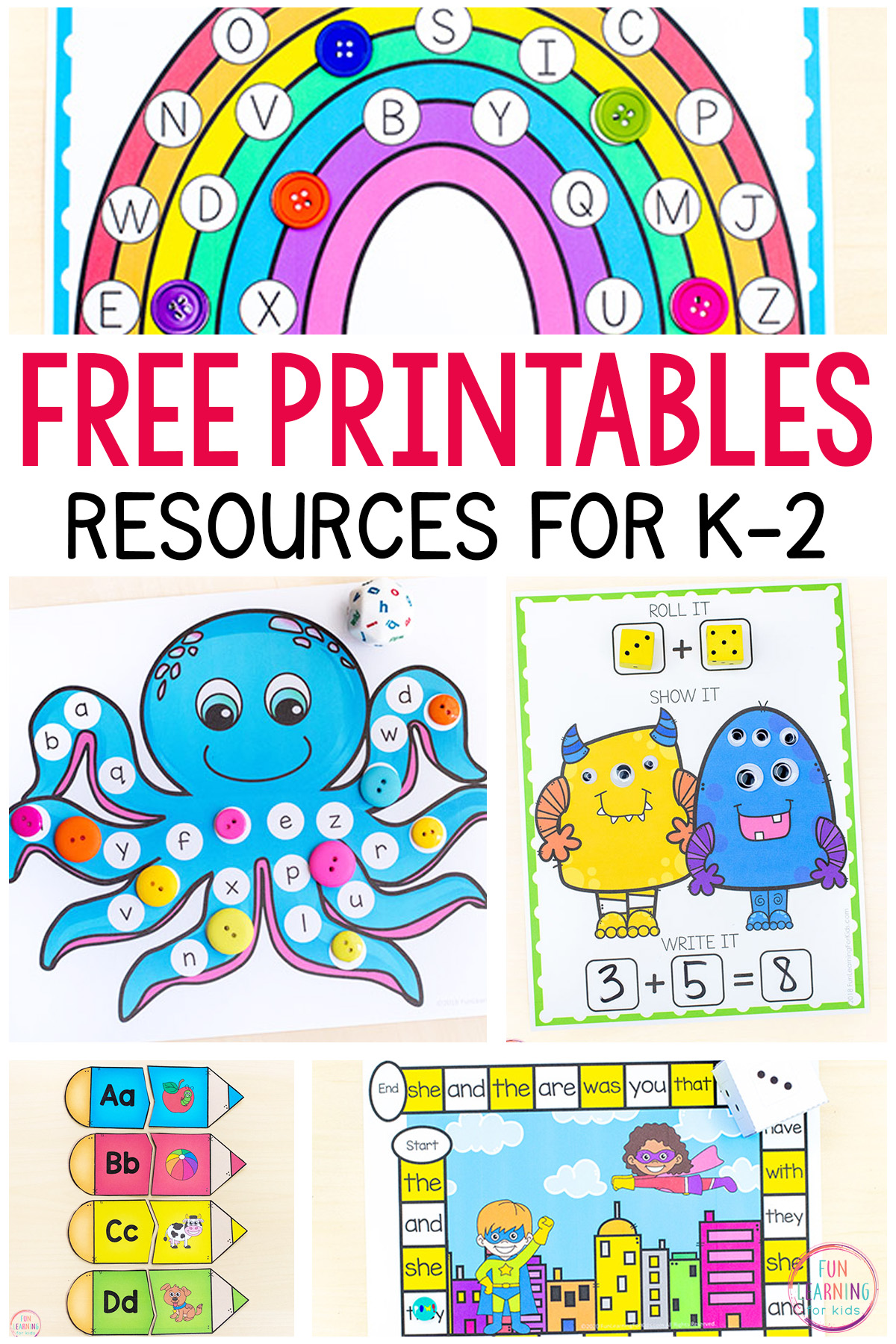
Educational.activities.for.young kids encompass structured visual learning tasks that systematically build spatial reasoning, proportional estimation, and observational accuracy through tangible printables. According to the National Association for the Education of Young Children (NAEYC), purposeful hands-on learning experiences involving direct manipulation of visual media significantly enhance cognitive development and foundational literacy in early childhood. By integrating deliberate observational tools such as printable Grid Drawing worksheets and real-world reference imagery, educators provide children with the foundational scaffolding needed to translate complex visual information into manageable, coordinated motor actions.
Visual Learning & Skill Snapshot:
- Core Focus: Systematic implementation of educational.activities.for.young kids using grid coordinates and high-fidelity photographic references.
- Target Skill: Spatial reasoning, visual discrimination, fine-motor proportion, and observational memory.
- Key Recommendation: Pair photographic stimulus with modular grid lines to transform abstract drawing tasks into concrete, achievable coordinate-matching exercises.
Core Principles and Visual Learning Overview
Structured visual engagement requires a balanced approach between sensory observation and mechanical hand-eye coordination. Educational.activities.for.young kids serve as a critical bridge between abstract artistic concepts and concrete mathematical understanding by utilizing grid systems that break complex shapes into individual coordinate squares. Children learning to parse visual stimuli benefit immensely from high-resolution Photo Flashcards that display authentic textures, lighting, and real-world proportions rather than overly simplified cartoon illustrations. This authenticity trains the juvenile eye to notice subtle gradients, edges, and spatial relationships, accelerating both cognitive maturation and fine motor precision.
Key Specifications and Breakdown
| Age / Learning Stage | Visual Skill & Grid Ratio | Pedagogical Application & Scaffolding |
|---|---|---|
| Ages 3 to 4 (Early Preschool) | 2×2 Grid / High-Contrast Objects | Utilize large-format photo cards to teach basic shape recognition, color identification, and single-cell replication. |
| Ages 5 to 6 (Kindergarten) | 4×4 Grid / Real-World Animals & Objects | Introduce coordinate tracking and proportional line estimation using structured educational.activities.for.young kids. |
| Ages 7 to 8 (Early Elementary) | 6×6 Grid / Complex Scenes & Architecture | Focus on multi-box spatial synthesis, scaling techniques, and independent observation refinement. |
Visual-spatial training through structured grid division directly correlates with enhanced geometric comprehension and early mathematical proficiency in primary learners. — National Art Education Association (NAEA)
Step-by-Step Practical Application and Printing Guidelines
Executing effective visual lessons relies upon precise print preparation and clear developmental sequencing. Educators should print Educational Activities worksheets on heavy cardstock to prevent tearing and ensure that grid lines remain sharp and legible for pencil tracking. Begin the session by displaying the corresponding photographic flashcard, encouraging the learner to identify major focal points before transferring the visual data into the adjacent coordinate box. Instruct the child to isolate individual grid squares using a viewfinder card, thereby minimizing visual overload and teaching systematic scan paths from left to right and top to bottom.
Common Challenges and How to Avoid Them
Frustration during visual tracing sessions typically stems from unmanaged grid complexity or premature expectations regarding proportional accuracy. Adults can eliminate this barrier by scaling down the coordinate matrix for younger participants, replacing dense 8×8 grids with approachable 2×2 or 3×3 frameworks until coordinate tracking becomes intuitive. Furthermore, shifting the objective from producing a flawless replica to celebrating observational effort preserves intrinsic motivation, transforming challenging drawing tasks into rewarding cognitive achievements.
💬 Frequently Asked Questions
Explore More Free Learning Printables and Visual Activities on WePhotoAgency
Empowering young learners with rigorous, engaging, and beautifully designed visual tools requires a dependable library of classroom resources. Discover an extensive collection of printable learning materials, developmental worksheets, and creative guides by visiting the main catalog at WePhotoAgency.com to elevate daily instruction and foster lifelong cognitive growth.
Visual Reference Gallery