Introduction
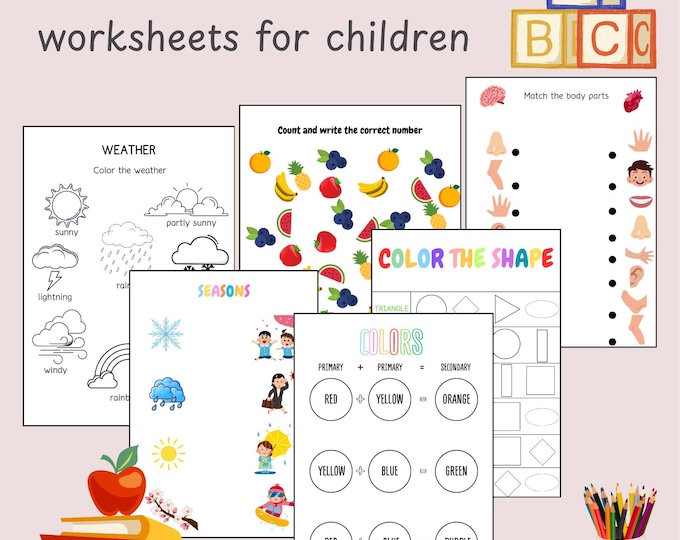
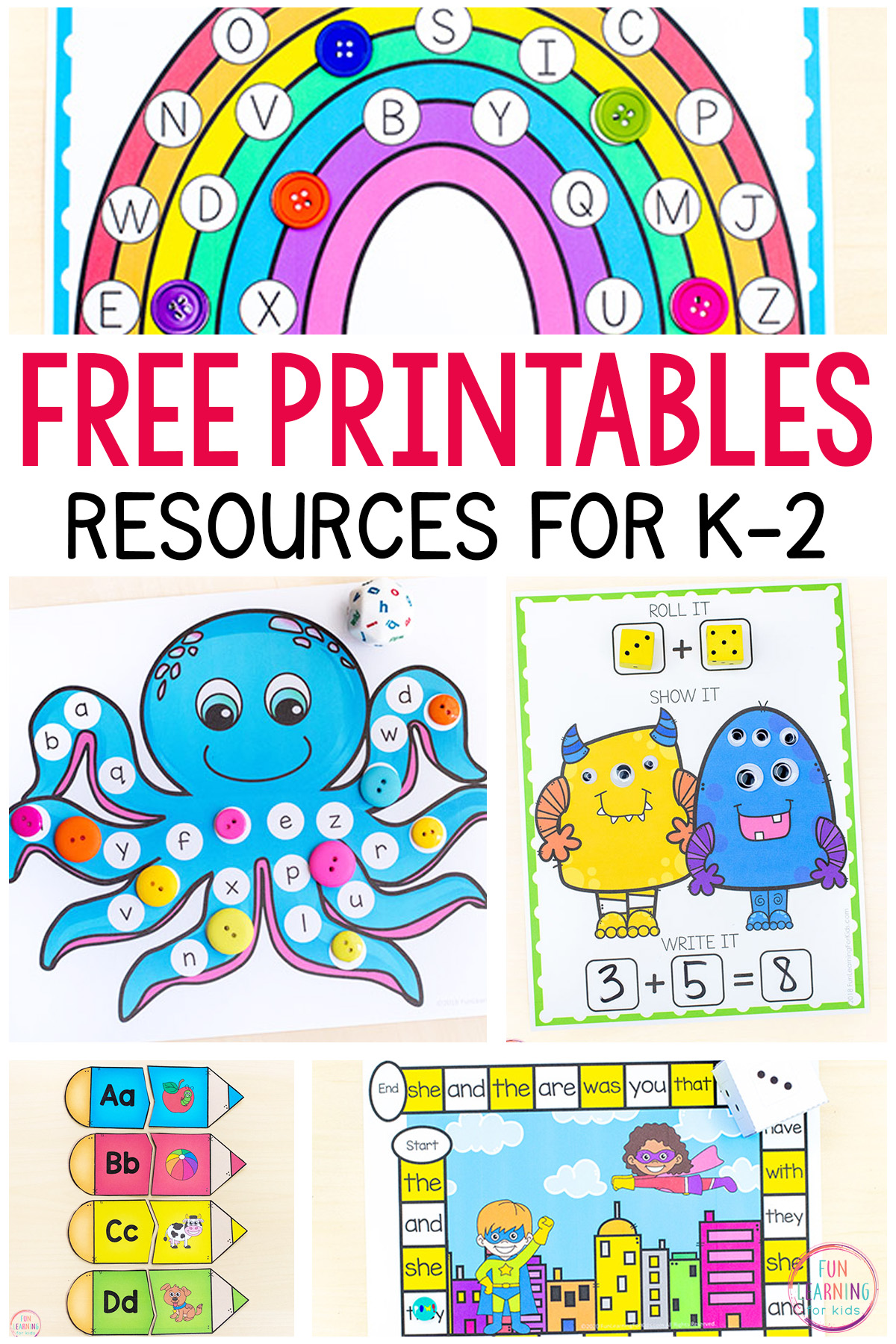
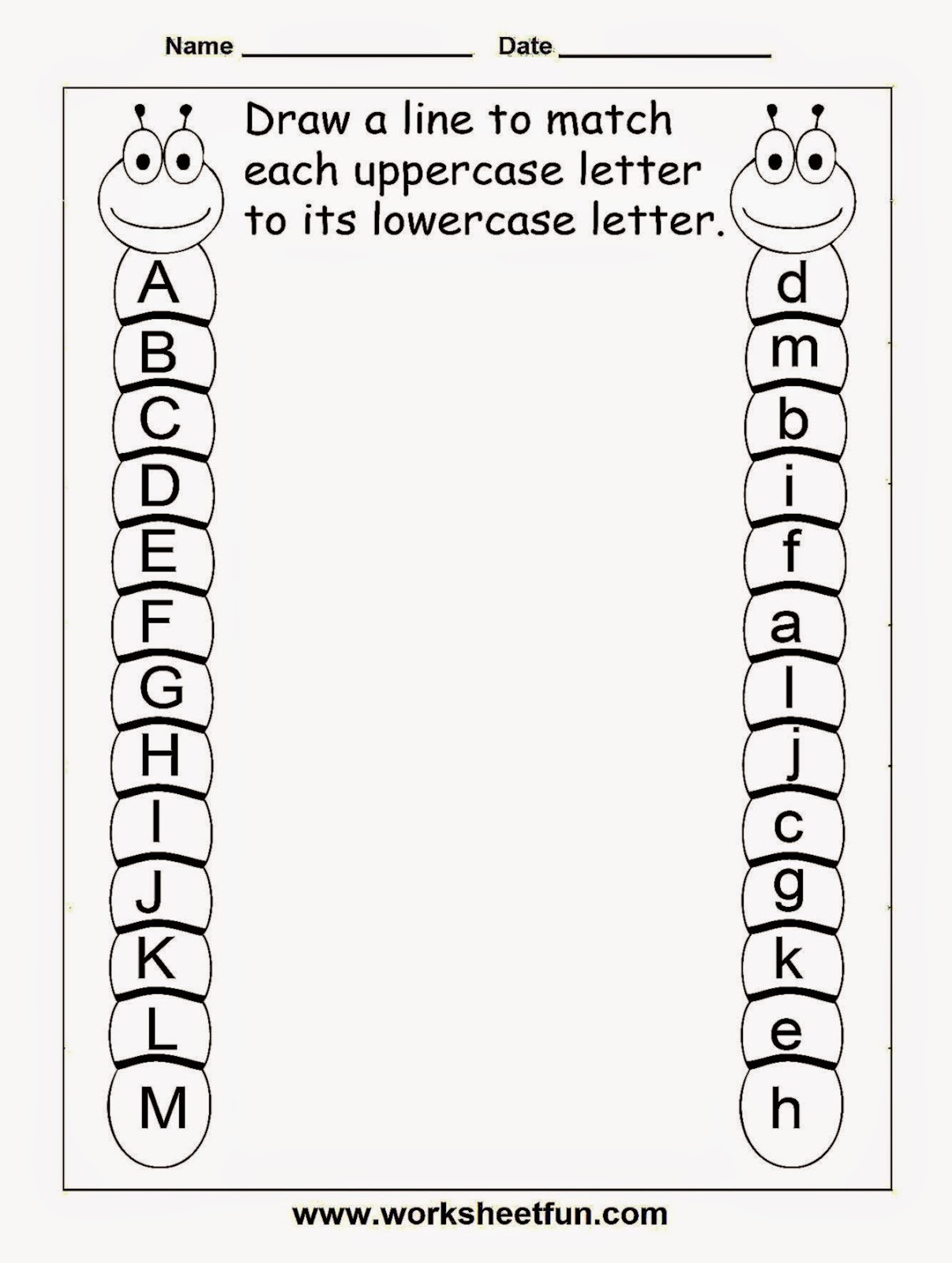
Educational worksheets for kids serve as structured visual tools that bridge foundational cognitive development with tactile motor skills through targeted exercises like printable Grid Drawing and observational tasks. According to the National Association for the Education of Young Children (NAEYC), intentional interaction with structured visual materials significantly enhances spatial awareness, executive function, and early mathematical reasoning in children. Integrating printables featuring authentic photography and geometric reference frameworks provides young learners with concrete anchor points to translate complex visual information into manageable components. These structured learning materials eliminate abstract guesswork by offering scaffolded pathways for children to decode proportions, replicate spatial relationships, and refine hand-eye coordination.
Visual Learning & Skill Snapshot:
- Core Focus: Printable educational worksheets designed to optimize spatial perception and visual analysis.
- Target Skill: Spatial reasoning, visual discrimination, fine-motor proportion estimation, and observation.
- Key Recommendation: Pair structured grid templates with real-life photographic references to bridge concrete and abstract thinking.
Core Principles and Visual Learning Overview
Spatial reasoning and proportion estimation develop systematically when children interact with printables that segment complex imagery into digestible visual coordinates. Utilizing Photo Flashcards alongside segmented drawing guides allows learners to examine real-world textures, lighting, and geometric angles rather than relying on generalized cartoon representations. This practice cultivates critical observation skills by teaching the brain to measure distances, evaluate angles, and transfer visual data across differing scales. Educators and parents leverage these printables to foster sustained concentration, as the grid-based methodology breaks intimidating artistic tasks into achievable, self-correcting segments.
Key Specifications and Breakdown
| Age / Learning Stage | Visual Skill & Grid Ratio | Pedagogical Application & Scaffolding |
|---|---|---|
| Ages 3-4 (Preschool) | 2×2 Grid with Real Photo Prompts | Focuses on basic shape recognition and matching physical objects to printed squares. |
| Ages 5-6 (Early Elementary) | 4×4 Grid with Intermediate Detail | Develops line precision, proportion estimation, and hand-eye coordination using high-contrast references. |
| Ages 7-9 (Advanced Primary) | 6×6 Grid with Complex Photography | Enhances multi-quadrant spatial planning, perspective scaling, and independent error correction. |
Structured visual activities foster critical cognitive mapping by engaging the parietal lobe’s spatial processing centers, directly supporting foundational geometry and reading readiness. — National Art Education Association (NAEA)
Step-by-Step Practical Application and Printing Guidelines
Executing effective visual lessons requires careful preparation of physical media, high-contrast printing, and supportive environmental setups to maximize learner focus. Selecting heavyweight matte cardstock prevents ink bleed-through and withstands frequent erasing during proportion adjustments. Educators should introduce the exercise by displaying the reference image separately, guiding the child to isolate a single grid square at a time to analyze line direction and negative space. Integrating hands-on Educational Activities right after worksheet completion solidifies the spatial concepts explored on paper, ensuring tactile reinforcement of visual lessons.
Common Challenges and How to Avoid Them
Overcoming frustration with scale requires addressing common pitfalls such as rushing through multi-quadrant sketching or attempting to draw the entire image simultaneously. Young learners frequently struggle when reference images lack clear tonal contrast or when grid lines are printed too heavily, obscuring the drawing itself. Instructors can eliminate these roadblocks by encouraging children to use an index card to isolate individual squares, reducing visual clutter and teaching methodical, quadrant-by-quadrant observation.
💬 Frequently Asked Questions
Explore More Free Learning Printables and Visual Activities on WePhotoAgency
Accessing high-quality resources empowers educators, parents, and art specialists to continuously challenge developing minds with structured, engaging printables. Explore the complete collection of visual tools, drawing guides, and developmental resources by visiting WePhotoAgency.com to elevate daily learning environments.
Visual Reference Gallery