Introduction
Educational craft activities for kids systematically bridge tactile artistic creation and rigorous cognitive development through structured visual exercises. According to the National Association for the Education of Young Children (NAEYC), purposeful manipulation of concrete visual materials significantly accelerates spatial reasoning and observational accuracy during early childhood development. Early elementary educators, homeschoolers, and parents frequently utilize these targeted methodologies to foster fine-motor control and analytical thinking.
Visual Learning & Skill Snapshot:
- Core Focus: Bridging observation, motor control, and proportion estimation through structured craft activities.
- Target Skill: Spatial reasoning, visual discrimination, fine-motor proportion, and photo-based concept mastery.
- Key Recommendation: Implement scaffolded grid worksheets alongside real photographic prompts to anchor abstract drawing in concrete reality.
Core Principles and Visual Learning Overview
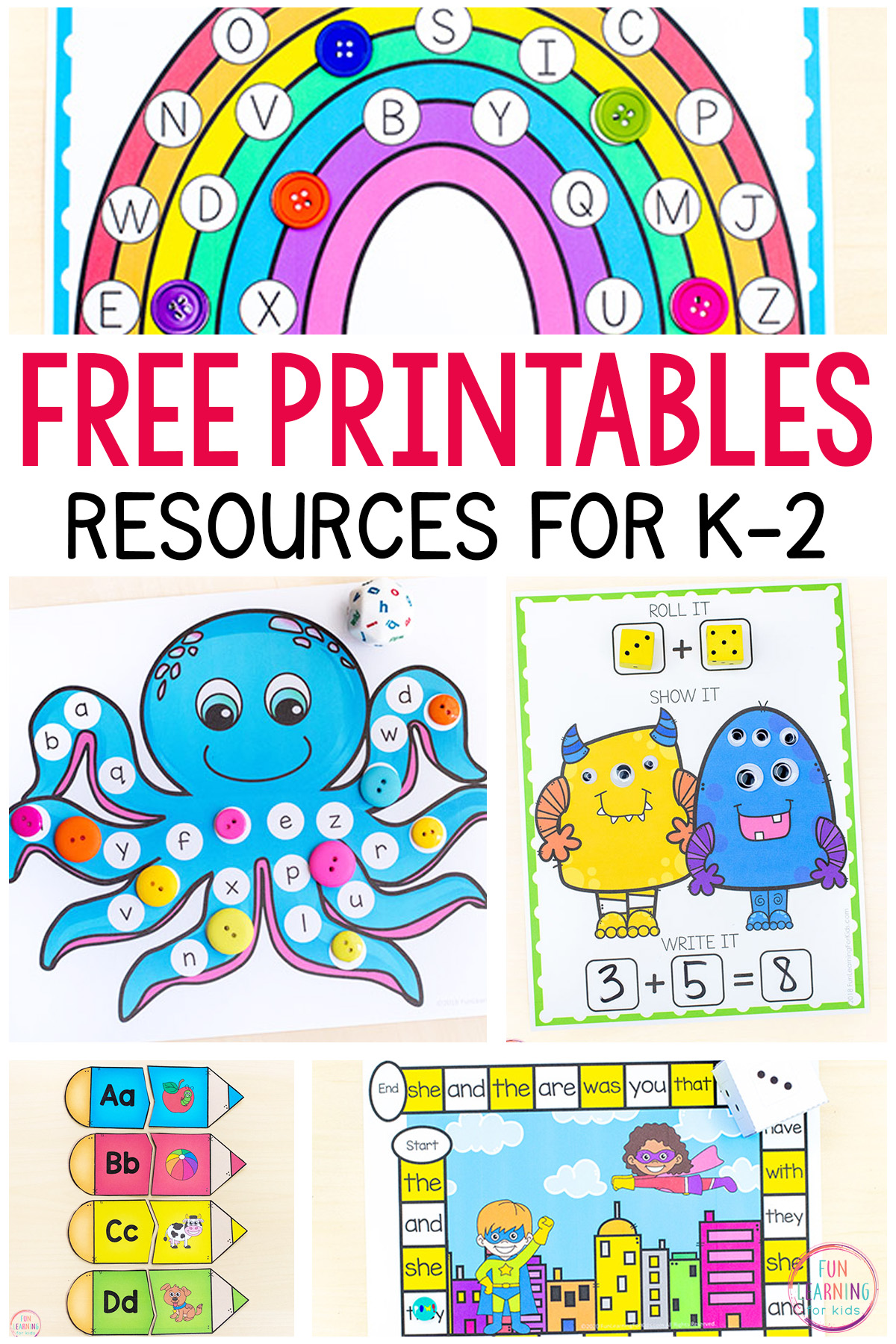
Visual learning during early childhood requires precise cognitive scaffolding that transitions children from holistic viewing to analytical decomposition of shapes, lines, and textures. When integrating printable Grid Drawing worksheets into daily lesson plans, learners break complex photographic subjects into manageable coordinate squares. This process directly strengthens ocular-motor coordination, teaching young artists to judge angles and relative distances accurately. Furthermore, coupling these exercises with high-definition Photo Flashcards ensures that children connect abstract artistic marks to authentic real-world subjects, enhancing both visual literacy and long-term memory retention across multiple subjects.
Key Specifications and Breakdown
| Age / Learning Stage | Visual Skill & Grid Ratio | Pedagogical Application & Scaffolding |
|---|---|---|
| Ages 4-5 (Early Years) | 2×2 Large Grid Arrays | Utilize bold photographic flashcards paired with simplified shapes to build foundational spatial awareness. |
| Ages 6-7 (Early Elementary) | 4×4 Standard Coordinate Grid | Incorporate photographic reference sheets to teach proportion estimation and direct line translation. |
| Ages 8-10 (Advanced Primary) | 6×6 Complex Proportion Grid | Apply detailed real-world photography to challenge fine-motor accuracy and shading techniques. |
Visual-spatial manipulation of structured art worksheets measurably enhances cognitive mapping and geometric problem-solving in children. — National Art Education Association (NAEA)
Step-by-Step Practical Application and Printing Guidelines
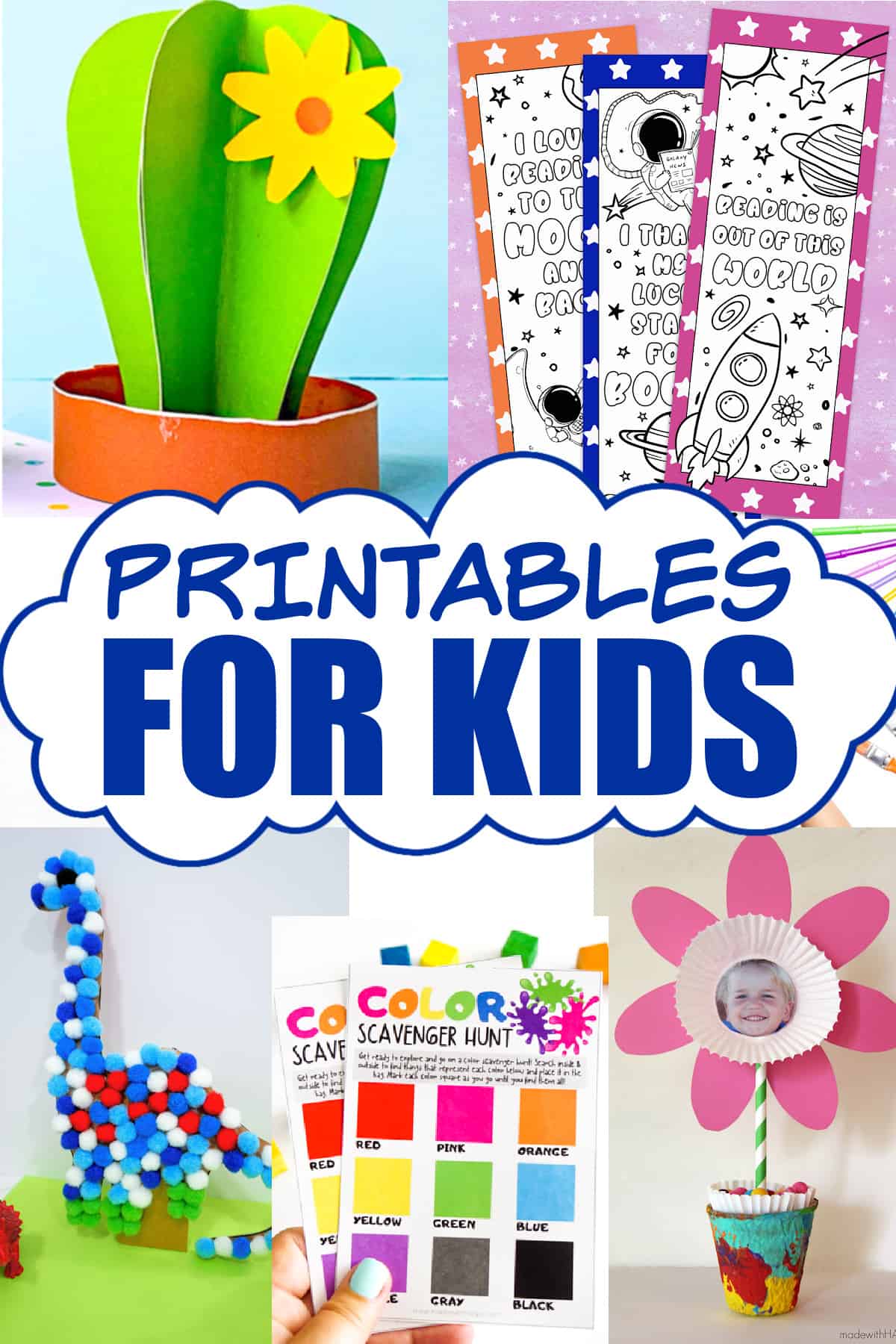
Executing effective visual art lessons relies on crisp, high-contrast printing paired with durable physical manipulation of the materials. Educators should print Educational Activities on heavyweight cardstock to prevent tearing during pencil erasure and marker application. Begin by introducing the reference photograph or flashcard independently, allowing the child to verbally describe the primary shapes observed. Next, place the corresponding coordinate grid directly adjacent to the reference image to minimize eye fatigue during line translation. Instruct young learners to isolate single grid squares sequentially using a masking card, which reduces cognitive overload and dramatically improves accuracy in proportion estimation.
Common Challenges and How to Avoid Them
Overwhelming young learners with overly dense grid arrays or poor-contrast printouts frequently leads to frustration and inaccurate proportion estimation. Instructors can prevent this common obstacle by scaling the grid complexity incrementally, starting with large 2×2 coordinate blocks before advancing to intricate multi-square layouts. Additionally, ensuring that reference images feature clear lighting and distinct object boundaries eliminates ambiguity, allowing children to successfully isolate lines and shapes without educator intervention.
💬 Frequently Asked Questions
Explore More Free Learning Printables and Visual Activities on WePhotoAgency
Empowering young learners with exceptional visual resources ensures lifelong cognitive engagement and artistic confidence in any educational environment. Access an extensive, continually updated collection of professional drawing templates, flashcards, and printable guides by visiting the main hub at WePhotoAgency.com.
Visual Reference Gallery