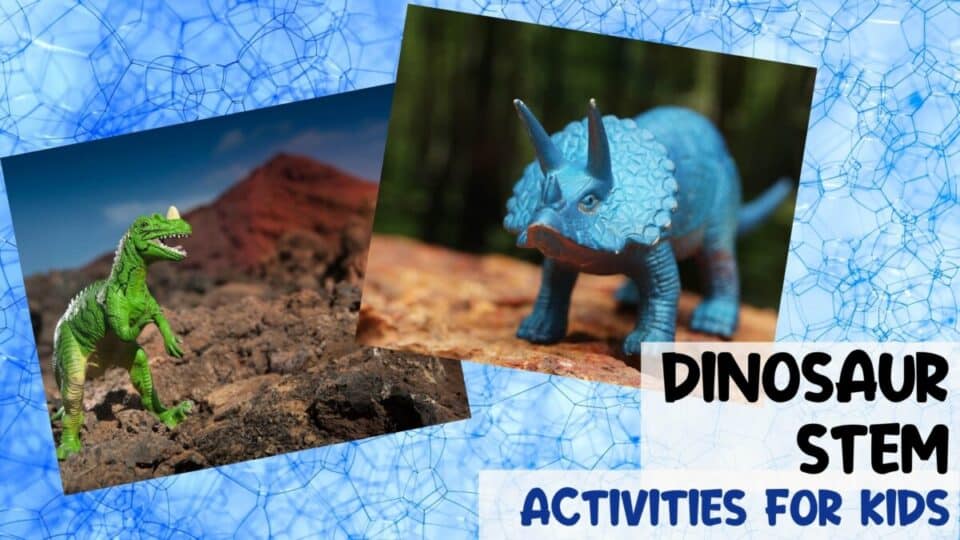
Introduction
Dinosaur stem activities for kids merge paleontology with multidisciplinary science, technology, engineering, and mathematics through structured visual observation and proportional measurement exercises. According to the National Association for the Education of Young Children (NAEYC), integrated arts and STEM experiences promote critical thinking, spatial awareness, and fine-motor control during foundational cognitive development years. Utilizing printable grid templates and photographic references allows young learners to decode complex biological forms systematically, transforming abstract prehistoric concepts into concrete geometric understandings. Incorporating structured Educational Activities into early elementary curricula bridges creative drawing with scientific inquiry, fostering sustained attention and analytical problem-solving.
Visual Learning & Skill Snapshot:
- Core Focus: Integrating paleontology and measurement through dinosaur stem activities for kids.
- Target Skill: Spatial reasoning, visual discrimination, fine-motor proportion, and photo-based concept mastery.
- Key Recommendation: Pair high-contrast photo references with proportional grid ratios to build analytical observation skills.
Core Principles and Visual Learning Overview
Spatial reasoning and proportion estimation develop effectively when children analyze real biological subjects broken down into manageable coordinate systems. Dinosaur stem activities for kids leverage authentic anatomical imagery rather than cartoon interpretations, ensuring learners build accurate mental schemas of skeletal structures, scale, and environmental adaptation. By translating photographic details across coordinate blocks, children practice breaking complex visual data into simpler geometric components. This observational method strengthens hand-eye coordination, enhances visual-spatial memory, and lays a robust foundation for advanced mathematical graphing and engineering design principles later in life.
Key Specifications and Breakdown
| Age / Learning Stage | Visual Skill & Grid Ratio | Pedagogical Application & Scaffolding |
|---|---|---|
| Ages 4-5 (Early Explorers) | 2×2 or 3×3 simple grid blocks | Utilize bold photo references of robust dinosaurs like Triceratops to build basic coordinate tracking. |
| Ages 6-7 (Early Elementary) | 4×4 intermediate coordinate grid | Incorporate anatomical Photo Flashcards to practice bilateral symmetry and scale estimation. |
| Ages 8-9 (Advanced Beginners) | 6×6 detailed precision matrix | Apply advanced Grid Drawing techniques focusing on intricate skeletal joints and posture accuracy. |
Early visual-spatial integration directly correlates with future mathematical proficiency and geometric comprehension in primary education settings. — National Art Education Association (NAEA)
Step-by-Step Practical Application and Printing Guidelines
Executing successful paleontology-based design lessons requires high-resolution printing, durable paper stock, and proper lighting to minimize visual strain during close observation. Educators should begin by selecting authentic reference sheets that display clear lighting and high contrast between the subject and background. Fasten both the reference print and the blank grid worksheet to a stable wooden drawing board using low-tack clips to prevent shifting while the child draws. Instruct learners to isolate one grid square at a time, checking coordinate intersections before committing pencil lines. This methodical procedure prevents overwhelming cognitive load and encourages methodical error-checking throughout the design process.
Common Challenges and How to Avoid Them
Young learners frequently struggle with scale distortion and visual crowding when transferring complex organic shapes across multi-square coordinate maps. To counteract frustration, adult facilitators should introduce simplified silhouette outlines before transitioning children to high-detail skeletal structures. If a child becomes overwhelmed by a dense grid layout, masking off surrounding squares with a blank index card isolates the active working area and restores focus. Emphasizing process over perfection ensures that children view proportion errors as natural measurement data rather than drawing failures, reinforcing a resilient scientific mindset.
💬 Frequently Asked Questions
Explore More Free Learning Printables and Visual Activities on WePhotoAgency
Empowering early childhood learners with engaging, scientifically accurate resources transforms standard lessons into memorable multidisciplinary adventures. Educators, homeschoolers, and parents can access a comprehensive collection of downloadable visual aids, coordinate worksheets, and creative learning assets by visiting WePhotoAgency.com to elevate everyday curriculum planning.
Visual Reference Gallery